Wildfire smoke disrupts sleep by inflaming your airways and fragmenting your rest — and for people with sleep apnea, it can make nighttime breathing noticeably worse. The good news: a few practical steps can protect your indoor air and your sleep during smoke season.
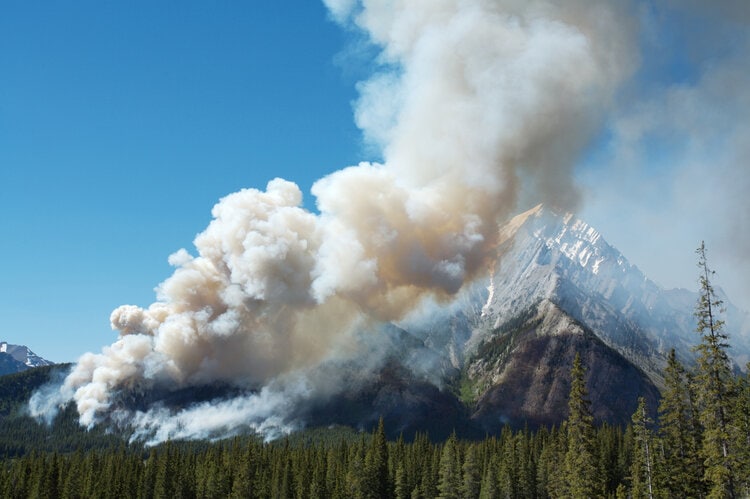
Across British Columbia and Alberta, wildfire smoke has become a regular part of the summer, often lingering for days or weeks at a time. Even when the sky looks clear and you can’t smell smoke, air quality can still be poor. Here’s how smoke affects your sleep, who’s most at risk, and what you can do — especially if you use CPAP.
How Wildfires Can Affect Your Sleep
Wildfire smoke isn’t just “dirty air.” It’s a mix of gases and fine particulate matter known as PM2.5 — particles small enough to slip past your nose and throat, settle deep in your lungs, and even pass into your bloodstream. Some research suggests wildfire-sourced PM2.5 may be more irritating to the airways than particle pollution from other sources, which is part of why smoke season hits so hard even on “moderate” air-quality days.
For sleep specifically, three things happen:
Your airways get inflamed. Smoke irritates the lining of your nose and upper airway, narrowing the passages and raising airflow resistance. That means more congestion, more coughing, and often more snoring.
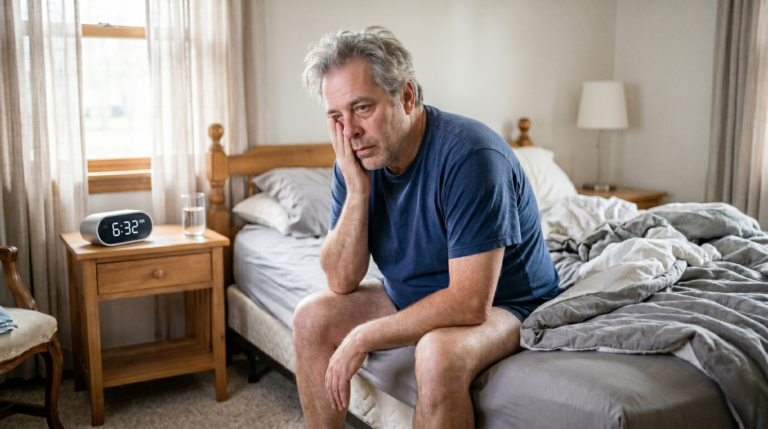
Your sleep gets fragmented. Airway irritation triggers brief awakenings — micro-arousals — that you may never consciously remember. The result is lighter, more broken sleep, so you wake up unrefreshed even after a full night in bed. Studies link higher PM2.5 levels to taking longer to fall asleep, more nighttime awakenings, and reduced overall sleep efficiency.
Existing breathing problems get worse. For people with asthma, COPD, allergies, or obstructive sleep apnea, the added airway resistance can meaningfully worsen nighttime breathing.
On top of the physical effects, smoke season is stressful. Poor air quality, evacuation worries, and days spent indoors can raise anxiety and low mood, which make it harder to fall and stay asleep — compounding the fatigue.
Who’s Most at Risk From Wildfire Smoke
Everyone is affected by wildfire smoke, but some people face greater health risks and should take extra precautions:
- People with existing lung conditions (asthma, COPD)
- People with heart conditions
- People with obstructive sleep apnea
- Older adults
- Infants and children
- People who are pregnant
If you’re in a higher-risk group, it’s worth planning ahead before smoke season rather than reacting once the air turns. Watch for symptoms like chest pain, heart palpitations, shortness of breath, or difficulty breathing, and talk with your healthcare provider in advance about a plan for smoky periods.
Check the Air Quality Health Index (AQHI)
In Canada, the clearest way to know when to take action is the Air Quality Health Index (AQHI) — a scale from 1 to 10+ from Environment and Climate Change Canada. The higher the number, the greater the health risk. During wildfire smoke events, the AQHI is updated hourly based on PM2.5, and a value of 10+ signals a very high health risk.
Air quality can change quickly through the day, so check it more than once — especially before going outside. You can monitor it through the free WeatherCAN or AQHI Canada apps, or your local air-quality alerts. Remember: air can be unhealthy even when you can’t see or smell smoke.
Tips for Better Sleep During Smoke Season
Keep windows and doors closed. Sealing your home keeps outdoor particles out. If you have air conditioning, run it in recirculation mode rather than pulling in outside air. Open up again to bring in fresh air only once outdoor conditions improve.
Use an air purifier with a HEPA filter. A portable air purifier with a true HEPA filter in the room where you sleep makes a real difference in indoor air quality. Avoid purifiers that produce ozone. If you have a central HVAC system, use the highest-rated MERV filter your system can handle and set the fan to circulate continuously.
Create a clean-air bedroom. Since you spend roughly a third of your day sleeping, prioritizing the bedroom gives you the biggest return. Keeping that one room as clean as possible helps protect the hours that matter most for recovery.
Limit outdoor exposure. Reduce or reschedule strenuous outdoor activity when the AQHI is high — this matters most if you’re in a higher-risk group. Because untreated or aggravated sleep apnea symptoms can worsen with smoke, minimizing exposure protects both your daytime and nighttime breathing.
Stay cool and steady. If heat and smoke overlap, keeping cool still matters. If it’s too hot to keep windows closed and you don’t have air conditioning, a public space with clean, cooled air — a library, mall, or community centre — can be a good option during the worst hours.
A Note for CPAP Users
If you use CPAP for sleep apnea, smoke season calls for a little extra attention so your therapy keeps delivering clean, comfortable air:
Check and replace your filters more often. CPAP machines pull in room air, so during smoky periods your filters can clog faster. Check them more frequently than usual and replace disposable filters when they look dirty — follow your machine manufacturer’s guidance on type and timing. Replacement filters are available through any Snore MD clinic.
Keep your machine away from open windows and doors. Position it where it’s drawing the cleanest indoor air possible.
Run your CPAP in a filtered room. Using your machine in the same room as your air purifier helps ensure the air it delivers is as clean as it can be.
Don’t stop your therapy. If smoke is making your breathing feel worse, that’s usually a reason to keep using CPAP consistently, not to pause it. If you’re having persistent comfort issues, reach out to your clinic.
CPAP therapy | CPAP filters and supplies
When to Get Your Sleep Checked
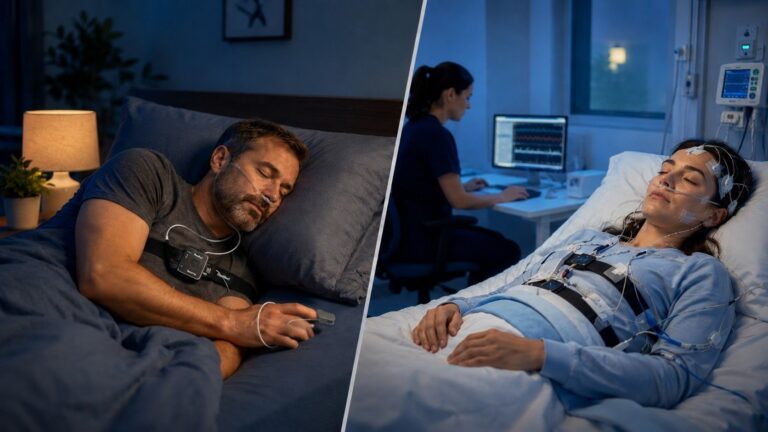
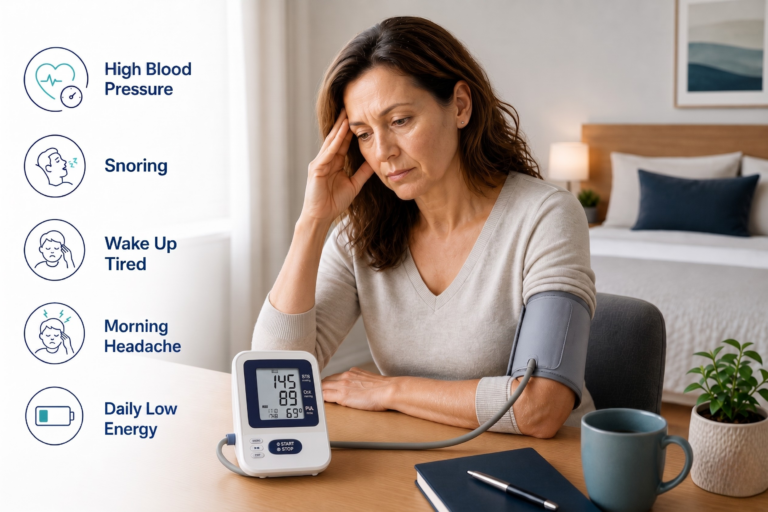
If smoke season leaves you snoring more, waking through the night, or feeling exhausted despite a full night in bed, it may be worth finding out whether sleep apnea is part of the picture. A home sleep test can measure what’s happening while you sleep — including your breathing, oxygen levels, and heart rate — and the results can be reviewed with a Snore MD clinic team. (Note: a doctor’s referral is required to book a sleep test; if you don’t have a family doctor, Snore MD can arrange a consultation with an online physician through our virtual program.)
Concerned about your sleep or breathing?