Signs and Symptoms of Sleep Apnea

Signs and Symptoms of Sleep Apnea

Signs and Symptoms of Sleep Apnea: When to Get Tested

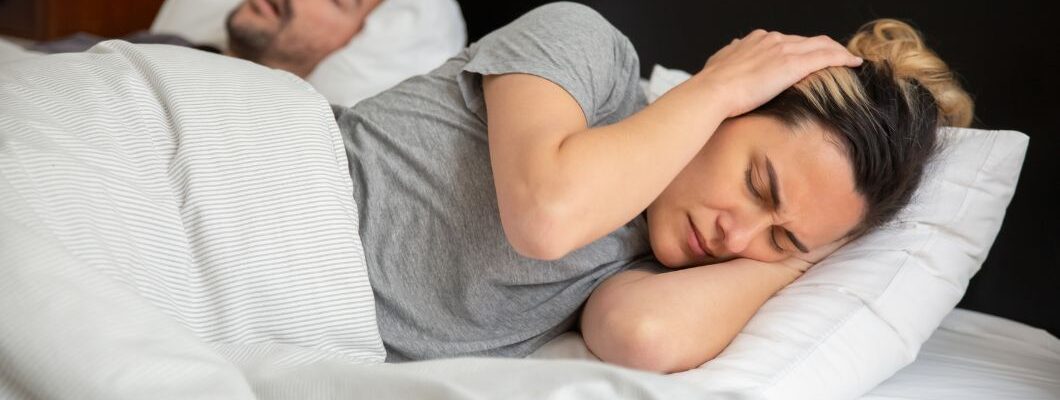
Many people think snoring is harmless. But when snoring is combined with daytime fatigue, morning headaches, trouble concentrating, or pauses in breathing during sleep, it may be a sign of obstructive sleep apnea.

The most common signs of sleep apnea include loud snoring, excessive daytime tiredness, waking up gasping, morning headaches, brain fog, and observed breathing interruptions during sleep. If you have several of these symptoms, a sleep apnea test may help determine whether disrupted breathing is affecting your sleep.

Because symptoms often develop gradually, many people live with sleep apnea for years before getting diagnosed.

Think these symptoms sound familiar?

What Is Sleep Apnea?

Obstructive sleep apnea, often called OSA, is a common sleep disorder that causes breathing to repeatedly stop and start during sleep.

It happens when the muscles and tissues in the throat relax too much, narrowing or blocking the airway. When airflow is reduced, oxygen levels can drop and the brain briefly wakes the body to restart breathing. These awakenings are often so short that people do not remember them, but they can seriously affect sleep quality.

Over time, untreated sleep apnea may affect energy levels, concentration, mood, cardiovascular health, and overall quality of life.

Common Signs and Symptoms of Sleep Apnea

Snore MD Snoring Sleep Apnea Sleep Test march 2026
5

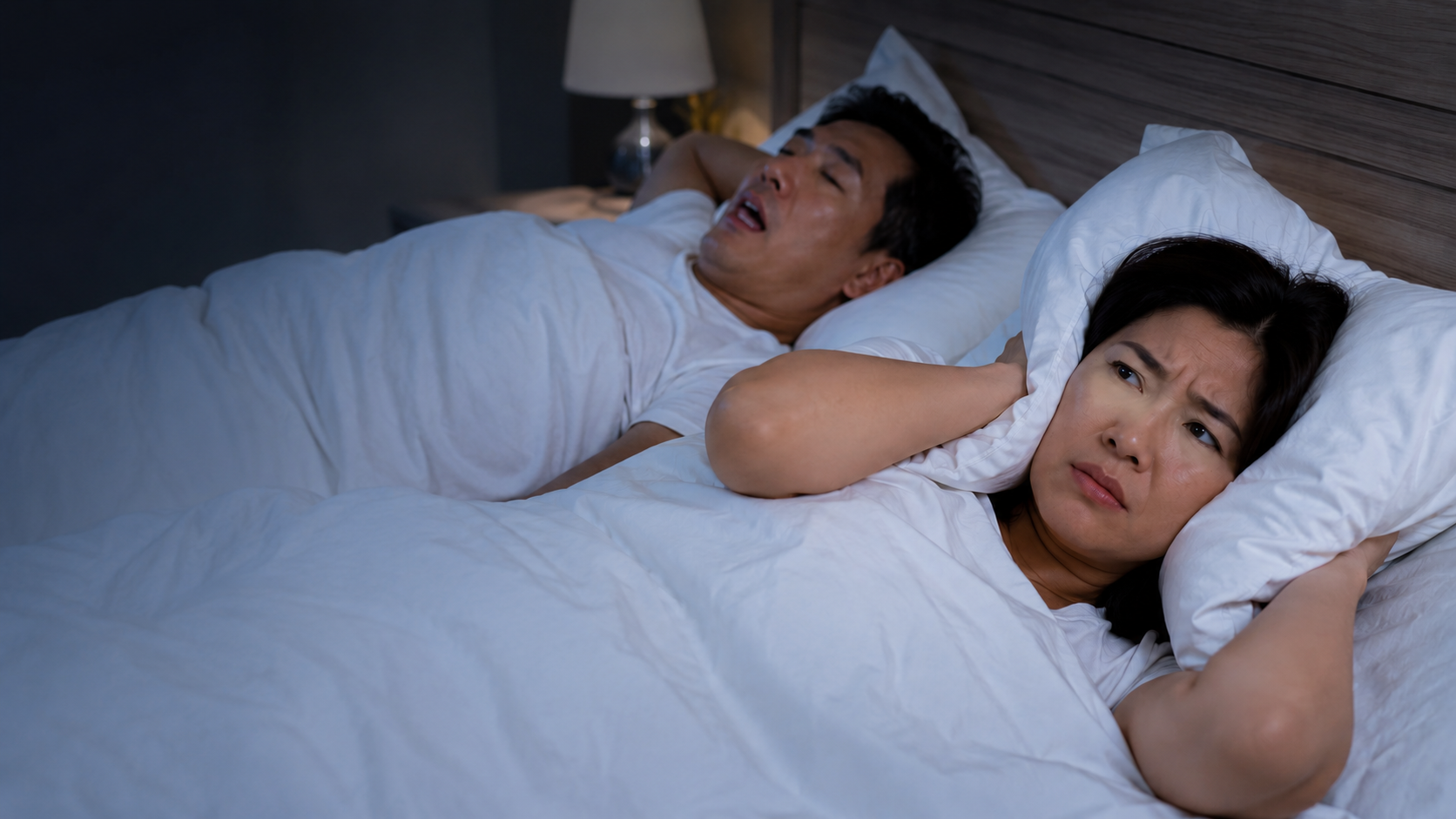
Loud, Frequent Snoring

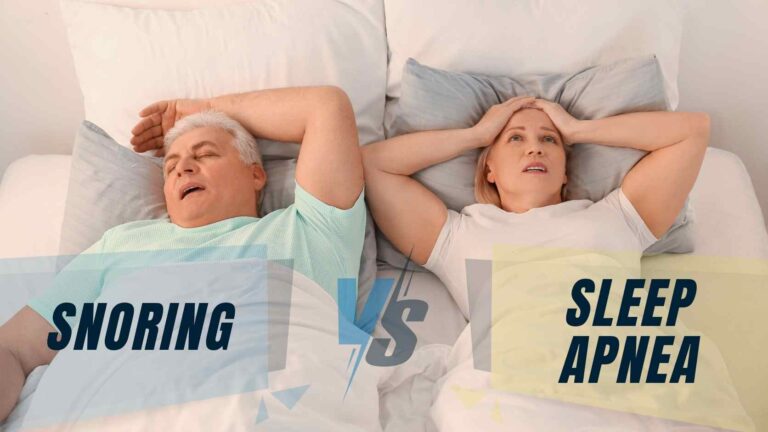
Loud, chronic snoring is one of the most common signs of sleep apnea. Not everyone who snores has sleep apnea, but regular snoring can be a sign that airflow is becoming restricted during sleep.

Snoring may be more concerning if it:

  • Happens most nights

  • Is loud enough to disturb others

  • Includes gasping sounds

  • Is followed by noticeable pauses in breathing
5

Pauses in Breathing During Sleep

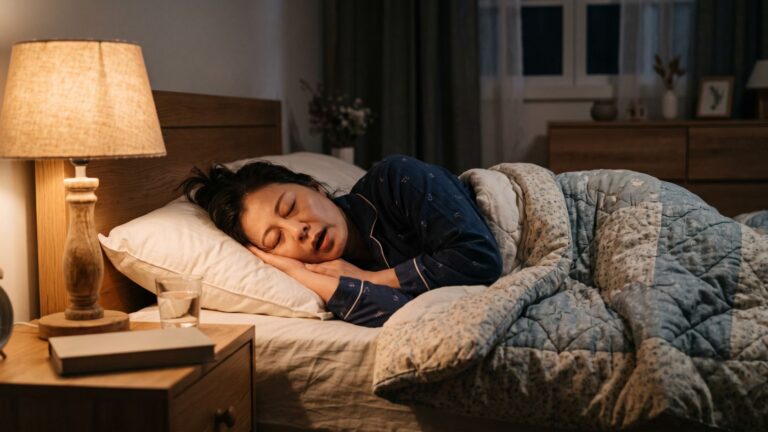
One of the clearest warning signs of sleep apnea is when someone notices that you stop breathing briefly while sleeping.

Many people do not realize this is happening until a bed partner or family member points it out. These pauses may be followed by snorting, choking, or a sudden gasp as breathing restarts.

Observed breathing interruptions are a strong reason to consider a sleep assessment.
Waking up gasping or feeling unrefreshed?
Gasping for air

Waking Up Gasping or Choking

Have you ever woken up suddenly feeling like you could not breathe?

Waking up gasping, choking, or short of breath can happen when the airway becomes temporarily blocked during sleep.

Even if these episodes only happen occasionally, they may be a sign of sleep-disordered breathing, especially when combined with snoring or daytime fatigue.
7

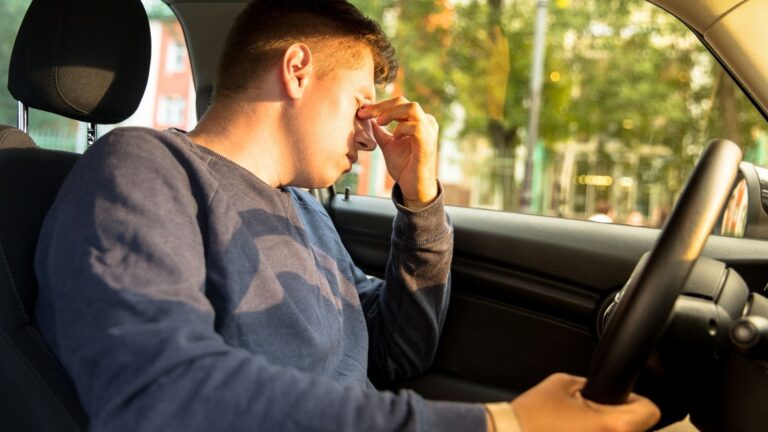
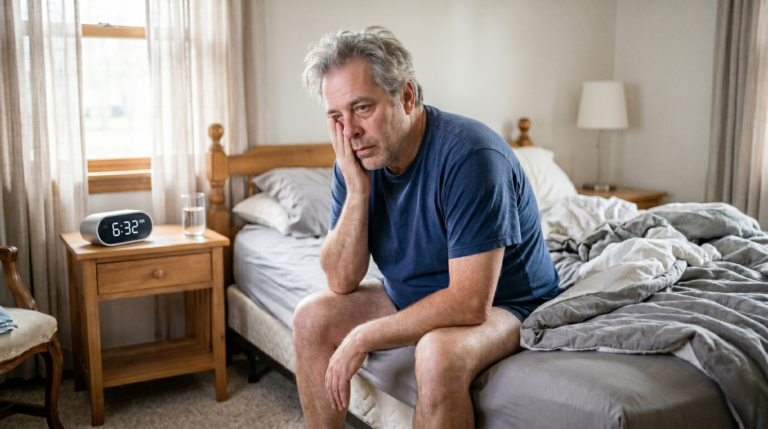
Excessive Daytime Fatigue

Excessive daytime fatigue is one of the most common symptoms of sleep apnea. Repeated breathing interruptions can disrupt restorative sleep, leaving you feeling:

  • Exhausted during the day
  • Low on energy
  • Less alert or productive
  • Unrefreshed after sleeping
Many people blame these symptoms on stress, aging, or a busy schedule when poor-quality sleep may be contributing.
8

Morning Headaches

Frequent morning headaches may also be a sign of sleep apnea.

Changes in oxygen levels and repeated sleep disruption through the night can contribute to headaches upon waking.

Sleep apnea-related headaches often:

  • Happen shortly after waking up
  • Improve as the day goes on
  • Occur regularly rather than once in a while

9

Brain Fog and Trouble Concentrating

Poor sleep affects more than energy levels. People with sleep apnea often report:
  • Difficulty concentrating
  • Forgetfulness
  • Brain fog
  • Reduced mental performance
  • Irritability
  • Trouble making decisions
When sleep is disrupted night after night, focus and mood can suffer.
10

Frequent Nighttime Awakenings or Restless Sleep

Many people with sleep apnea do not realize how often they are waking during the night.

You may notice:

  • Restless sleep
  • Frequent awakenings
  • Tossing and turning
  • Difficulty staying asleep feeling like you barely slept.
Even short awakenings can interfere with restorative sleep and leave you feeling tired the next day.
11

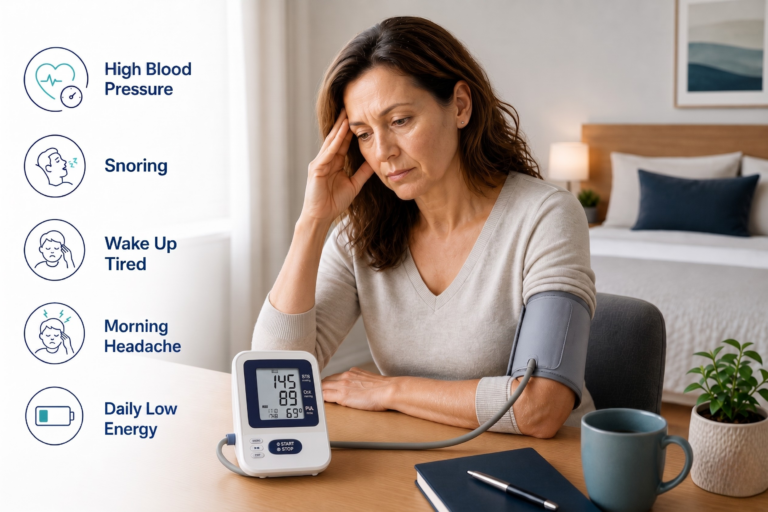
High Blood Pressure and Other Health Concerns

Sleep apnea does not just affect sleep. Over time, it may also affect long-term health. Untreated sleep apnea has been linked to:
  • High blood pressure
  • Heart disease
  • Type 2 diabetes
  • Mood changes
  • Reduced quality of life
For many people, investigating sleep quality becomes an important part of improving their overall health.
Quick Answer: Is snoring always a sign of sleep apnea?

No. Many people snore without having sleep apnea. But loud snoring combined with fatigue, headaches, or breathing pauses should not be ignored.


When Should You Get Tested for Sleep Apnea?

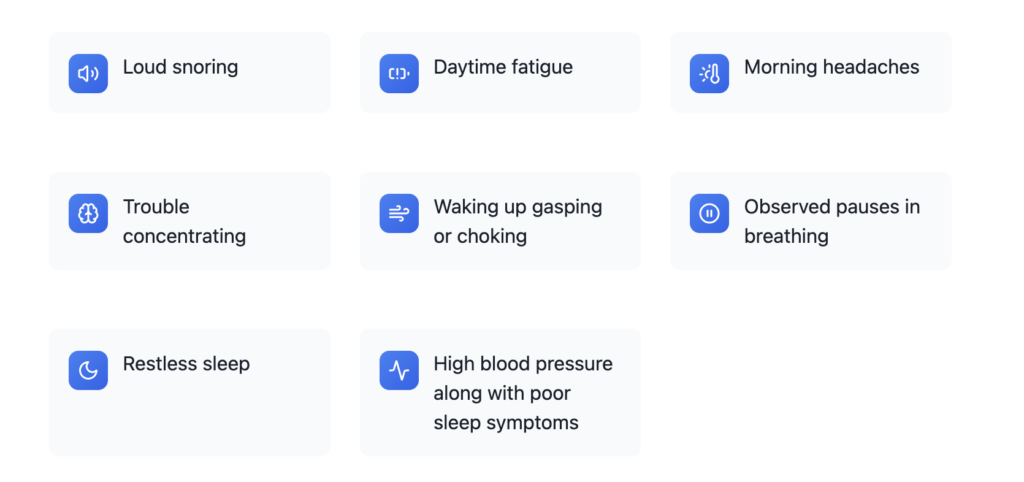
You may want to consider a sleep apnea test if you regularly experience more than one of the following:

loud snoring daytime fatigue morning headaches trouble concentrating waking up gasping or choking observed pauses in breathing restless sleep high blood pressure along with poor sleep symptoms

The more of these symptoms you have, the more important it may be to find out whether sleep apnea is contributing.

Not sure whether it is time to get tested?

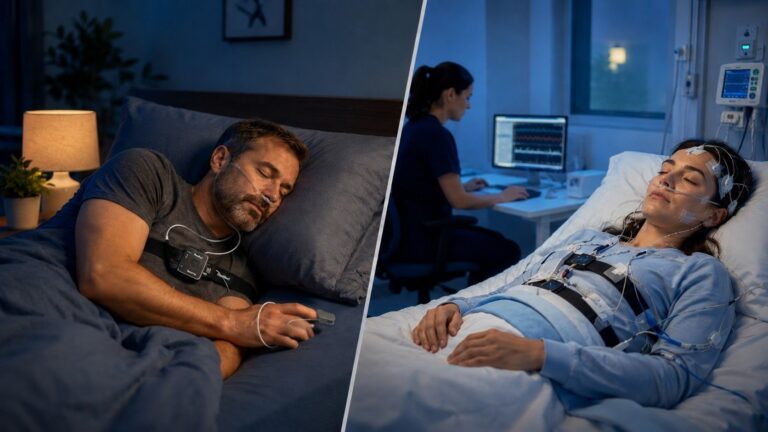
Explore at-home sleep apnea testing to see how the process works.

Can You Test for Sleep Apnea at Home?

In many cases, yes.

A sleep apnea test can help determine whether your symptoms are related to sleep-disordered breathing. Testing may provide information about:

  • Breathing patterns during sleep
  • Oxygen levels
  • Airflow interruptions
  • Possible signs of obstructive sleep apnea

Many patients are surprised to learn that testing can often be completed from the comfort of home.

Sleep Apnea Testing in British Columbia and Alberta

If you are dealing with symptoms such as loud snoring, daytime fatigue, morning headaches, or breathing interruptions during sleep, getting answers may be easier than you think.

Snore MD provides sleep assessments, testing, treatment options, and ongoing support through clinics across British Columbia and Alberta. For many patients, the next step is simply understanding whether their symptoms may be related to sleep apnea and whether a sleep test is appropriate.

The first step is typically a sleep assessment, which helps determine whether further testing is appropriate and what referral pathway may be required.

Sleep Apnea Symptoms: Quick Answers

What are the first signs of sleep apnea?

Early signs of sleep apnea often include loud snoring, daytime fatigue, waking up unrefreshed, morning headaches, and observed pauses in breathing during sleep.


How do I know if I need a sleep apnea test?

You should consider a sleep apnea test if you regularly snore, feel tired despite a full night of sleep, wake up gasping, or have been told that you stop breathing during sleep.


Can sleep apnea cause morning headaches?

Yes. Some people with sleep apnea experience recurring morning headaches related to changes in oxygen levels and disrupted sleep.


Why am I tired after a full night’s sleep?

If your breathing is being interrupted during the night, you may not be reaching the restorative stages of sleep your body needs. Sleep apnea is one possible reason for feeling tired even after spending enough time in bed.

How Sleep Apnea is Diagnosed in Western Canada

Across British Columbia and Alberta, the standard initial medical evaluation involves a Home Sleep Apnea Test (HSAT). This is a simple, non-invasive diagnostic test that you take home and wear while sleeping in your own bed. It measures your heart rate, oxygen levels, and breathing effort to give clinicians a clear picture of what is happening to your body overnight.

Take the Next Step

Ignoring sleep apnea symptoms can affect more than your sleep. It can affect your energy, focus, health, and quality of life.

If you have noticed loud snoring, fatigue, morning headaches, or breathing interruptions during sleep, it may be time to get answers.

Book Your Sleep Test

Or find a clinic near you

Frequently Asked Questions

Common warning signs include loud snoring, observed pauses in breathing, waking up gasping, excessive daytime tiredness, morning headaches, and trouble concentrating.

No. Snoring does not always mean you have sleep apnea. But if snoring is frequent and paired with fatigue, headaches, or breathing interruptions, it may be worth getting assessed.


Yes. Many people are unaware that they stop breathing during sleep and only discover the condition after a sleep assessment or when a partner notices symptoms.

Yes. Repeated breathing interruptions and changes in oxygen levels during sleep may contribute to recurring morning headaches.

In some cases, sleep apnea testing may be completed at home following an assessment and appropriate referral. A sleep professional can help determine the most suitable testing option for your situation.

Sleep apnea testing may be available through Snore MD clinics across British Columbia and Alberta. You can find a clinic near you or learn more about the sleep apnea test process.

Related Articles