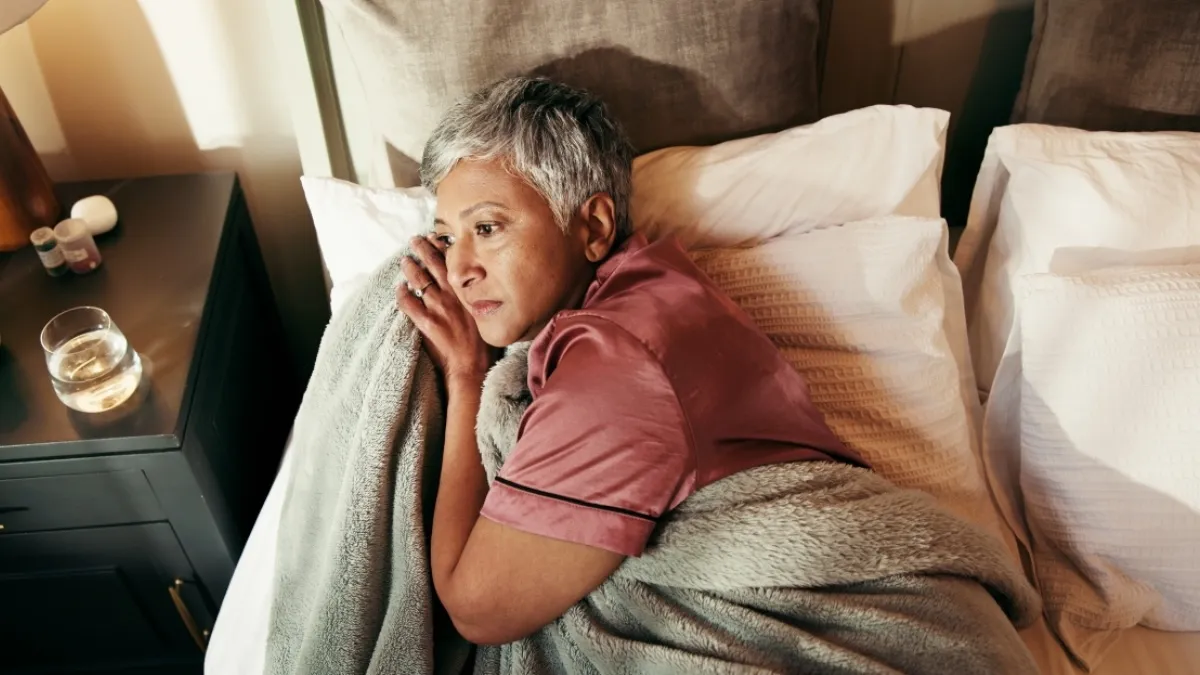
Waking Up Anxious at Night? When It Might Be Your Breathing

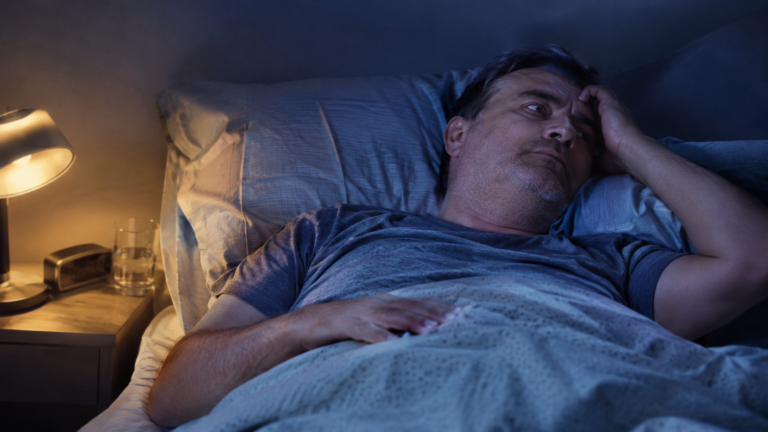
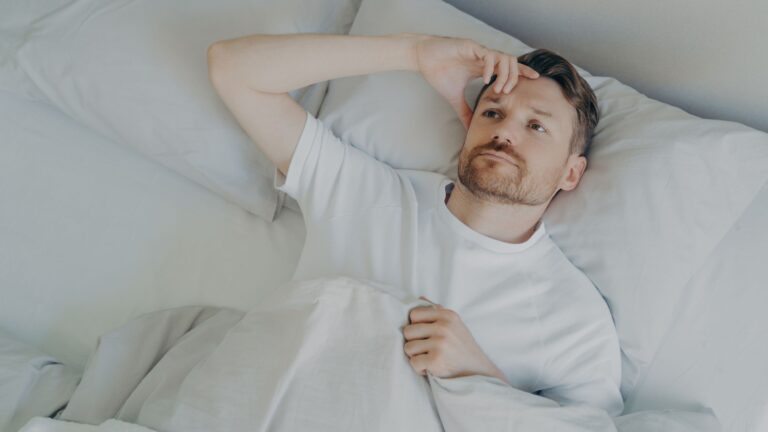
It’s the middle of the night. You wake up suddenly, heart pounding, chest tight, maybe gasping for air. Your mind races. What just happened? Am I okay?
It can take a while to calm down and fall back asleep. And when it keeps happening, you might start to dread going to bed at all.
Many people who experience this assume it’s anxiety or a nighttime panic attack. Sometimes it is. But there’s another possible cause that often gets overlooked: your breathing.
Sleep apnea, a condition where your breathing repeatedly stops or becomes shallow during sleep, can wake you up suddenly with sensations that feel a lot like panic. And when your sleep is broken night after night, daytime anxiety can become harder to manage too.
This isn’t about saying your anxiety isn’t real. It’s about making sure sleep is part of the conversation.
The short answer:
Waking up suddenly with a racing heart, gasping, or a sense of panic can be caused by anxiety, but it can also be a sign of sleep apnea, when your breathing pauses during sleep and your body wakes you to restart it. Poor sleep can also make anxiety worse. If you snore, wake up unrefreshed, or someone has noticed pauses in your breathing, a sleep test can help find out what’s going on.
What’s Happening When You Wake Up “Panicking”?

There are a few reasons someone might wake up suddenly feeling panicked or short of breath. Two of the most common are:
A nighttime panic attack. Some people experience panic attacks that start during sleep. These can bring on a racing heart, sweating, shaking, chest tightness, and an intense feeling of fear, often with no clear trigger.
A breathing pause from sleep apnea. In obstructive sleep apnea, the airway becomes blocked or narrowed during sleep. Your body senses the drop in breathing and jolts you awake, sometimes with a gasp, a choke, or a pounding heart, so you can start breathing normally again.
From the inside, these two experiences can feel surprisingly similar. That’s why it can be hard to tell them apart without looking at the bigger picture.
How Sleep Apnea Can Feel Like Anxiety at Night
When your breathing pauses during sleep, your body reacts like it’s facing a threat, because, in a way, it is. It needs air. That can trigger a surge of the same “fight or flight” response that’s involved in anxiety.
As a result, waking up from a breathing pause can bring:
- A racing or pounding heart
- A feeling of gasping, choking, or not getting enough air
- Sweating, especially at night
- A sudden sense of alarm or fear
- Trouble falling back asleep afterward

And because most breathing pauses happen without you fully waking up, you might only notice the bigger moments, the ones that jolt you awake, while dozens of smaller interruptions go unnoticed.
Waking up like this more than once in a while?
Our quick online sleep assessment takes just a few minutes and can help you see whether a sleep test might be right for you.
Anxiety and Poor Sleep: A Two-Way Street
Even when breathing isn’t the cause of nighttime waking, sleep and anxiety are closely connected, and each can make the other worse.
Poor sleep can make anxiety harder to manage. When your sleep keeps getting interrupted, your body and mind don’t get the rest they need. That can leave you more irritable, more on edge, and less able to cope with everyday stress.
Anxiety can make sleep harder. Racing thoughts and worry can make it harder to fall asleep or stay asleep, leading to more tired days.
Sleep apnea can feed the cycle. Research has found that people with sleep apnea are more likely to report anxiety and low mood. Untreated breathing problems may quietly keep that cycle going, night after night.

That’s why, if you’re living with anxiety and also snore or feel exhausted, it’s worth looking at your sleep too.
Want to know more? Here’s how sleep apnea affects your brain and focus.
Anxiety or Breathing? Signs That Can Help Tell Them Apart
This comparison can’t diagnose anything, but it can help you notice patterns worth discussing with a healthcare professional.
| Sign | More often linked with anxiety | More often linked with sleep apnea |
|---|---|---|
| Waking suddenly with a racing heart | Common | Common |
| Feeling of fear or alarm on waking | Common | Can happen |
| Racing thoughts before bed | Common | Not typical |
| Worry and tension during the day | Common | Can happen from poor sleep |
| Loud snoring most nights | Not related | Common warning sign |
| Partner notices breathing pauses | Not related | Important warning sign |
| Waking up gasping or choking | Can happen | Common warning sign |
| Morning headaches or dry mouth | Not typical | Common |
| Tired even after a full night in bed | Can happen | Common |
| Dozing off during the day | Less typical | Common |
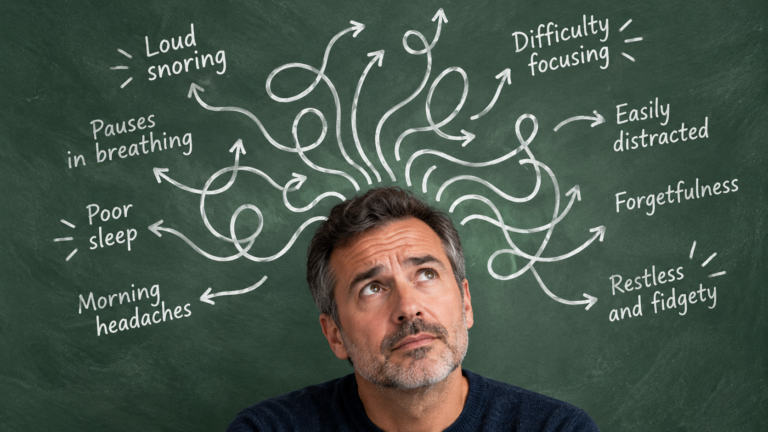
The key difference: Sleep apnea signs usually centre on what happens to your breathing at night, like snoring, pauses, gasping, and waking unrefreshed. If those signs show up alongside your nighttime waking, a sleep test can help.
Get answers about your sleep.
“I Already Have Anxiety. Should I Still Think About My Sleep?”

Yes, especially if any of the sleep apnea signs above sound familiar.
Having anxiety doesn’t mean every symptom comes from anxiety. If you’re managing anxiety and still waking up gasping, snoring loudly, or feeling exhausted no matter how much you sleep, untreated sleep apnea could be adding to the load.
A few things to keep in mind:
- Keep up your current care. Don’t stop or change any anxiety treatment or medication on your own.
- Mention your sleep to your healthcare provider. Snoring, breathing pauses, and waking up gasping are all worth bringing up.
- Let your sleep team know about your anxiety. It’s a helpful context when reviewing your sleep test results.
For many people, getting answers about their sleep can bring real peace of mind, whatever the results show.
If you need support now:
If anxiety is affecting your daily life, please reach out to your healthcare provider. If you’re in crisis or thinking about harming yourself, call or text 9-8-8 (Suicide Crisis Helpline), available across Canada 24/7.
Signs Your Nighttime Waking Is Worth a Sleep Test
Consider talking to a healthcare professional about a sleep test if you notice:
- ☐ Waking up suddenly gasping, choking, or short of breath
- ☐ Loud or frequent snoring
- ☐ A partner noticing pauses in your breathing
- ☐ Waking up with a racing heart, more than once in a while
- ☐ Feeling unrefreshed after a full night in bed
- ☐ Morning headaches or a dry mouth
- ☐ Feeling more irritable, on edge, or low than usual
- ☐ Dozing off during the day, while reading, watching TV, or driving

Safety note:
If you feel dangerously sleepy, don’t drive or operate machinery. And if you ever have chest pain or trouble breathing that doesn’t go away, seek emergency care right away.
Testing happens in your own bed.
A home sleep test records your breathing, oxygen levels, and heart rate while you sleep. A physician reviews your results, and our team explains them in plain language.
What You Can Do Tonight
While you’re waiting for answers, a few simple steps may help you feel more settled at night:
- Keep a regular sleep schedule. Consistency helps your body know when it’s time to rest.
- Create a calming wind-down routine. Try reading, gentle stretching, or slow breathing before bed.
- Limit alcohol and late caffeine. Both can disrupt sleep, and alcohol can make snoring and breathing pauses worse.
- Try sleeping on your side. For some people, back sleeping makes snoring and breathing pauses worse.
- Keep a short sleep log. Note when you wake up, how you felt, and whether you snored or gasped. Ask a partner what they’ve noticed.
These steps can support better sleep for most people. If sleep apnea is part of the picture, though, they won’t fix it on their own. That’s where a sleep test helps.
Not sure whether it’s snoring or something more? Here’s how to tell snoring from sleep apnea.
Getting Tested With Snore MD Is Simple
If your nighttime waking comes with snoring, gasping, or constant tiredness, here’s how to get answers:
- Take our online sleep assessment. It only takes a few minutes.
- Get referred. A doctor’s referral is required. Don’t have easy access to a family doctor? Our free online physician program connects you with a Snore MD partnered physician.
- Sleep at home. Most people can do a home sleep test in their own bed, no overnight hospital stay.
- Understand your results. A sleep medicine physician reviews your results, and our team explains them in plain language.
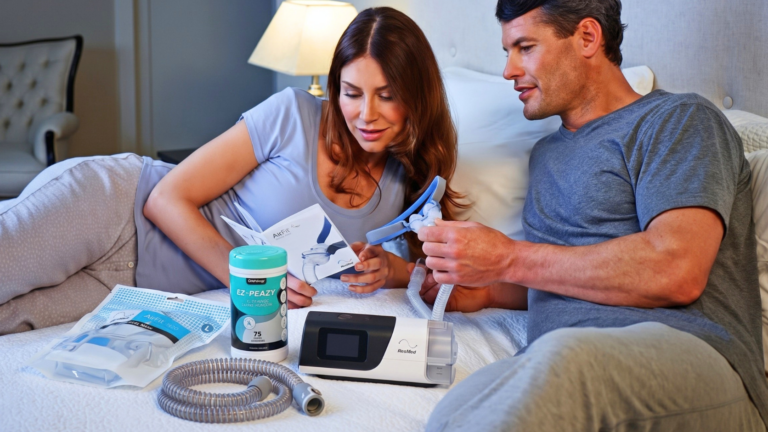
- Find a treatment that fits your life. If treatment is recommended, we’ll help you explore options that suit your needs and lifestyle, whether that’s CPAP or another path your physician recommends.
Our team also helps coordinate with your insurance provider, and through our Care For Life program, our support continues long after your first appointment.
Wondering what comes next? Here’s what happens after your sleep test.
Talk to a team that listens.
With clinics across British Columbia and Alberta, there’s a Snore MD team near you.
You Deserve Restful Nights
Waking up in a panic is exhausting and frightening, and you shouldn’t have to just live with it.
Whether your nighttime waking is linked to anxiety, your breathing, or a bit of both, getting answers is an important step toward feeling better. If snoring, gasping, or constant tiredness are part of your story, a sleep test can help you understand what’s really happening while you sleep.
Find out what’s waking you up.
→ Take our online sleep assessment | Learn about our Home Sleep Test | Find a Clinic in BC or Alberta
Frequently Asked Questions
Sleep apnea doesn’t directly cause anxiety, but research has found that people with sleep apnea are more likely to report anxiety and low mood. Broken sleep can make stress harder to manage, and waking up gasping can feel a lot like panic.
Waking up gasping can happen for several reasons, including anxiety, nasal congestion, or sleep apnea, when your airway becomes blocked during sleep and your body wakes you to restart breathing. If it happens often, especially with snoring, it’s worth talking to a healthcare professional.
They can feel very similar. Sleep apnea is more likely if you also snore loudly, a partner notices breathing pauses, or you wake up tired despite a full night in bed. A sleep test can help find out whether breathing is involved.
For many people, treating sleep apnea leads to more restful sleep, and better sleep can make it easier to manage stress and mood. It isn’t a replacement for anxiety care, though. Keep working with your healthcare provider on both.
If you have anxiety and also snore, wake up gasping, have morning headaches, or feel exhausted despite enough sleep, it’s worth discussing a sleep test with a healthcare professional.
Yes, a doctor’s referral is required. If you don’t have easy access to a family doctor, Snore MD’s free online physician program can connect you with a partnered physician to help you get started.
Ready to Find Out What’s Waking You Up?
Start with a quick online sleep assessment. It only takes a few minutes.