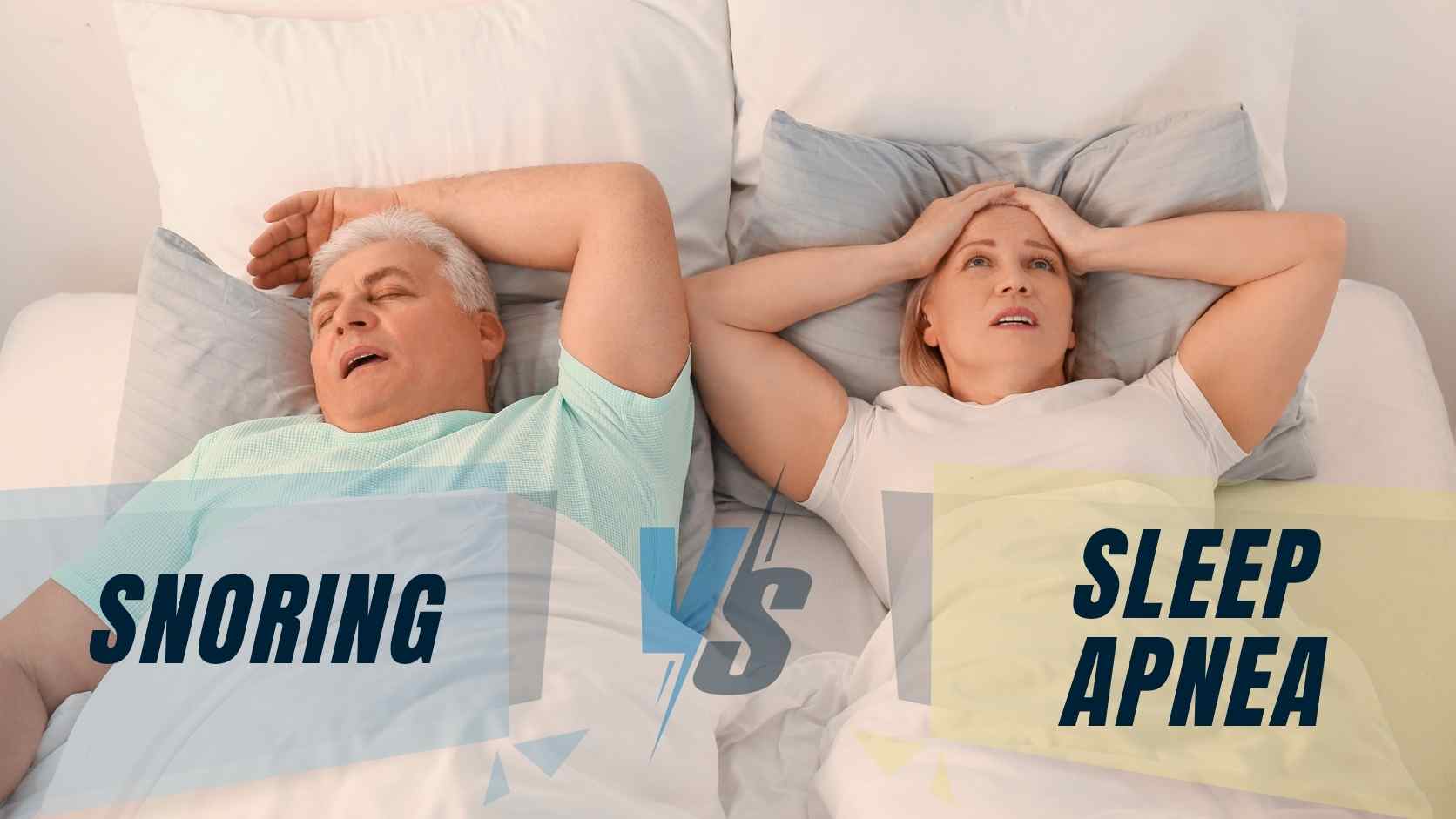
Snoring or Sleep Apnea? How to Tell the Difference
Written by: Snore MD Editorial Team
Medically reviewed by: Michael Davis, Registered Respiratory Therapist, Polysomnographic Technologist and Snore MD Clinical Director
Snoring is common. For some people, it is an occasional nuisance caused by a stuffy nose, sleeping position, or other temporary factor. For others, it can be one of the first noticeable signs of obstructive sleep apnea.
So, how can you tell the difference?
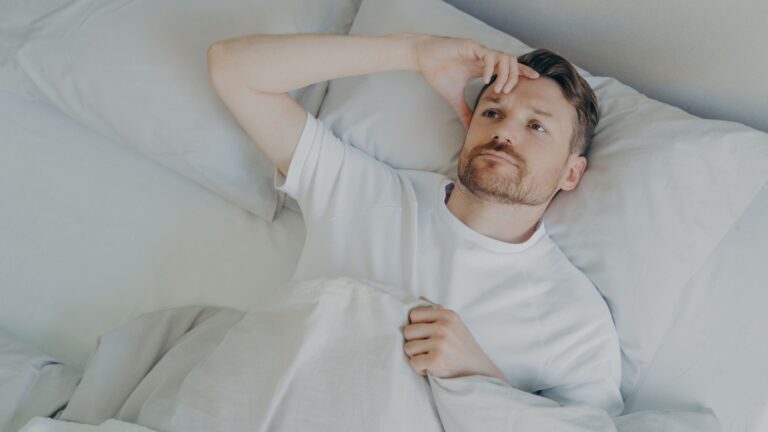
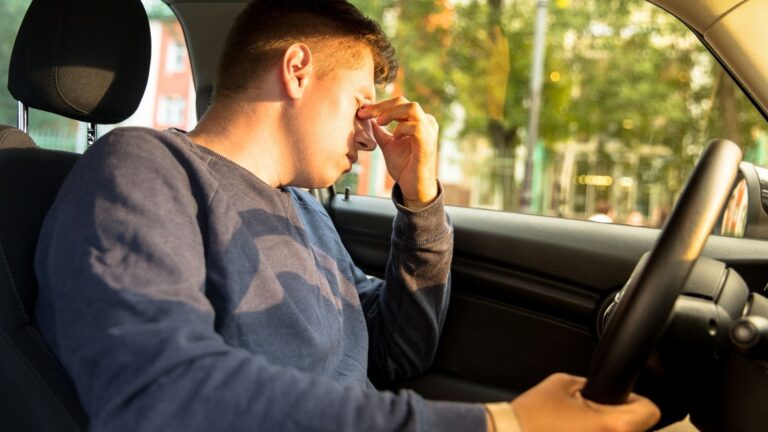
Not everyone who snores has sleep apnea. However, frequent snoring accompanied by pauses in breathing, gasping, choking, morning headaches, or daytime tiredness can be a sign that further assessment is needed.
The sound of snoring alone cannot confirm whether you have sleep apnea. Looking at your breathing patterns, sleep quality, and daytime symptoms can help you decide whether you should monitor the issue, speak with a snoring or sleep apnea clinic, or learn more about sleep apnea testing.
What Is the Difference Between Snoring and Sleep Apnea?
Snoring is the sound produced when tissues in the airway vibrate as air moves past them during sleep. Sleep apnea is a sleep-related breathing disorder in which breathing repeatedly stops or becomes significantly restricted while a person is asleep.
In other words, snoring is a sound or symptom. Sleep apnea is a medical condition.
A person can snore without experiencing repeated breathing interruptions. However, snoring is also a common symptom of obstructive sleep apnea, especially when it occurs with gasping, choking, or pauses in breathing.
Obstructive sleep apnea occurs when the airway becomes narrowed or blocked during sleep. These breathing disruptions may briefly disturb sleep, even when the person does not remember waking up.
That repeated disruption can leave someone feeling tired, unfocused, or unrefreshed the next day.
The volume of someone’s snoring does not provide a diagnosis by itself. A more important question is whether the snoring occurs alongside changes in breathing, disrupted sleep, or daytime symptoms.
Is Snoring Always a Sign of Sleep Apnea?
No. Snoring does not always mean that a person has sleep apnea.
Occasional snoring can be associated with several factors, including:
- Sleeping on your back
- Nasal congestion, allergies, or a cold
- Alcohol use close to bedtime
- Sleep deprivation
- Changes in body weight
- The natural shape of the nose, throat, jaw, or airway
In these situations, a person may snore without repeatedly stopping or restricting their breathing.
The challenge is that it can be difficult to distinguish simple snoring from possible sleep apnea based on sound alone. Many people are also unaware of what happens while they sleep.
A spouse or partner may be the first person to notice concerning patterns, such as snoring followed by silence, gasping, choking, or a sudden snort when breathing resumes.
The concern increases when snoring happens frequently, becomes more intense, interrupts sleep, or occurs with symptoms during the day.
Even when there are no obvious breathing pauses, persistent snoring may still be worth discussing with a qualified healthcare professional or snoring clinic—especially if it is disrupting your sleep, affecting your partner, or getting worse over time.
When Is Snoring a Sign of Sleep Apnea?
Snoring may be a sign of sleep apnea when it occurs with repeated breathing pauses, gasping, choking, restless sleep, morning headaches, or excessive tiredness during the day.
Signs That Snoring May Need Medical Assessment
Consider speaking with a qualified healthcare professional if you or your partner notices:
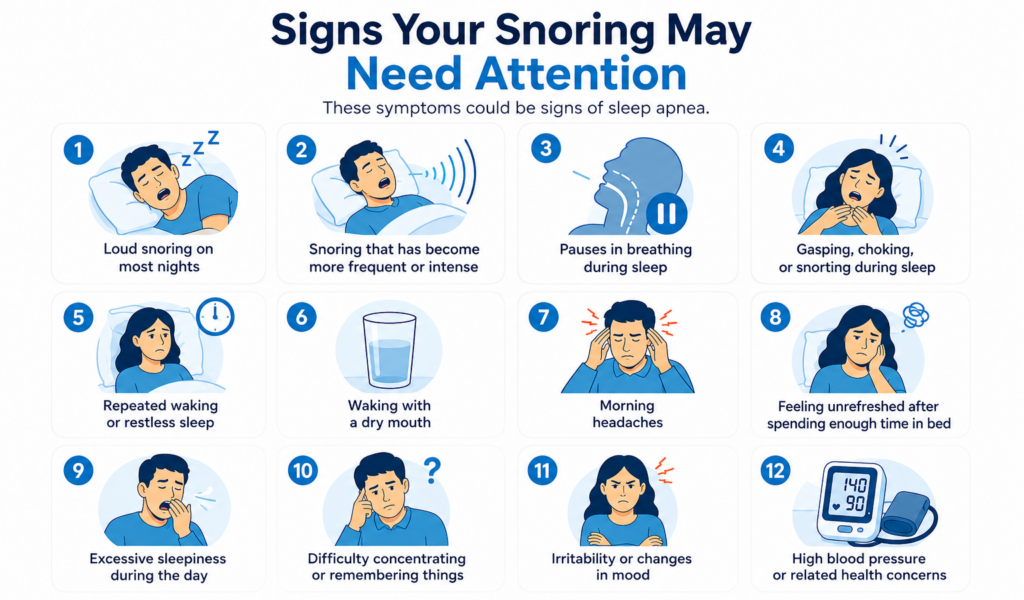
A bed partner may notice nighttime breathing changes before the person experiencing them does. Someone with sleep apnea may not remember waking when their breathing is interrupted.
Not everyone with sleep apnea has every symptom. Some people experience significant daytime tiredness, while others notice concentration problems, headaches, or poor-quality sleep.
Not all snoring is sleep apnea—but loud or persistent snoring combined with breathing pauses, gasping, choking, or daytime symptoms should be assessed.
If several of these signs sound familiar, a sleep assessment may be more helpful than trying to reduce the snoring without understanding its cause.
A sleep apnea clinic can help review the full symptom pattern and determine whether sleep apnea testing should be considered.
Snoring vs Sleep Apnea: A Side-by-Side Comparison
Criteria
Simple Snoring
Possible Sleep Apnea
Main issue
Airway tissues vibrate and create sound
Breathing repeatedly stops or becomes restricted
Snoring pattern
May be occasional or related to sleep position
May be frequent, loud, or interrupted by silence
Pauses in breathing
Usually not present
May be noticed by a spouse or partner
Gasping or choking
Uncommon
May happen when breathing resumes
Sleep quality
May remain relatively normal
May be fragmented or unrefreshing
Morning headaches
Less typical
May occur
Concentration or mood changes
Less likely to be related to snoring alone
Can result from disrupted sleep
Health concern
Often mainly disruptive to the person or partner
May affect health and quality of life if untreated
Recommended next step
Monitor contributing factors or ask a clinic about persistent snoring
Discuss sleep assessment or testing with a healthcare professional
Criteria
Simple Snoring
Possible Sleep Apnea
Main issue
Airway tissues vibrate and create sound
Breathing repeatedly stops or becomes restricted
Snoring pattern
May be occasional or related to sleep position
May be frequent, loud, or interrupted by silence
Pauses in breathing
Usually not present
May be noticed by a spouse or partner
Gasping or choking
Uncommon
May happen when breathing resumes
Sleep quality
May remain relatively normal
May be fragmented or unrefreshing
Morning headaches
Less typical
May occur
Concentration or mood changes
Less likely to be related to snoring alone
Can result from disrupted sleep
Health concern
Often mainly disruptive to the person or partner
May affect health and quality of life if untreated
Recommended next step
Monitor contributing factors or ask a clinic about persistent snoring
Discuss sleep assessment or testing with a healthcare professional
The biggest difference is not simply how loud the snoring sounds. Breathing interruptions, poor-quality sleep, and daytime impairment are more important warning signs.
A sleep test is used to determine whether breathing disruptions consistent with sleep apnea are occurring.
Can You Have Sleep Apnea Without Snoring?
Yes. A person can have sleep apnea without obvious or consistently loud snoring.
Snoring is common in obstructive sleep apnea, but it is not present—or noticed—in every case. People who sleep alone may not know whether they snore, gasp, or experience pauses in breathing.
Some people primarily notice daytime symptoms, such as:


Symptoms can also present differently from one person to another. That is why an assessment should consider the full pattern of nighttime and daytime symptoms, rather than relying on snoring alone.
Snoring Treatment vs Sleep Apnea Testing: What Comes First?
Snoring treatment focuses on reducing the airway vibration or obstruction associated with snoring. Sleep apnea testing investigates whether breathing repeatedly stops or becomes significantly restricted during sleep.
That distinction matters because the right first step depends on the symptoms surrounding the snoring.
Occasional snoring may improve when contributing factors are addressed. Depending on the individual, this could involve changing sleep position, addressing nasal congestion, reviewing alcohol use near bedtime, or discussing weight-related concerns with a healthcare professional.
Persistent snoring may also warrant a professional snoring assessment, even when there are no obvious breathing pauses. A clinic can help review the pattern, consider possible contributing factors, and determine whether testing or another clinical pathway is appropriate.
However, reducing the sound of snoring does not necessarily confirm that breathing is normal.
Some over-the-counter products and home remedies are marketed as snoring treatments. A product may make snoring quieter without determining whether sleep apnea is present or addressing an underlying sleep-related breathing disorder.
When warning signs such as breathing pauses, gasping, choking, morning headaches, or significant daytime sleepiness are present, assessment and possible testing should come before assuming the issue is “just snoring.”
A sleep test records breathing-related information while you sleep. The results can help a qualified healthcare professional determine whether sleep apnea is present and what next steps may be appropriate.
Snoring treatment aims to address the symptom and its contributing factors. Sleep apnea testing investigates whether repeated breathing interruptions are occurring.
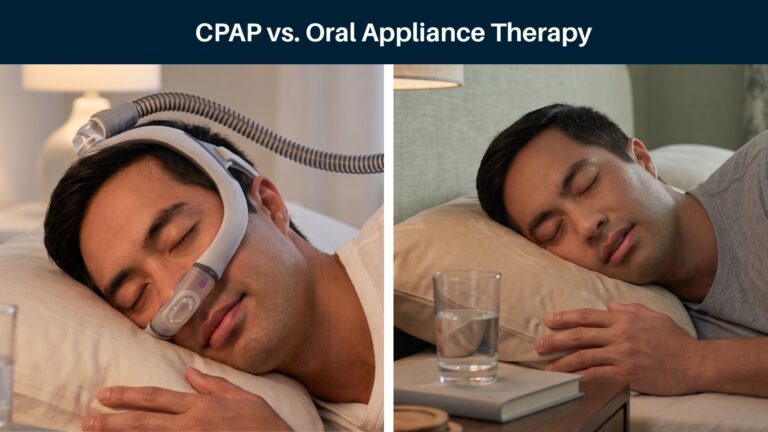
Treatment recommendations should be based on symptoms, relevant health history, assessment findings, test results when applicable, and advice from a qualified healthcare professional. Not everyone who snores needs CPAP, and not everyone who visits a snoring clinic will require a sleep test.
Why Thousands of Canadians Choose Snore MD
When Should You Get Tested for Sleep Apnea?
Consider discussing sleep apnea testing with a healthcare professional when snoring is frequent or worsening, breathing pauses are witnessed, or poor sleep is affecting your daytime energy, concentration, mood, or overall well-being.
Testing may be an appropriate next step when:
- Your partner notices that you stop breathing during sleep
- You wake up gasping or choking
- Your snoring is loud and occurs on most nights
- You feel tired despite spending enough time in bed
- Daytime sleepiness affects your work or daily activities
- You regularly wake with headaches or a dry mouth
- You have trouble concentrating or experience changes in mood
- Snoring occurs alongside high blood pressure or other health concerns
- You have tried basic snoring measures without improvement
- You are unsure whether your symptoms are simple snoring or possible sleep apnea
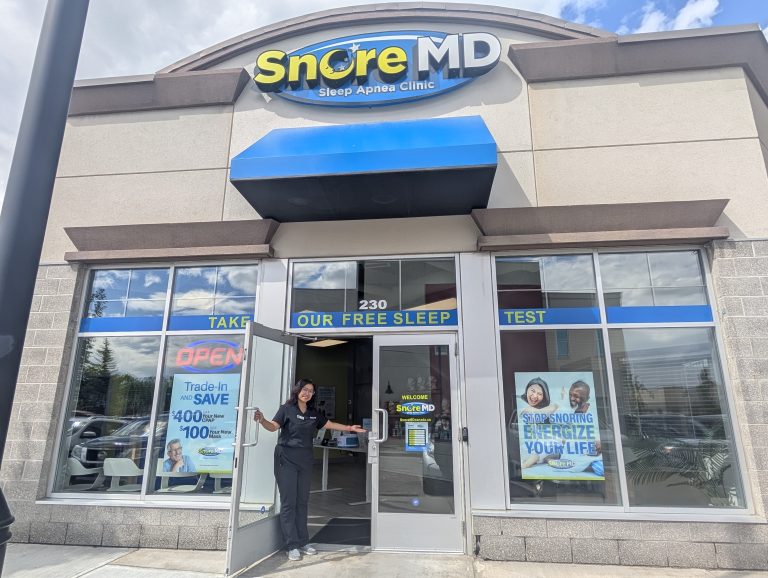
Snore MD supports patients through sleep-related assessment and care at locations across British Columbia and Alberta.
Concerned That Your Snoring Could Be More Than Snoring?
What Happens During Sleep Apnea Testing?
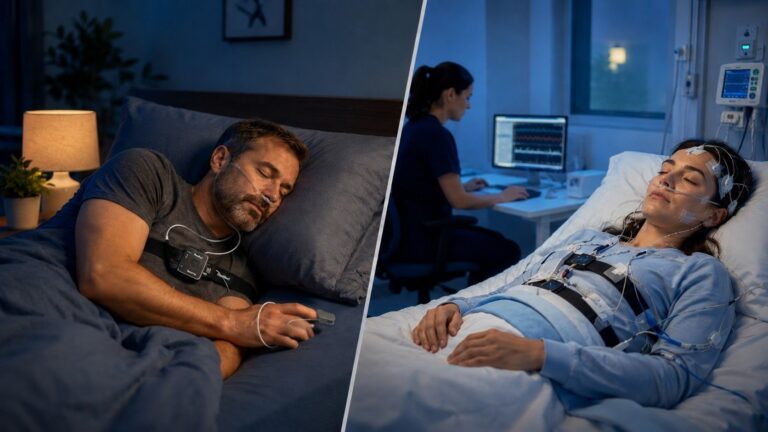
A sleep test records information about your breathing and related activity while you sleep. Depending on your symptoms, medical history, location, and the recommendations you receive, testing may be completed at home or through another appropriate testing pathway.
The information collected can help identify whether your breathing repeatedly stops or becomes restricted during sleep. It may also help determine how frequently these events occur.
Your results should be reviewed in the context of your symptoms and relevant health history. A qualified healthcare professional can explain the findings and discuss whether additional assessment or treatment is appropriate.
A smartphone app, wearable, snoring recording, or partner observation may reveal useful clues, but these tools cannot provide a formal sleep apnea diagnosis on their own.
What Should You Do if You Are Not Sure?
Start by paying attention to the complete pattern—not just the sound of your snoring.
Ask your partner whether they have noticed changes in your breathing, including pauses, gasping, choking, or sudden snorts. Think about how you feel during the day and whether you regularly wake feeling refreshed.
It may also help to write down your symptoms before speaking with a healthcare professional.
Snoring is not always sleep apnea. But if your snoring comes with breathing pauses, gasping, choking, morning headaches, unrefreshing sleep, or daytime tiredness, testing can help clarify what is happening while you sleep.
A sleep assessment can help determine whether the issue is isolated snoring or part of a sleep-related breathing disorder.
Get Clarity About Your Snoring
Frequently Asked Questions About Snoring and Sleep Apnea
Is snoring always sleep apnea?
No. Many people snore without having sleep apnea. Snoring becomes more concerning when it is frequent and accompanied by breathing pauses, gasping, choking, unrefreshing sleep, morning headaches, or excessive daytime tiredness.
When is snoring a sign of sleep apnea?
Snoring may be a sign of sleep apnea when it is interrupted by silence followed by gasping, choking, or snorting. Witnessed breathing pauses, restless sleep, morning headaches, and persistent daytime sleepiness are also warning signs.
Can you have sleep apnea without snoring?
Yes. Snoring is common in obstructive sleep apnea, but it is not obvious in every case. Some people primarily experience fatigue, headaches, concentration problems, repeated waking, or unrefreshing sleep.
Should I get tested if my partner says I stop breathing during sleep?
Witnessed breathing pauses should be taken seriously and discussed with a qualified healthcare professional. A sleep test may help determine whether the pauses are related to sleep apnea or another concern.
Can snoring remedies treat sleep apnea?
A remedy that reduces snoring does not necessarily treat sleep apnea. Sleep apnea care should be based on appropriate assessment, testing, symptoms, medical history, and professional recommendations.
What is the difference between snoring treatment and sleep apnea testing?
Snoring treatment focuses on reducing airway vibration or noise. Sleep apnea testing investigates whether breathing repeatedly stops or becomes restricted during sleep.
Written by: Snore MD Editorial Team
Medically reviewed by: Michael Davis, Registered Respiratory Therapist, Polysomnographic Technologist and Snore MD Clinical Director