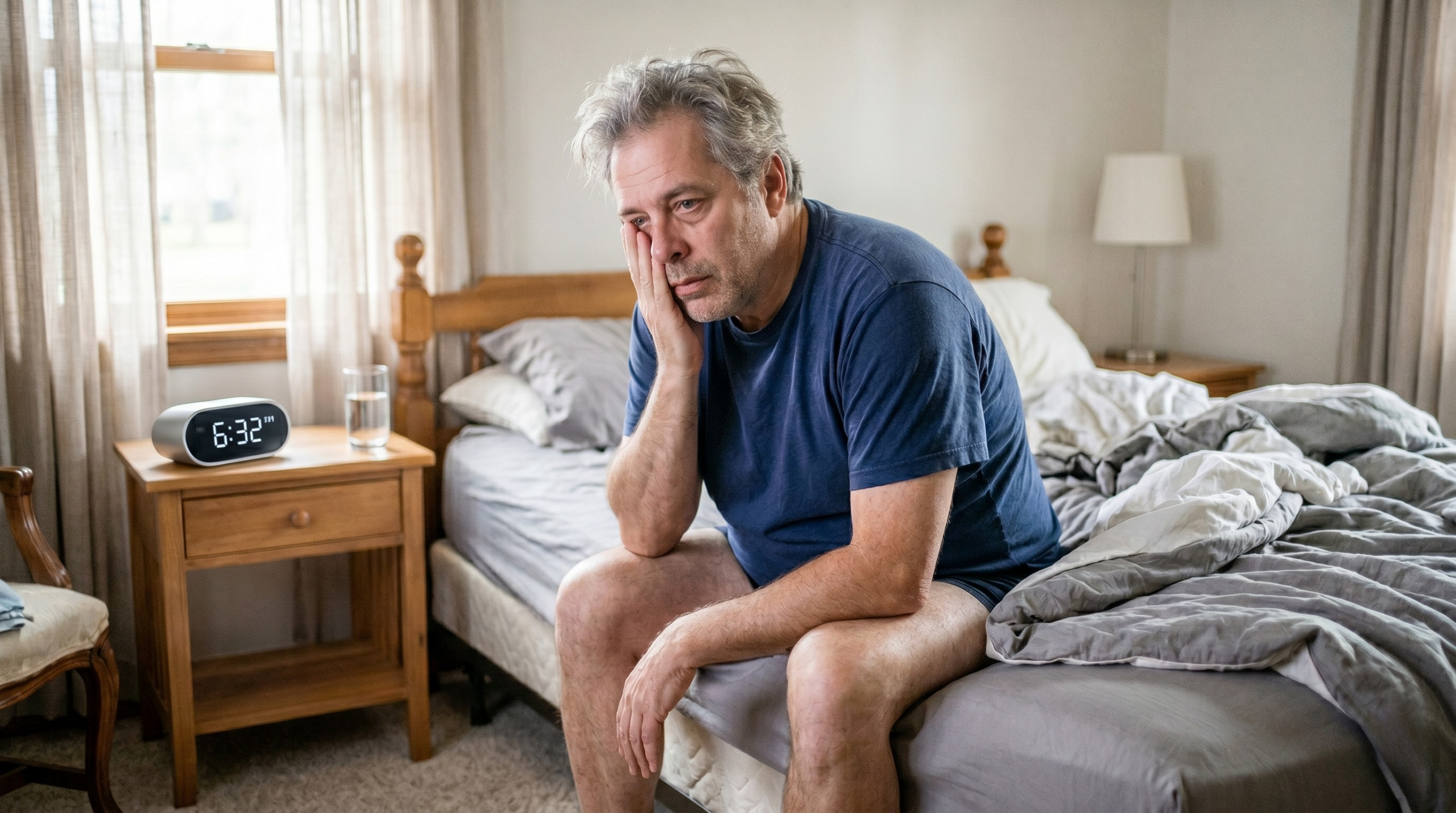
Waking Up Gasping for Air at Night? It Could Be Sleep Apnea — Not Just Allergies
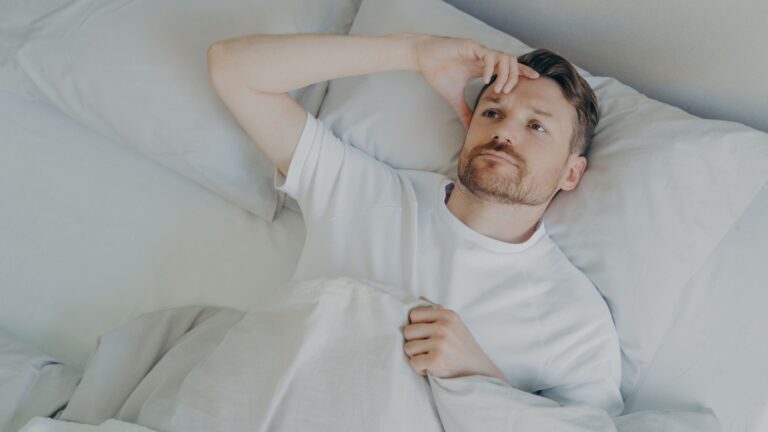
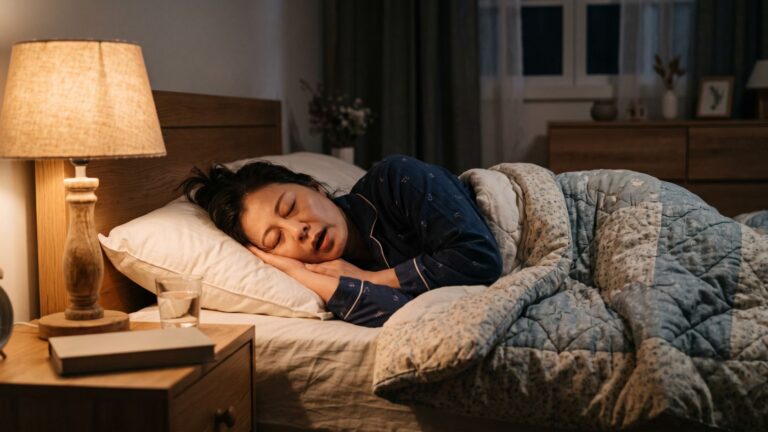
You lie down to sleep… and your breathing suddenly feels off.
Maybe your nose feels blocked. Maybe you wake up suddenly trying to catch your breath. Maybe you feel like you can’t breathe properly at night. It’s uncomfortable—and sometimes even a little alarming.
So you assume: 👉 It’s allergies 👉 It’s congestion 👉 It’s asthma
And sometimes, that’s true. But not always.
For many residents across Western Canada—where changing seasons bring both dry winters and intense summer wildfire smoke—nighttime breathing issues are a frequent complaint. However, if you are frequently waking up gasping for air, the root cause might be structural rather than seasonal.
Why Do I Wake Up Gasping for Air at Night?
Waking up gasping can happen for several reasons, including congestion, asthma, reflux, or sleep apnea. But when it happens repeatedly—especially alongside snoring, poor sleep, or daytime fatigue—a sleep-related breathing issue may be worth ruling out.
Common Causes of Waking Up Gasping for Air at Night (Sleep Apnea vs Allergies)
Waking up gasping can happen for several reasons, including congestion, asthma, reflux, or sleep apnea. But when it happens repeatedly—especially alongside snoring, poor sleep, or daytime fatigue—a sleep-related breathing issue may be worth ruling out.
Congestion
Asthma
Reflux
Sleep Apnea
Allergies, Asthma, or Sleep Apnea: How to Tell the Difference
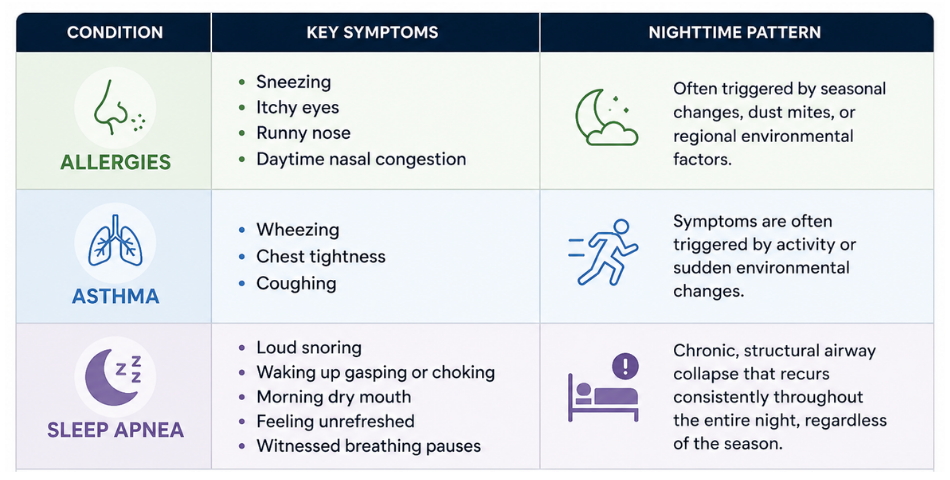
Symptoms can overlap—but the underlying cause may be different. Because distinguishing between these conditions can be difficult, looking at your specific symptoms and nighttime patterns is a crucial first step.
The table below outlines how to differentiate between allergies, asthma, and obstructive sleep apnea (OSA):
Why Sleep Apnea Affects Your Breathing at Night
When you fall asleep, the muscles in your airway naturally relax. For some people, this can cause the airway to narrow or fully collapse, restricting breathing and causing blood oxygen levels to drop.
When this happens, your body enters a state of panic. Your brain registers the drop in oxygen and forces you to briefly wake up to restore normal breathing—a process often accompanied by a loud gasp, snort, or choking sound. This cycle can happen dozens or even hundreds of times throughout the night, completely destroying your sleep quality, often without you even realizing it.
Congestion vs Sleep Apnea
Nasal congestion can make it harder to breathe comfortably at night. But repeated gasping, choking, or disrupted sleep may point to a deeper sleep-related breathing issue. Understanding the difference is important—especially if symptoms keep happening.
Signs Your Breathing Issues May Be Sleep-Related
You may want to look closer at your sleep if you:
- Wake up gasping or choking.
- Snore regularly.
- Wake with a dry mouth or sore throat.
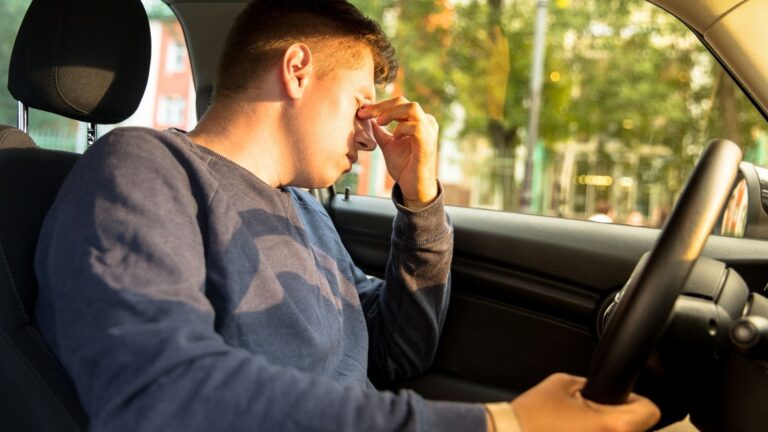
- Feel tired even after a full night’s sleep.
- Have been told by a partner that you stop breathing during sleep.
- Notice your breathing feels worse when lying flat on your back.
These symptoms are often overlooked—but together, they can point to disrupted sleep.
How Sleep Apnea is Diagnosed in Western Canada
Across British Columbia and Alberta, the standard initial medical evaluation involves a Home Sleep Apnea Test (HSAT). This is a simple, non-invasive diagnostic test that you take home and wear while sleeping in your own bed. It measures your heart rate, oxygen levels, and breathing effort to give clinicians a clear picture of what is happening to your body overnight.
When to Consider a Sleep Test
If you’re waking up gasping, snoring, or never feeling fully rested, a sleep assessment can help identify what may be affecting your breathing at night. Untreated sleep disorders can increase long-term health risks, including high blood pressure and chronic fatigue.
What You Can Do Next
If you’re waking up gasping, struggling to breathe at night, or never feeling fully rested: 👉 It may be time to look at your sleep.
Snore MD has over 30 clinics across British Columbia and Alberta, including convenient locations in Vancouver, Kelowna, Calgary, and Edmonton—making it easy to get assessed locally and understand your next steps.
Frequently Asked Questions
Why do I wake up gasping for air at night?
Waking up gasping for air is most commonly caused by Obstructive Sleep Apnea (OSA), a condition where your airway physically collapses during sleep. While temporary issues like nasal congestion, acid reflux, or severe asthma can cause nighttime breathing disruptions, frequent and repetitive gasping is a hallmark sign that your brain is forcing you awake to restart your breathing due to an obstructed airway.
Can sleep apnea feel like asthma or allergies?
Yes, sleep apnea can mimic asthma or allergies because all three conditions cause upper respiratory discomfort and nighttime waking. However, while allergies and asthma typically cause wheezing, coughing, or an itchy, runny nose, sleep apnea is uniquely identified by chronic snoring, witnessed pauses in breathing, and waking up with an extremely dry mouth or a choking sensation.
Why can’t I breathe properly when I lie down?
Breathing becomes more restricted when you lie down due to gravity pulling the soft tissues of your throat and tongue backward, which narrows your upper airway. If you have underlying nasal congestion or anatomical predispositions, this gravitational shift significantly increases airway resistance, frequently triggering partial or complete airway blockages during sleep.
Is snoring a sign of a breathing problem?
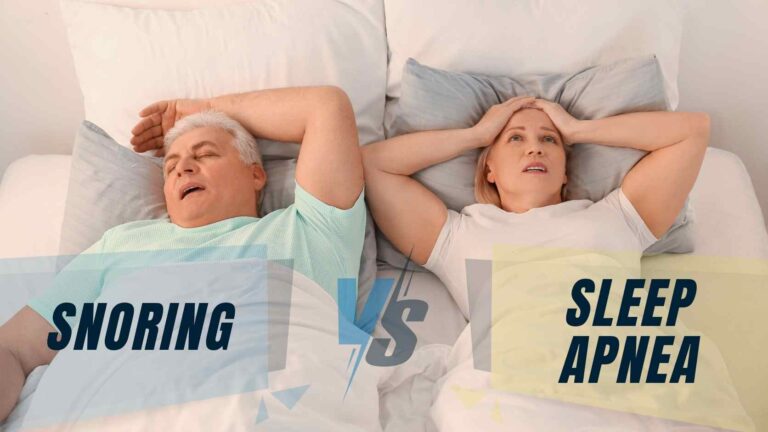
Yes, snoring is a direct acoustic sign of partial airway blockage and is the most common indicator of sleep apnea. The sound of snoring is created by air forcing its way past relaxed, vibrating tissues in the throat; when that airflow becomes completely blocked, it transitions into silent pauses followed by sudden gasping.
Can allergies and sleep apnea happen at the same time?
Yes, allergies and sleep apnea frequently co-exist, and untreated allergies can actively worsen sleep apnea symptoms. Severe seasonal allergies cause nasal inflammation and increased airway resistance, forcing you to breathe through your mouth, which destabilizes the throat muscles and increases the likelihood of nighttime airway collapse.
When should I get tested for sleep apnea?
You should get tested for sleep apnea if you experience repeated nighttime gasping, chronic loud snoring, or ongoing daytime fatigue despite spending enough hours in bed. According to clinical standards in BC and Alberta, experiencing two or more of these symptoms warrants a professional home sleep assessment to protect your long-term cardiovascular health.