Sleep Apnea and Brain Fog: The Cognitive Cost of Going Untreated

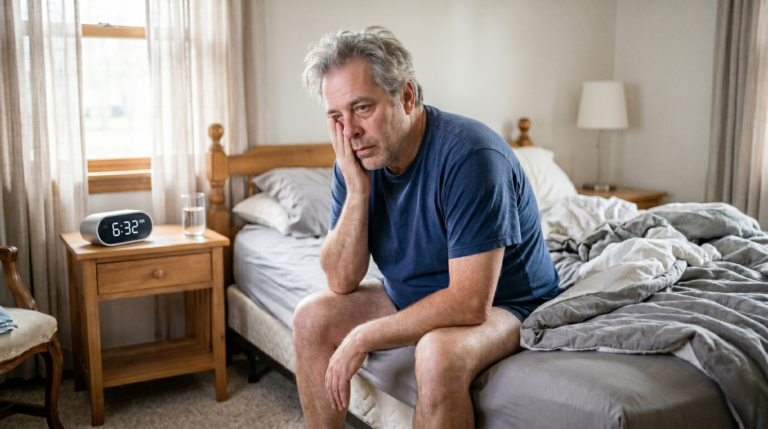
You walk into a room and forget why. You lose your train of thought mid-sentence. Simple tasks feel slower, and by mid-afternoon your brain feels like it’s wading through mud. If that sounds familiar, you might chalk it up to stress, age, or just being busy — but there’s another possibility that often gets overlooked: the quality of your sleep.
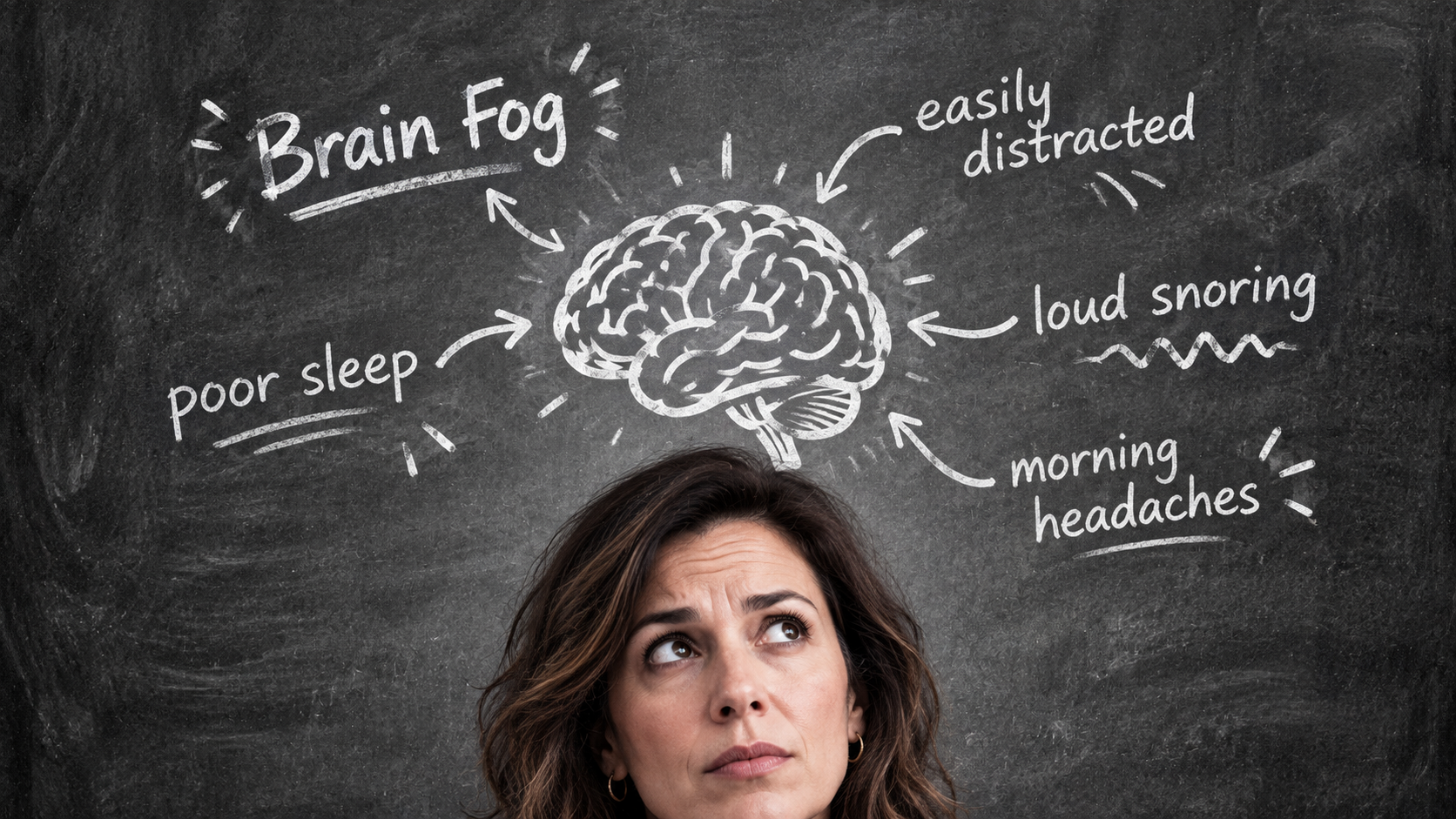
That heavy, hard-to-focus feeling has a name. It’s often called “brain fog” — a mix of forgetfulness, poor concentration, and mental fuzziness that can make everyday life harder than it should be. Brain fog can have many causes, but one that’s frequently missed is a sleep-related breathing problem called obstructive sleep apnea.
Here’s the part worth paying attention to: when sleep apnea goes untreated, the effects on your thinking may not stay small. And the encouraging flip side is that treating it can help many people feel sharper again. Let’s unpack how the two are connected — and what you can do about it.
What Is Brain Fog, Really?
Brain fog isn’t a formal medical diagnosis. It’s a description of a very real, very frustrating set of symptoms that many people experience. If you have it, you might notice that you’re easily distracted, that words slip away mid-thought, or that problem-solving takes more effort than it used to. For a lot of people, it’s worst in the morning — right after a night of poor sleep.
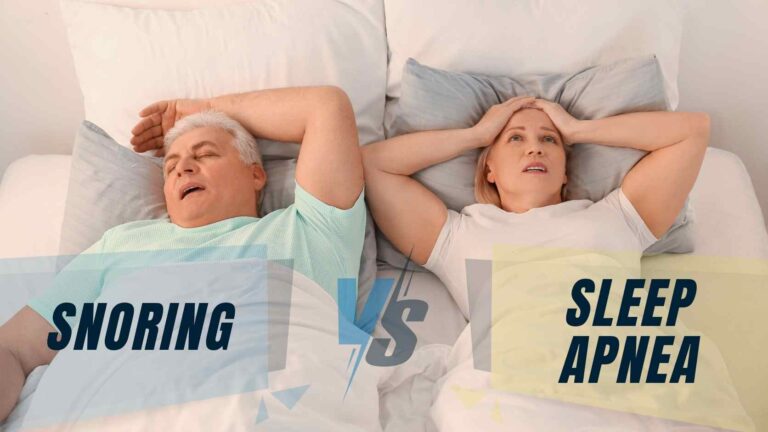
Plenty of things can cause brain fog, including stress, anxiety, low mood, hormonal changes, certain medications, and other health conditions. So brain fog on its own doesn’t point to any single cause. But when it shows up alongside loud snoring, morning headaches, daytime exhaustion, or a partner noticing that you stop breathing at night, sleep apnea moves up the list of possibilities worth ruling out.
Why Sleep Apnea Affects Your Brain
To understand the connection, it helps to know what sleep apnea actually does. Obstructive sleep apnea happens when the airway becomes narrowed or blocked repeatedly during sleep. Each time it happens, breathing briefly stops or becomes shallow, and the brain gets less oxygen. These interruptions can occur many times an hour — and most people don’t remember a single one.
That nightly pattern affects the brain in a few important ways.
First, there’s the oxygen itself. As a rule, the brain doesn’t respond well to being repeatedly deprived of oxygen. Over time, those dips can affect the areas involved in memory, mood, and decision-making.

Second, there’s the sleep you’re missing. Every time your breathing is disrupted, your body is nudged out of the deep, restorative stages of sleep — the stages when your brain files away memories, clears out waste products, and recharges for the next day. You can spend a full eight hours in bed and still wake up as if you’d barely slept, because your brain never got the uninterrupted rest it needed.
Third, researchers have found that untreated sleep apnea is linked to actual changes in the brain over time, including in regions tied to attention, memory, and planning. Studies of people with untreated obstructive sleep apnea have found they tend to perform worse on tests of memory, attention, and mental sharpness than those without it.
None of this means a foggy morning is cause for alarm. But it does explain why persistent brain fog, paired with other warning signs, is worth taking seriously rather than pushing through.
The short version:
Sleep apnea repeatedly lowers your brain’s oxygen and breaks up the deep sleep it needs to function. Do that night after night, year after year, and it can quietly take a toll on how you think and feel.
The Cognitive Cost of Leaving It Untreated
This is where the research has become harder to ignore.
A 2026 study from the University of Florida and Johns Hopkins University, which followed a decade’s worth of data, found that untreated sleep apnea was associated with a 69% faster decline in cognitive function over ten years. That’s a striking number, and it points to something researchers increasingly agree on: sleep apnea appears to be a risk factor for cognitive decline that you can actually do something about.
Other research supports the same picture. One large review that pooled several studies found that adults with obstructive sleep apnea were more likely to develop significant cognitive decline or dementia over the following years than those without it. Scientists believe the ongoing oxygen dips and fragmented sleep gradually make the brain more vulnerable over time.
The reason this matters so much is simple: many of the biggest drivers of long-term cognitive decline aren’t things we can change. Sleep apnea is different. It’s identifiable, and it’s treatable. Catching it and managing it is one of the more practical steps someone can take to protect their brain health down the road.
The Good News: These Effects Can Often Improve
If the section above felt heavy, here’s the part that should feel hopeful.
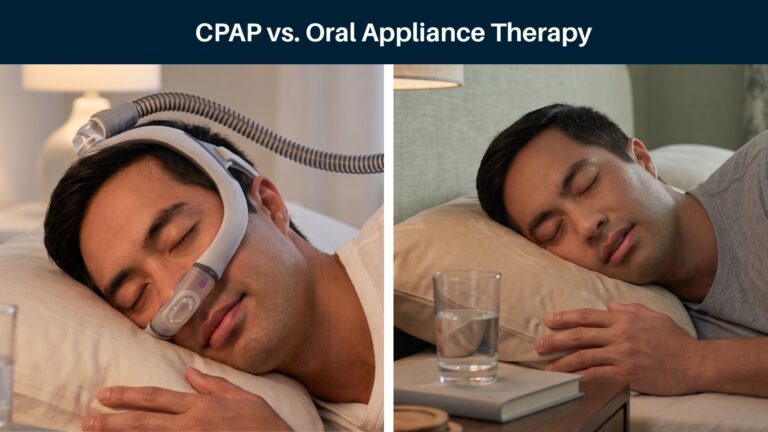
The same research that links untreated sleep apnea to cognitive problems also shows that treatment can make a real difference. Studies have found that consistent treatment — most commonly with CPAP therapy, which gently keeps the airway open during sleep — can improve attention, memory, and mental sharpness, sometimes within a few months.
In other words, brain fog caused by sleep apnea isn’t necessarily something you’re stuck with. When you treat the root problem and your brain finally starts getting the deep, oxygen-rich sleep it needs, many people notice they feel clearer, more focused, and less exhausted.
Recovery doesn’t look identical for everyone. Age, how long the sleep apnea went untreated, and other health conditions all play a role in how quickly and how fully things improve. But the pattern is consistent and encouraging: the sooner it’s addressed, the better the outlook. That’s a strong argument for not waiting.
Worth remembering:
Treating sleep apnea gives your brain its best chance to recover and helps guard against further decline. The earlier you act, the more there is to gain.
Ready to find out what’s behind your brain fog? Getting started takes just a few minutes.
Is It Brain Fog — or Something Else?
Because brain fog has so many possible causes, it can be tricky to know when sleep is the culprit. You don’t have to figure that out alone, but there are some clues that make a sleep-related breathing problem more likely.
The table below can help you sort everyday tiredness from patterns worth getting checked. It can’t diagnose anything — only a sleep test can do that — but it can help you decide whether a conversation with a professional makes sense.
| Sign or situation | Common, not usually sleep apnea on its own | More concerning for possible sleep apnea |
|---|---|---|
| Occasional forgetfulness | Happens to everyone | More concerning if constant and worsening |
| Trouble focusing after a poor night | Common | More concerning if it persists most days |
| Feeling foggy in the morning | Can follow any bad sleep | More concerning with loud snoring or breathing pauses |
| Daytime sleepiness | Can follow late nights or stress | More concerning when persistent despite enough time in bed |
| Loud snoring most nights | Not always sleep apnea | Common warning sign |
| Witnessed breathing pauses | Not typical of ordinary tiredness | Important reason to seek assessment |
| Waking with headaches or dry mouth | Can have many causes | Relevant when paired with other symptoms |
Notice the pattern: fog on its own is common. Fog plus snoring, breathing pauses, or unrefreshing sleep is the combination that points toward getting tested.
When Should You Consider a Sleep Apnea Test?
Consider talking to a healthcare professional about a sleep test if you experience several of the following:
- Persistent brain fog, forgetfulness, or trouble concentrating
- Feeling tired or unrefreshed even after a full night in bed
- Loud or frequent snoring
- Breathing pauses, gasping, or choking noticed by a partner
- Morning headaches or waking with a dry mouth
- Irritability or noticeable changes in mood
- Daytime sleepiness that affects your work, driving, or daily life
You don’t need to have every symptom on this list. Some people mainly notice mental fog and fatigue with no memory of anything happening overnight — which is exactly why a partner’s observations, or an objective test, can be so useful.
More foggy and forgetful than you used to be?
If your symptoms include snoring, breathing pauses, or unrefreshing sleep, a sleep test can help clarify whether sleep apnea is part of the picture.
Why Testing Is Easier Than You Think

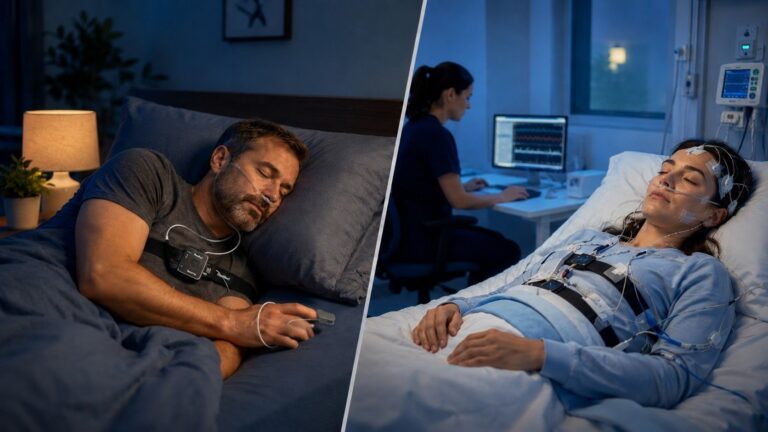
If the idea of a “sleep test” brings to mind wires, a lab, and a night away from your own bed, we have good news. For many people, testing can be done at home, in your own bed, using a small device designed to be simple to set up. It records information about your breathing while you sleep, and then you return it so the results can be reviewed.
At Snore MD, you’re not handed a device and left to figure out the rest. Our care team walks you through how the test works, reviews your results with you in plain language, and helps you understand what — if anything — is recommended for your situation. If treatment makes sense, we’ll talk through options that fit your lifestyle, not just a one-size-fits-all plan. And because cost and coverage are a common worry, our team also helps with insurance coordination so that piece feels less overwhelming.
The whole point is to take the guessing out of it. Instead of wondering whether your brain fog is “just stress” or something more, you get real answers — and a team to help you act on them.
Don’t Wait for the Fog to Lift on Its Own
Brain fog is easy to normalize. We tell ourselves we’re just tired, just busy, just getting older — and we reach for another coffee and push through. But if the cause is untreated sleep apnea, pushing through doesn’t fix it, and the research suggests the cost of ignoring it can add up over time.
The reassuring truth is that this is one of the more fixable pieces of the puzzle. Identifying sleep apnea and treating it can help many people think more clearly, feel less exhausted, and protect their long-term brain health. The first step is simply finding out what’s happening while you sleep.
Stop guessing about your brain fog. A sleep test can help determine whether sleep apnea is contributing to your memory, focus, or fatigue — and our team is here to help at every step.
→ Book a Sleep Test | Learn about our sleep test | Find a clinic in BC or Alberta
Frequently Asked Questions About Sleep Apnea and Brain Fog
Yes. When breathing is repeatedly interrupted during sleep, the brain gets less oxygen and misses out on deep, restorative rest. Over time, this can lead to the memory, focus, and mental-clarity problems people describe as brain fog. If your fog comes with snoring, breathing pauses, or unrefreshing sleep, it’s worth discussing with a professional.
For many people, yes. Research has found that consistent treatment can improve attention, memory, and mental sharpness, sometimes within months. How much and how quickly things improve varies from person to person, but treating the root cause gives your brain the best chance to recover.
Not necessarily. Long-untreated sleep apnea has been linked to lasting changes, but studies show many people see meaningful improvement — and in some cases reversal of symptoms — once it’s treated. Earlier treatment generally means a better outlook, which is why it’s worth acting sooner rather than later.
You can’t tell from the fog alone, since it has many possible causes. The stronger clues are the things that happen around your sleep: loud snoring, witnessed breathing pauses, gasping, morning headaches, and feeling exhausted despite enough time in bed. A sleep test is the clearest way to find out whether sleep apnea is involved.
Often, no. Many people can complete a home sleep test in their own bed using a simple, easy-to-set-up device. Your Snore MD clinic team explains how it works, reviews your results with you, and helps with next steps — including treatment options and insurance coordination. Call your local Snore MD clinic to confirm how their testing works.
Ready to Clear the Fog?
A simple sleep test can help you find out whether sleep apnea is behind your brain fog — and give your brain the chance to recover.