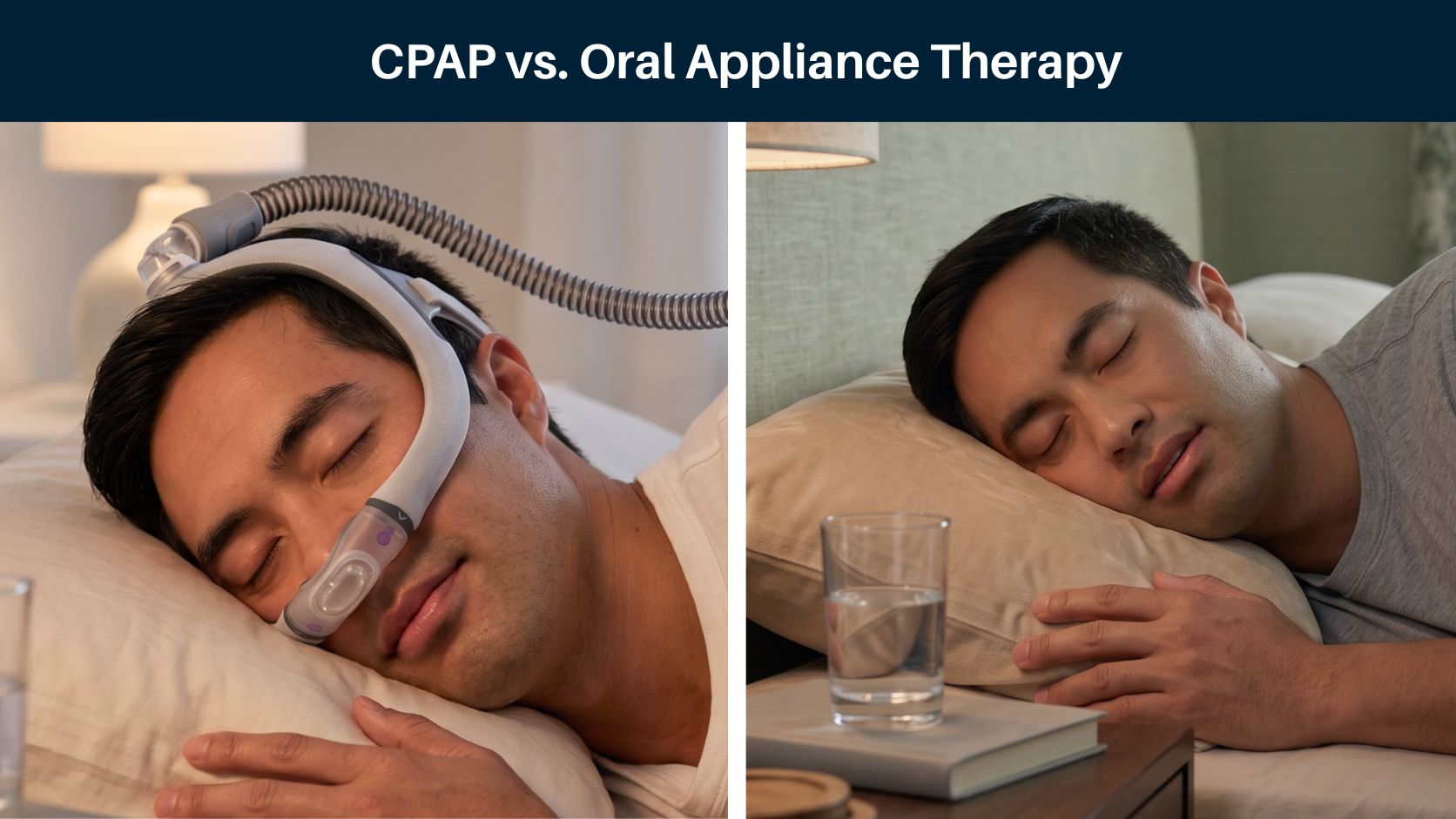
CPAP vs. Oral Appliance Therapy

CPAP vs. Oral Appliance Therapy

CPAP or Oral Appliance? Choosing the Right Sleep Apnea Therapy

Written by: Snore MD Editorial Team

Medically reviewed by: Michael Davis, Registered Respiratory Therapist, Polysomnographic Technologist and Snore MD Clinical Director

If you’ve been diagnosed with sleep apnea—or you suspect it—you’ve probably come across two names again and again: CPAP therapy and oral appliance therapy. They’re the two most common ways to treat obstructive sleep apnea, and it’s natural to want the one that feels least disruptive to your nights.

Here’s what matters before you choose: these therapies aren’t simply two versions of the same thing. They work differently, suit different people, and perform differently depending on how severe your sleep apnea is. CPAP is the most effective and widely recommended treatment for obstructive sleep apnea, while oral appliance therapy can be a suitable option for some people—often those with mild to moderate sleep apnea, or those who can’t tolerate CPAP.

Below, we break down how each therapy works, who it tends to suit, and why the most reliable way to choose is to start with a diagnosis rather than a preference.

What Sleep Apnea Therapy Is Actually Treating

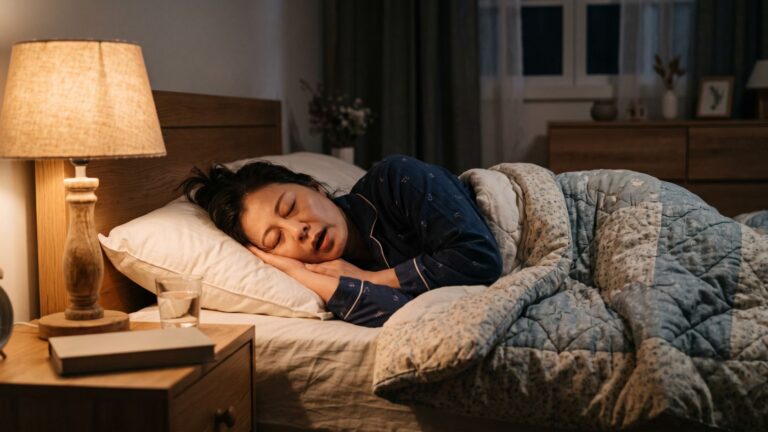
Obstructive sleep apnea (OSA) happens when the upper airway repeatedly narrows or collapses during sleep, briefly interrupting breathing. These pauses can occur many times an hour, fragmenting rest and, over time, contributing to daytime fatigue and other health effects—even when you don’t remember waking.

Any effective sleep apnea therapy has to address that underlying airway problem, not just the noise of snoring. That’s the lens for comparing CPAP and oral appliances: not “which is more convenient,” but “which keeps your airway open through the night, given your diagnosis.” The severity of your OSA, measured through testing, is one of the biggest factors in that decision.

CPAP Therapy

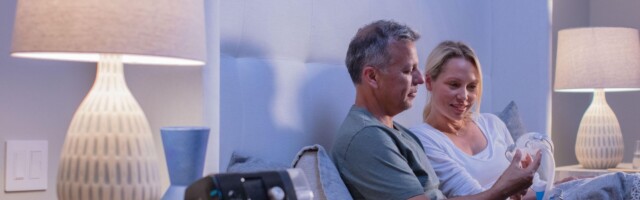
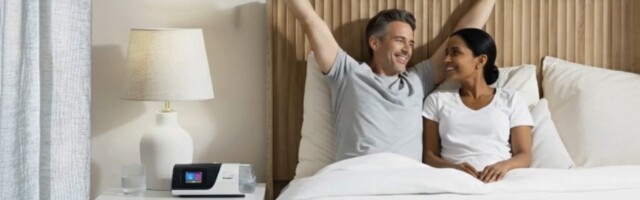
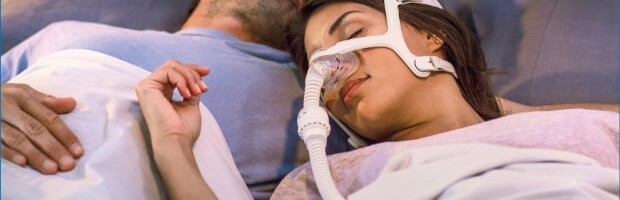
CPAP (continuous positive airway pressure) is the most established treatment for obstructive sleep apnea. A small bedside machine delivers a steady stream of air through a mask, gently keeping the airway open so breathing isn’t repeatedly interrupted overnight.

hero slide 4 scaled 1.jpg

How it works and who it's for:

CPAP is generally recommended for moderate to severe OSA, and it's often the first-line option because it's highly effective when used consistently. You can read more about how CPAP therapy works and what to expect.
videoframe 0 1.jpg

Benefits

It directly addresses the mechanism of OSA, works across a wide range of severity, and can substantially reduce the breathing interruptions that fragment sleep.
shop 2 2.jpg

Limitations

Some people need time to adjust to the mask or airflow, and it requires nightly use plus routine maintenance. Comfort and fit largely determine whether people stick with it—which is why follow-up support matters so much.
airmini autoset travel cpap 38113 2.png

A common misconception

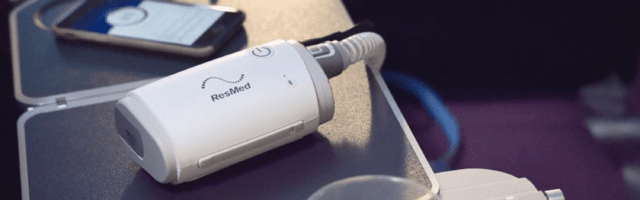
that CPAP is bulky, loud, or old-fashioned. Modern machines are quieter and smaller, mask options have expanded considerably, and many people who struggled early on do far better once fit and settings are dialed in. For moderate to severe OSA, CPAP remains the standard against which other therapies are measured.
oral appliance osa

Oral Appliance Therapy

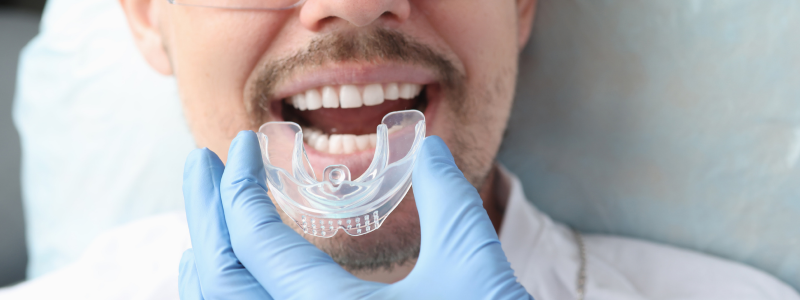
An oral appliance is a custom-fitted device, similar to a mouthguard, worn during sleep. It works by holding the lower jaw slightly forward, which helps keep the airway open.

Who may benefit: Oral appliances can suit people with mild to moderate OSA, and those who can’t tolerate CPAP. They’re quiet, compact, and easy to travel with.

Advantages: No machine, no mask, no electricity—many people find them comfortable and easy to use consistently, which can help with sticking to therapy over the long term.

Limitations: They’re generally less effective than CPAP for moderate to severe OSA, and they aren’t right for everyone. Jaw or dental conditions can affect suitability, and some people notice jaw discomfort or bite changes over time.

Why fitting matters: An effective oral appliance is custom-made and adjusted by a qualified professional, with follow-up to confirm it’s working. An off-the-shelf drugstore device isn’t the same thing and may do little for OSA. Because results vary, an oral appliance should be chosen based on your diagnosis—not assumed to be a universal CPAP substitute.

The right therapy depends on what your sleep test actually shows.

CPAP vs. Oral Appliance: How They Compare

Feature
CPAP
Oral Appliance

Best for

Moderate to severe OSA

Mild–moderate OSA; CPAP intolerance

Treats sleep apnea

Yes

Yes, milder cases

How it works

Air pressure keeps the airway open

Repositions the jaw to hold the airway open

Effectiveness

Highly effective across severities when used consistently

Effective for some; often less so in severe cases

Comfort

Improves with mask fit and machine adjustment

Generally well tolerated; possible jaw/dental effects

Portability

Portable and travel models exist

Very portable

Requires ongoing use

Yes, nightly

Yes, nightly

Requires professional assessment

Yes

Yes

Feature
CPAP
Oral Appliance

Best for

Moderate to severe OSA

Mild–moderate OSA; CPAP intolerance

Treats sleep apnea

Yes

Yes, milder cases

How it works

Air pressure keeps the airway open

Repositions the jaw to hold the airway open

Effectiveness

Highly effective across severities when used consistently

Effective for some; often less so in severe cases

Comfort

Improves with fit and adjustment

Generally well tolerated; possible jaw/dental effects

Portability

Bulkier; travel models exist

Very portable

Requires ongoing use

Yes, nightly

Yes, nightly

Requires professional assessment

Yes

Yes

Who each treatment is best for
  • CPAP — the best-supported option for confirmed moderate to severe obstructive sleep apnea.
  • Oral appliance — worth discussing for mild to moderate OSA, or when CPAP isn’t tolerated.

Myth vs. Fact
Myth: “An oral appliance is just an easier version of CPAP.”
Fact: They treat the same condition differently, and they don’t perform equally across all cases. For moderate to severe OSA, CPAP is typically more effective—which is why the choice should follow a diagnosis, not a preference.

Which Treatment Is Right for You?

There’s no single “best” therapy—only the one that fits your situation. The right choice depends on your diagnosis and its severity, your airway and dental anatomy, your symptoms, your lifestyle and travel needs, and your broader medical history. A professional assessment weighs these together.

It’s also worth resisting the pull of whichever option sounds most convenient. A device-free or lower-effort choice is appealing, but it doesn’t help if it leaves moderate or severe sleep apnea under-treated. The goal isn’t the easiest therapy—it’s the one that actually keeps your breathing steady while you sleep.

If you’ve tried CPAP before and struggled, that’s worth raising too. Many early difficulties—mask fit, pressure, dryness—are solvable with the right support before switching therapies entirely. You can learn more about starting CPAP therapy and what makes it easier to stick with.

blog heros (1)

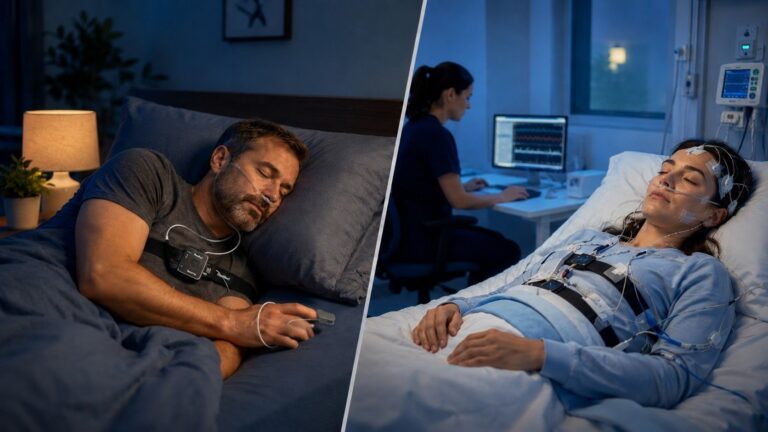
Why a Home Sleep Test Comes First

Both of these therapies depend on the same starting point: knowing what you’re treating and how severe it is. Many people assume their sleep apnea is mild when testing shows otherwise—or worry it’s severe when it turns out to be manageable. That distinction directly shapes which therapy is appropriate.

Objective testing removes the guesswork. It measures what’s actually happening to your breathing overnight, letting a clinician recommend the most appropriate pathway rather than defaulting to whichever therapy you happened to read about first.

Here’s the sequence that leads to the right treatment:

Sleep Test → Diagnosis → Appropriate Therapy

You can also read about what a sleep assessment involves to see how results turn into a plan.

Frequently Asked Questions About Oral & CPAP Therapy

For moderate to severe obstructive sleep apnea, CPAP is generally more effective and is considered the standard treatment. Oral appliances can work well for milder OSA or for people who can’t tolerate CPAP. The better choice depends on your diagnosis and severity, which a sleep test helps determine.

Sometimes, but not always. For mild to moderate OSA, or for people who can’t tolerate CPAP, a custom oral appliance may be an appropriate alternative. For moderate to severe OSA, CPAP is typically more effective. A clinician can advise whether an oral appliance suits your situation.

There’s no universal answer. CPAP is most effective for moderate to severe OSA, while oral appliances suit many milder cases. Matching the therapy to an accurate diagnosis is what makes it effective.

Many early CPAP difficulties come down to mask fit, pressure settings, or dryness, and can often be resolved with follow-up support. If CPAP still isn’t a fit after that, an oral appliance may be worth discussing with a clinician—based on your diagnosis.

In almost all cases, yes. A sleep test identifies whether your symptoms come from obstructive sleep apnea and how severe it is—and that diagnosis determines which therapies are appropriate. A referral is required to proceed, and for patients without a family doctor, Snore MD can coordinate a virtual physician consultation.

Not Sure Which Treatment Is Right for You?

Choosing a therapy starts with understanding what’s causing your symptoms and how severe it is. A sleep test can help determine whether CPAP, an oral appliance, or another option may be appropriate.

Book a Sleep Test

Written by: Snore MD Editorial Team

Medically reviewed by: Michael Davis, Registered Respiratory Therapist, Polysomnographic Technologist and Snore MD Clinical Director

Related Articles

Related Articles