More Tired or Snoring More This Summer? It May Be Time to Get Tested
Written by: Snore MD Editorial Team
Medically reviewed by: Michael Davis, Registered Respiratory Therapist, Polysomnographic Technologist and Snore MD Clinical Director
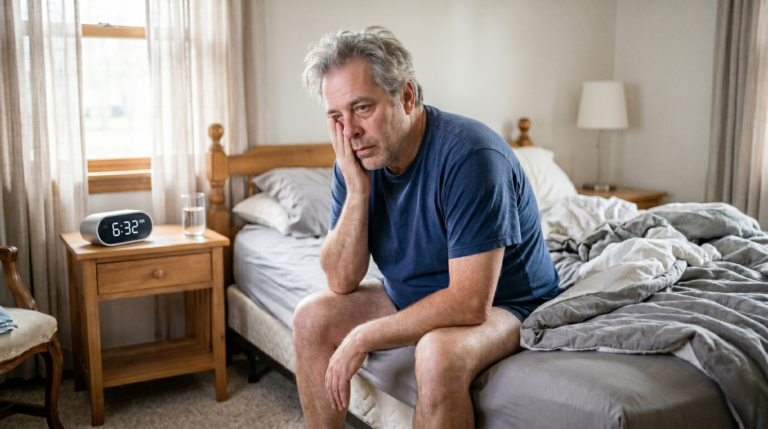
Hot nights, seasonal congestion, travel, and disrupted routines can all make restful sleep harder to achieve. You might wake groggy, notice louder snoring, or hear from your partner that your breathing seems different.
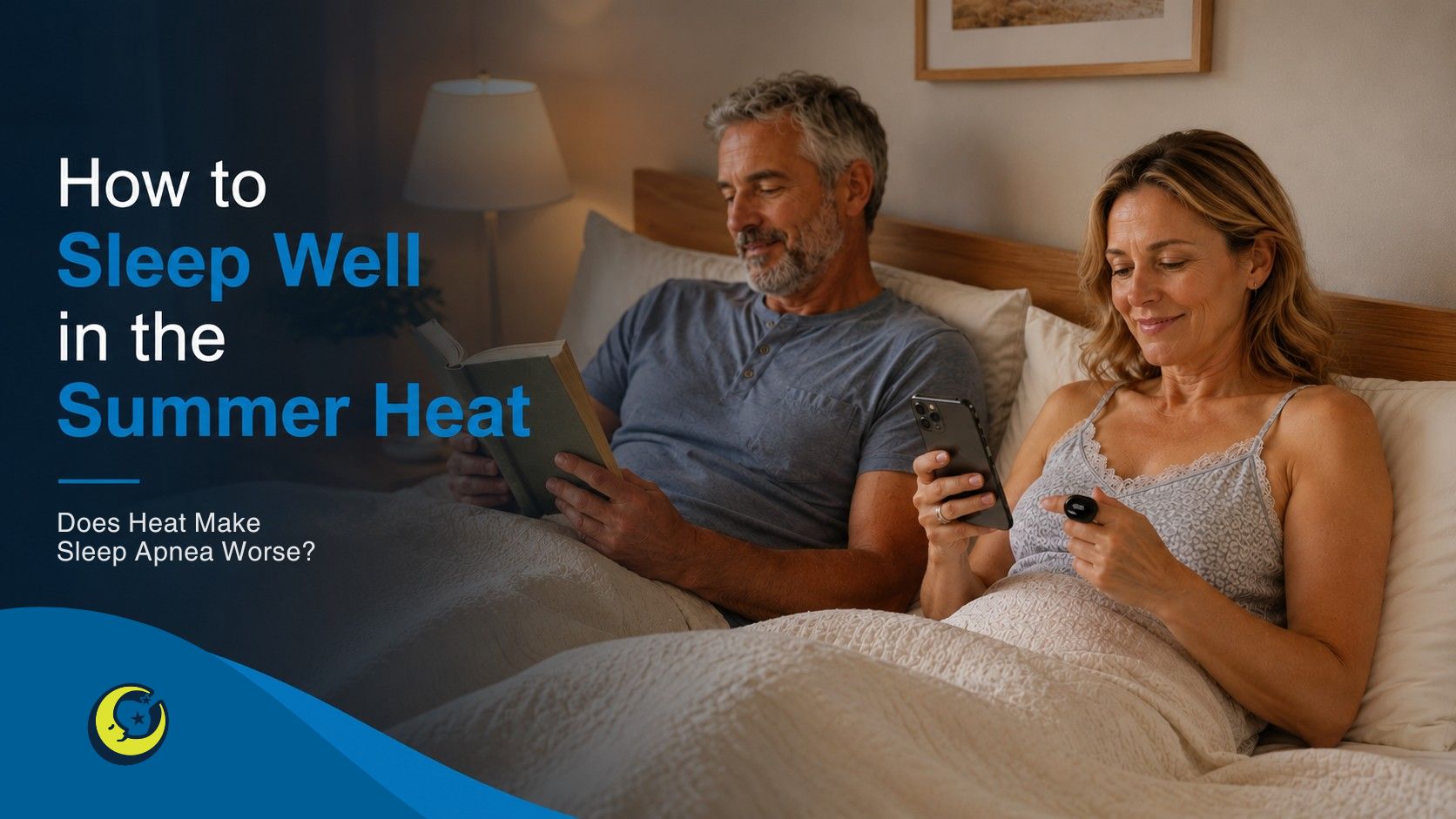
Does sleep apnea only appear in summer? Usually, no — it isn’t a seasonal condition that switches on and off with the weather. But summer can disrupt sleep, make existing symptoms more noticeable, or add another layer of fatigue to an undiagnosed breathing problem. Observational research has also found an association between higher ambient temperatures and a greater likelihood of obstructive sleep apnea on a given night. That doesn’t mean heat causes sleep apnea, but it’s a reason to pay attention when breathing and sleep symptoms seem worse in hot weather.
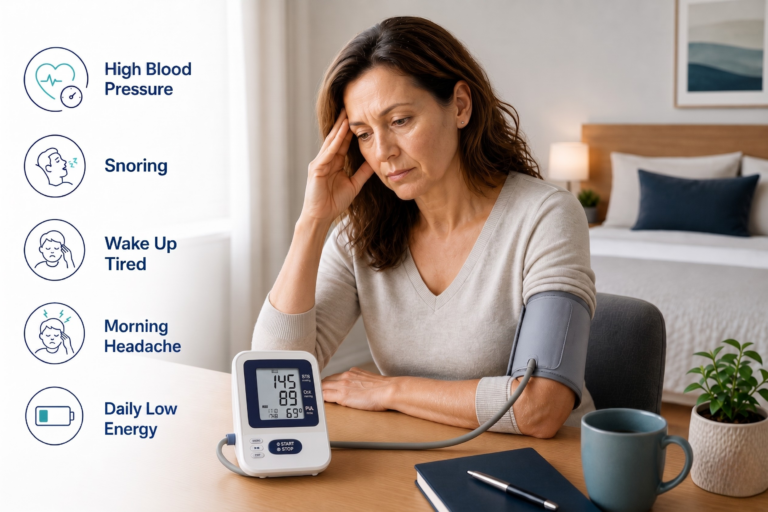
If you’re snoring frequently, waking unrefreshed, or experiencing gasping, choking, breathing pauses, morning headaches, or daytime sleepiness, summer can be a practical time to stop guessing and ask whether sleep apnea testing is appropriate.
Can Sleep Apnea Be Worse in the Summer?
Sleep apnea doesn’t usually exist in only one season. But symptoms can feel worse — or become easier to recognize — when heat, congestion, and disrupted schedules pile onto an underlying breathing problem.
Obstructive sleep apnea happens when the upper airway becomes blocked or narrowed repeatedly during sleep. These interruptions can occur many times a night and prevent restorative rest, even when you don’t remember waking. Summer can change how you experience that: a warm bedroom makes sleep lighter and more fragmented; seasonal allergies and congestion make nasal breathing harder and can increase snoring; travel shifts your schedule and sleeping position; social events push bedtimes later or add alcohol close to sleep; and heat-related fatigue makes daytime sleepiness more obvious.
None of this proves sleep apnea is present, and nasal congestion alone doesn’t confirm it either. But these factors can make an unresolved problem harder to ignore. HealthLink BC identifies changing or frequent snoring, gasping, and pauses in breathing as signs of sleep apnea that help distinguish it from simple snoring — and those signs matter more than the temperature.
Not all snoring is sleep apnea—but loud or persistent snoring combined with breathing pauses, gasping, choking, or daytime symptoms should be assessed.
What About Wildfire Smoke?
Summers across BC and Alberta increasingly bring wildfire smoke, and poor air quality is one more thing that can make breathing and sleep harder. Smoke can irritate your airways, worsen congestion, and disrupt sleep — and while it doesn’t cause sleep apnea, it can make existing symptoms more noticeable. On heavy-smoke nights, keeping windows and doors closed and running an air purifier or your HVAC fan can help keep bedroom air cleaner. If you use CPAP, you may also need to replace your filter more often.
If wildfire smoke is affecting your area, check your CPAP filter every week instead of waiting for your normal replacement schedule. Smoke particles can clog filters quickly, reducing airflow and affecting your therapy. Replace the filter whenever it appears dirty or discoloured, and keep windows closed or use an air purifier indoors whenever possible.
For a closer look at how smoke and air quality affect sleep — including tips for CPAP users — read our guide on wildfire smoke, air quality, and sleep.
Why Summer Fatigue Can Be Confusing
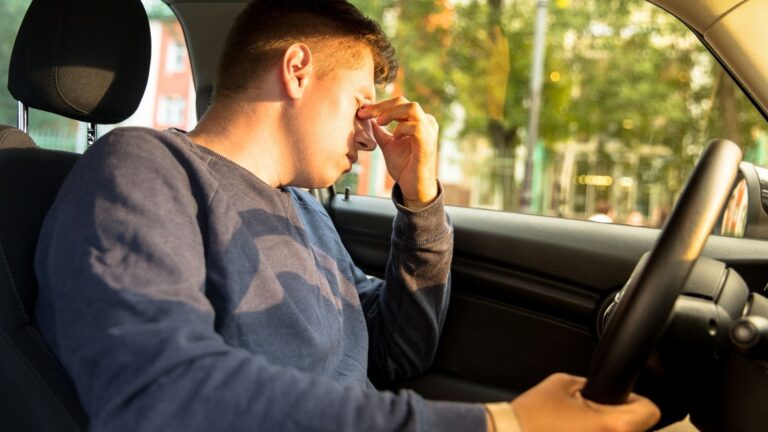
Summer tiredness has many possible explanations: hot nights, longer daylight, vacations, late events, alcohol, travel, kids out of school, and shifting work schedules can all interfere with a consistent routine. You may feel exhausted because your environment or habits changed — not because you developed sleep apnea.
At the same time, those disruptions can reveal a pattern that was already there. Warning signs worth noticing include staying exhausted even after a cooler, quieter night; snoring loudly regardless of room temperature; waking with headaches or a dry mouth; falling asleep unintentionally during the day; or a partner noticing gasping or pauses in your breathing.
So the useful question isn’t “Is the heat making me tired?” It’s “Are there signs my breathing is being repeatedly disrupted while I sleep?”
There’s no standard diagnosis of sleep apnea that exists only in summer and disappears in winter. But severity and symptoms can vary night to night — sleep position, alcohol, congestion, medications, weight, and environment all play a role. If your symptoms seem strongly seasonal, tell the healthcare professional reviewing your case when they occur, whether heat or congestion is involved, what your partner observes, whether they ease in another season, and whether anything about your health or habits has changed.
What if a Previous Sleep Test Was Negative?
A previous negative test doesn’t mean every future symptom is sleep apnea — and it doesn’t mean persistent or changing symptoms should be ignored.
A sleep test captures information during a defined period, and results have to be read alongside your symptoms, medical history, and the type and quality of the study. HealthLink BC describes a sleep test as the way to establish whether sleep apnea is present, and notes testing may be considered when someone is very tired during the day or has other relevant symptoms.
Talk to a qualified healthcare professional if your symptoms have changed since the last test, the earlier study may not have captured a typical night, a partner still observes breathing pauses, you remain excessively sleepy, or your symptoms affect driving, work, or daily safety. The right next step might be repeat testing, a different type of study, or investigation of another cause — not every negative result needs repeating.
Safety note: Someone who is dangerously sleepy should not drive or operate machinery. HealthLink BC specifically advises against driving while drowsy.
Why Summer Is a Practical Time to Test
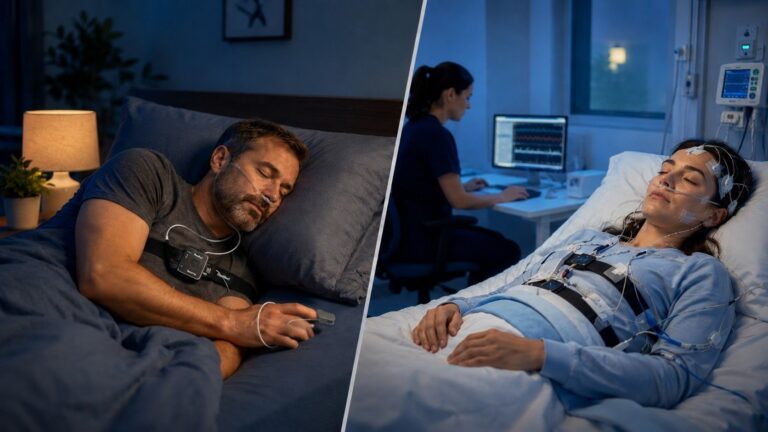
Summer isn’t medically superior to other seasons — the best time to seek help is when symptoms are present and you’re ready to act. But summer can be a practical moment for a few reasons: heat, congestion, and disrupted sleep make symptoms easier to notice; vacations and shared accommodations mean a partner may observe your snoring or breathing pauses for the first time; testing can separate heat-related restlessness from a genuine breathing problem using objective information rather than apps or impressions; and starting now helps you avoid carrying unresolved fatigue into a busier fall. Where clinically appropriate, a home sleep apnea test may also let breathing information be recorded in your usual environment.
Summer Sleep Disruption vs Possible Sleep Apnea
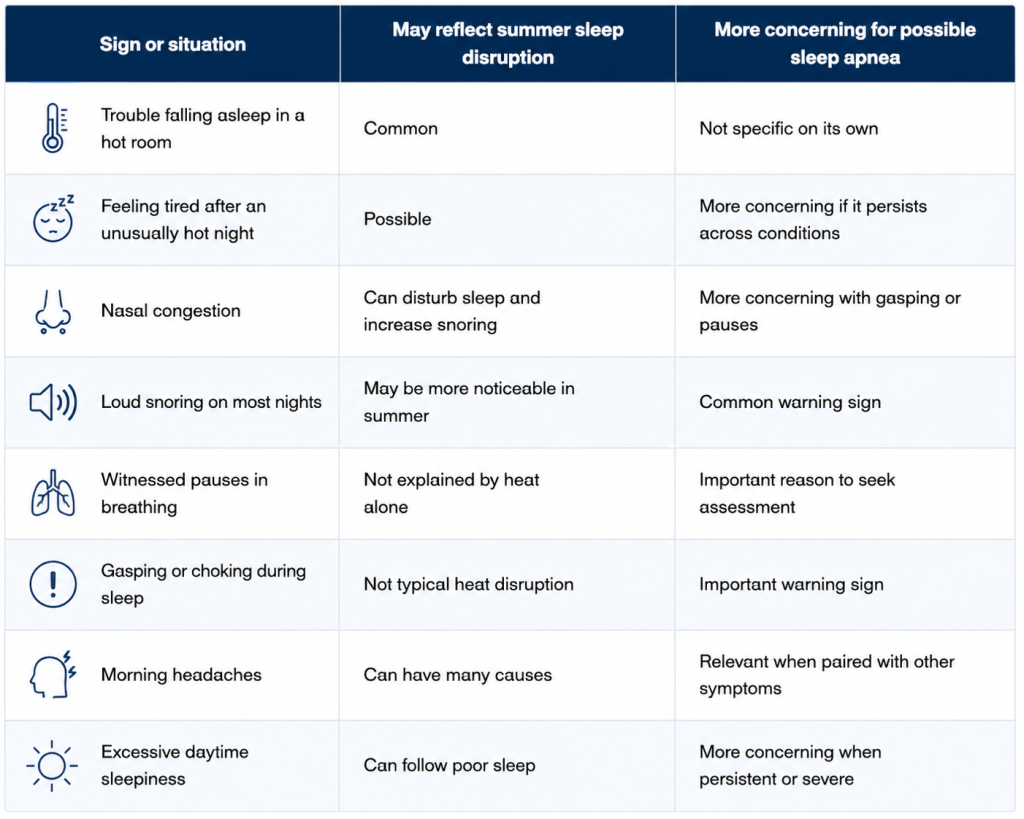
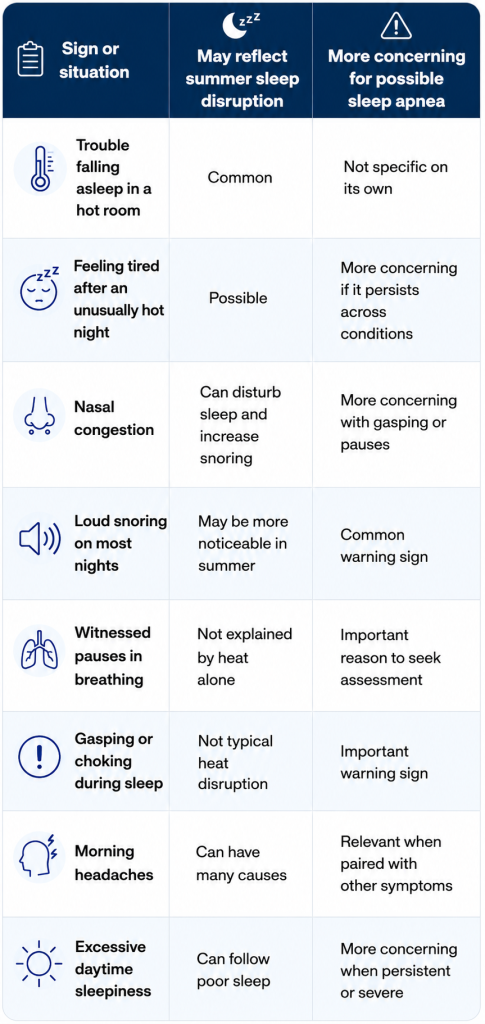
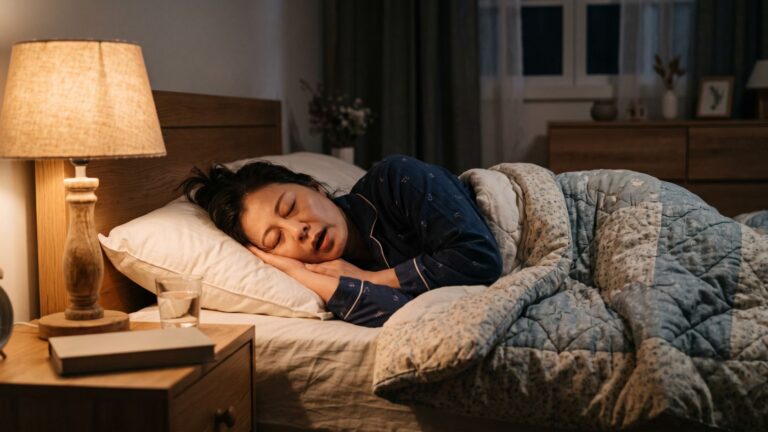
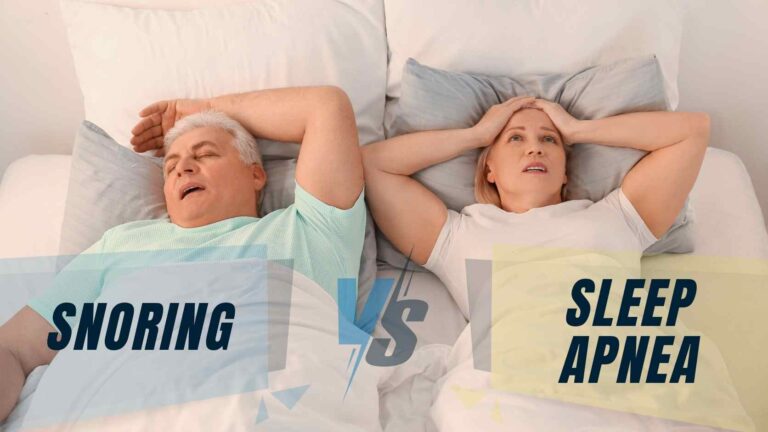
Heat and humidity can make sleep uncomfortable, but they shouldn’t be used to dismiss repeated breathing pauses, gasping, choking, or habitual loud snoring.
When Should You Consider a Sleep Apnea Test?
Consider discussing testing with a healthcare professional if you experience:
- Loud or frequent snoring
- Breathing pauses observed by a partner
- Gasping, choking, or snorting during sleep
- Persistent daytime sleepiness
- Morning headaches or waking with a dry mouth
- Poor concentration or irritability
- Unrefreshing sleep despite enough time in bed
- Symptoms that affect driving, work, or daily safety
- Summer symptoms that keep returning or persist in cooler conditions
What Can You Do While You Wait for an Assessment?
The goal is a more comfortable sleep environment — not to assume environmental changes treat sleep apnea. Keep the bedroom comfortably cool, follow a consistent sleep and wake schedule, notice whether alcohol near bedtime worsens snoring, ask a partner to note gasping or pauses, and record when symptoms occur and whether heat or congestion is present. Bring details of any previous sleep tests to your appointment.
Don't Wait for Another Season if Warning Signs Are Present
You don’t need to wait for summer to get tested, and you don’t need to wait for winter to see whether symptoms disappear. If your partner observes breathing pauses, you wake gasping, or daytime sleepiness is affecting your safety or daily life, the time to seek guidance is now. Summer simply offers a useful moment to act — while symptoms are noticeable, and before another season of poor sleep passes.
Frequently Asked Questions About Summer Sleep Apnea and Testing
Why am I so tired in the summer even after sleeping?
Summer fatigue has many possible causes — hot nights, longer daylight, travel, alcohol, and disrupted routines can all leave you tired even after a full night in bed. But if the tiredness sticks around despite enough sleep, and comes with loud snoring, morning headaches, or breathing pauses your partner notices, it may point to a sleep-related breathing problem rather than the season alone. Persistent, unrefreshing sleep is worth discussing with a healthcare professional.
Can hot weather cause sleep apnea?
Not directly. Heat can disturb sleep, and research has found an association between higher temperatures and greater nightly OSA likelihood, but symptoms should be assessed on the complete pattern rather than temperature alone.
Can you have "seasonal" sleep apnea?
Sleep apnea isn’t classified as a summer-only condition, but severity varies, and heat, congestion, sleep position, alcohol, and disrupted routines can all make it feel worse in summer.
Can allergies make symptoms worse?
Congestion can disturb sleep and increase snoring, but it doesn’t prove sleep apnea. Congestion combined with gasping, breathing pauses, and persistent fatigue is worth discussing with a professional.
Does poor air quality affect sleep test results?
Wildfire smoke or poor air quality can disturb your sleep on a given night, but it doesn’t invalidate a sleep test — the test measures breathing events regardless of what’s happening in the air around you. If anything unusual affected the night you tested, such as heavy smoke or significant congestion, mention it to the clinic team so your results can be read in context. You don’t need to wait for the air to clear to get tested if your symptoms warrant it.
How long does a home sleep test take?
It depends on the location and the device used. In BC, the home sleep test is typically recorded over two nights in your own bed. Some Alberta clinics use a finger-clip device that records over a single night. Either way, the device is designed to be simple to set up at home, and you return it afterward so the results can be reviewed. The full process — from booking to getting your results explained — varies by clinic, so it’s best to call your local Snore MD clinic to confirm how their test works and what to expect.
Written by: Snore MD Editorial Team
Medically reviewed by: Michael Davis, Registered Respiratory Therapist, Polysomnographic Technologist and Snore MD Clinical Director