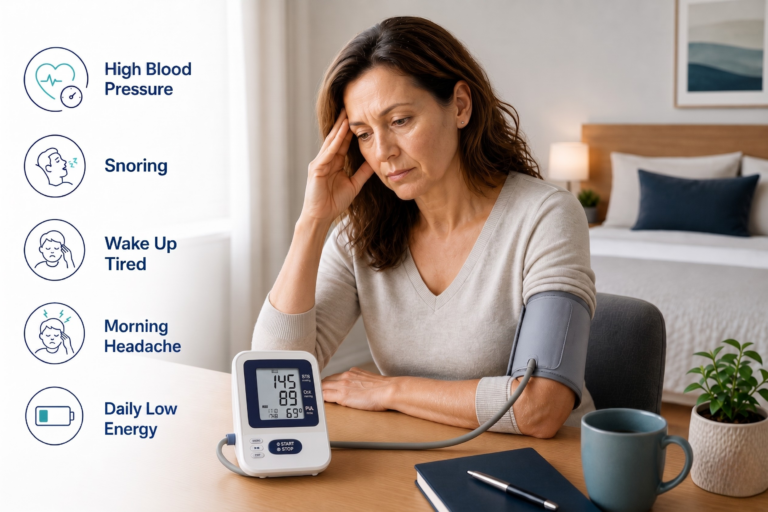

Getting Back to Routine: Sleep Apnea and Fall Energy Slumps

The alarm goes off earlier again. School runs, work deadlines, evening activities — after the looser pace of summer, fall asks a lot of your energy all at once. And for many people, that’s exactly when a quiet, dragging tiredness starts to settle in.
Some of that is just the season. Shorter days, cooler mornings, and a packed calendar can leave anyone feeling flat. But if you’re getting a full night in bed and still waking up unrefreshed — reaching for extra coffee, fading by mid-afternoon, snapping at people you love — it’s worth asking whether something more than the season is behind it.
A fall energy slump doesn’t mean you have sleep apnea. But the return to routine can make an underlying sleep problem much easier to notice, because suddenly your tiredness has real consequences again. This is a good moment to stop guessing and start paying attention to what your body is telling you.
Why Fall Wears You Down
Fall changes a lot of small things at once, and they add up.
The days get shorter, so you’re getting less natural light — and light is one of the biggest signals your body uses to regulate its sleep-wake rhythm. Mornings feel darker and harder. Routines tighten: earlier wake-ups, fuller schedules, and less flexibility to sleep in or nap the way you might have in July. Indoor heating kicks on and dries out the air, which can leave you with a stuffy nose or dry throat overnight. Fall allergens like mould and ragweed can add congestion that makes breathing through your nose harder while you sleep.
None of this is unusual, and none of it means something is wrong. Your environment and your habits changed, so your energy changed with them. Most people adjust within a couple of weeks.
The useful question isn’t “Is fall making me tired?” — of course it can. It’s “Am I still exhausted even after a solid night’s sleep?” That second question is the one worth sitting with.
When a Fall Slump Might Be Something More
Here’s the part many people miss: summer often hides sleep problems, and fall exposes them.
Over the summer, a flexible schedule lets you paper over poor sleep. You sleep in on a Saturday, take it easy on vacation, and never really feel the full cost of a rough night. When fall arrives and every morning has a hard start time, that cushion disappears. The same tiredness that was easy to shrug off in August suddenly makes it hard to focus at work or stay patient with your kids.
That’s why fall is when a lot of people first say out loud, “Why am I so tired all the time?” The season didn’t create the problem — it just removed the room you had to ignore it.
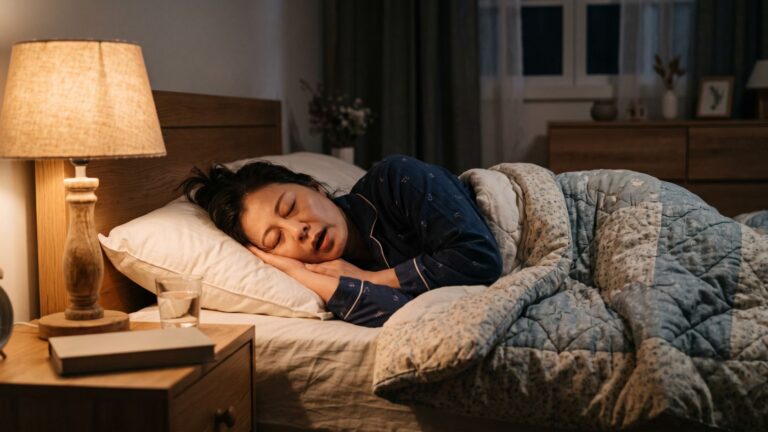
Obstructive sleep apnea is one common cause of that stubborn, unrefreshing fatigue. It happens when the airway repeatedly narrows or closes during sleep, briefly interrupting your breathing — sometimes dozens of times an hour — without you ever remembering waking. Your body never settles into deep, restorative sleep, so you can spend eight hours in bed and still wake up drained. Most people have no idea it’s happening.

Feeling tired after a busy fall day is normal. Waking up exhausted after a full night in bed, night after night, is a reason to look closer.
Time in Bed Isn’t the Same as Rest
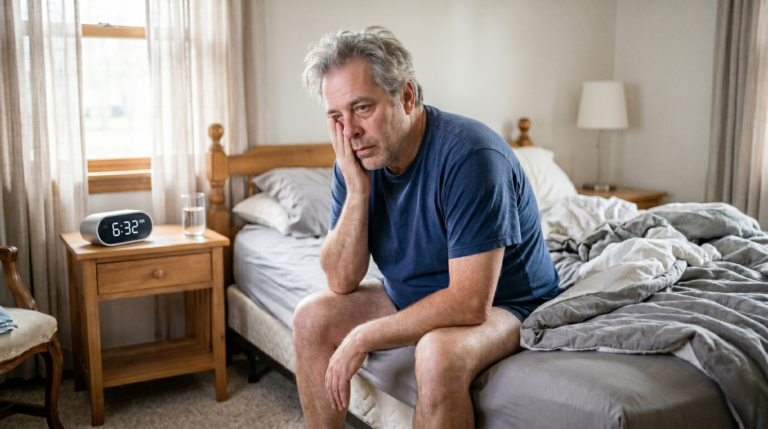
It’s one of the most common things we hear: “I sleep a full eight hours, but I’m still wiped out.”
The truth is that hours in bed and hours of real rest aren’t the same thing. If something keeps interrupting your sleep — like a breathing problem you can’t feel while it’s happening — you can technically be asleep all night and still never reach the stages your body needs to recover. You wake up feeling like you barely slept, because in the ways that matter, you didn’t.
That disconnect is exactly why fall fatigue can be so confusing. You did everything right. You went to bed on time. You got your eight hours. And you still feel like you’re moving through mud. When good sleep habits aren’t translating into good energy, the issue may be the quality of your sleep, not the quantity — and that’s something worth investigating.
Warning Signs Worth Noticing This Fall
As you settle back into routine, pay attention to whether your tiredness travels with other signs. On their own, most of these have everyday explanations. Together, they’re more worth discussing with a professional.
| Sign or situation | May just be a fall adjustment | More concerning for possible sleep apnea |
|---|---|---|
| Feeling tired after a late, busy day | Common | More concerning if it persists after good nights |
| Groggy on dark, early mornings | Common this time of year | More concerning when paired with loud snoring |
| Nasal congestion from heating or allergies | Can disturb sleep and increase snoring | More concerning with gasping or breathing pauses |
| Loud snoring on most nights | May be more noticeable in a quiet, cooler home | Common warning sign |
| Waking with headaches or a dry mouth | Can have many causes | Relevant when paired with other symptoms |
| Falling asleep unintentionally during the day | Can follow poor sleep | More concerning when it affects driving or work |
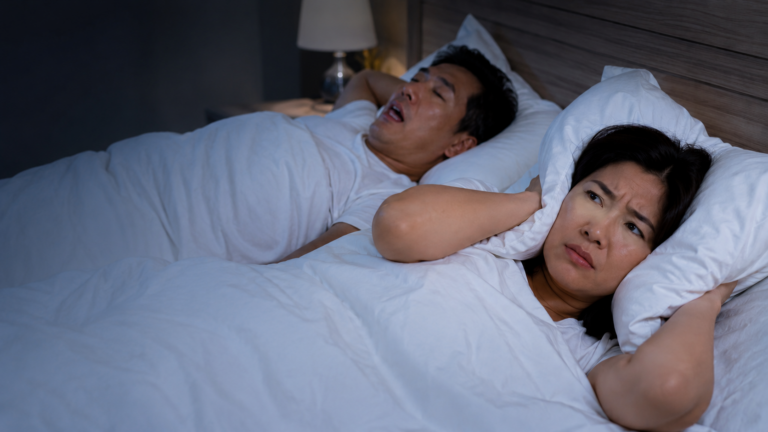
| A partner noticing you stop breathing | Not explained by the season | Important reason to seek an assessment |
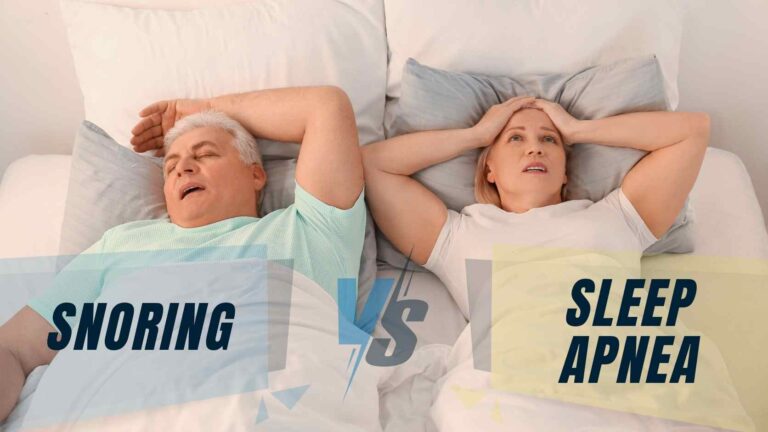
A shorter, darker season can absolutely make you tired. What it shouldn’t explain away is loud, habitual snoring, gasping or choking during sleep, or breathing pauses someone else has noticed. Those point to something worth checking regardless of the time of year.
The Back-to-Routine Advantage
Getting back into a rhythm has a hidden upside: it’s often when sleep problems finally become impossible to ignore — and a genuinely practical time to act.
A consistent schedule gives you a clearer baseline. When every morning starts the same way, you can actually tell the difference between “I stayed up too late” tiredness and “I slept plenty and still feel awful” tiredness. Fall also tends to bring people back under one roof and back into shared bedrooms after a scattered summer, so a partner may notice your snoring or breathing pauses for the first time in a while. And addressing it now means you head into the busy holiday stretch — and the long, dark winter — with your energy sorted rather than dragging an unsolved problem behind you.
Fall isn’t medically better than any other season for testing. The best time to get help is simply when symptoms are present and you’re ready to act. But if the return to routine has thrown your fatigue into sharp relief, that’s a reason to move, not to wait for it to pass.
Ready to find out what’s behind your fall fatigue? Getting started takes just a few minutes.
When Should You Consider a Sleep Apnea Test?

Consider talking to a healthcare professional about testing if you experience:
- Persistent daytime tiredness, even after enough time in bed
- Loud or frequent snoring
- Breathing pauses, gasping, or choking that a partner has noticed
- Waking with morning headaches or a dry mouth
- Trouble concentrating, low mood, or irritability
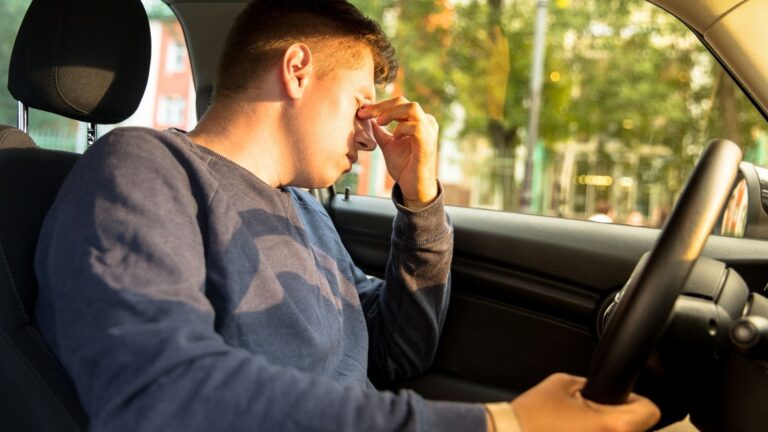
- Nodding off during the day, especially while driving or working
- Fatigue that sticks around even after you’ve settled into your fall routine
The Government of Canada identifies repeated breathing interruptions as the defining concern in sleep apnea, while HealthLink BC notes that not everyone who snores has it — the full pattern of symptoms is what matters. If several of these sound familiar, an assessment can help clarify what’s actually going on.
More tired than the season should explain?
If your fatigue comes with snoring, breathing pauses, gasping, or waking unrefreshed, a sleep test can help determine whether sleep apnea is involved.
Testing Is Easier Than You Think
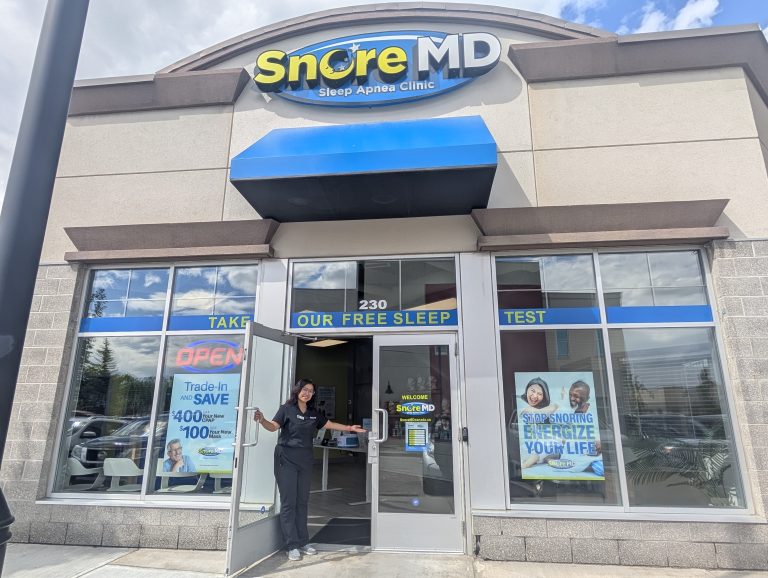
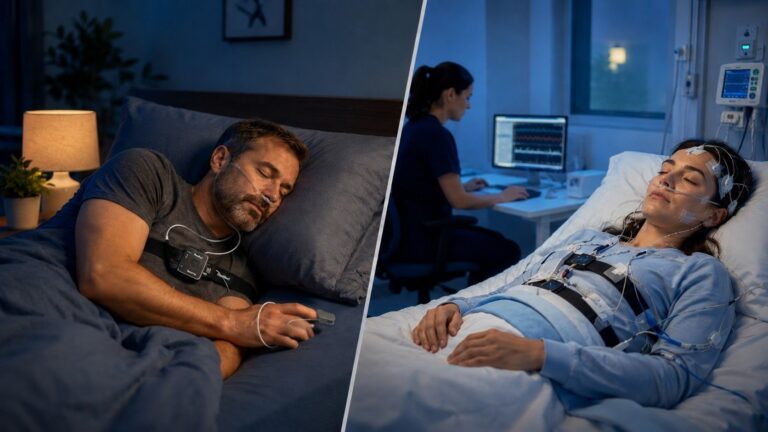
A lot of people put off getting answers because they picture an overnight stay in a lab, wires everywhere, and a complicated process. With Snore MD, it’s far simpler than that.
Your testing happens at home, in your own bed. You take a small device home, sleep as you normally would, and it records information about your breathing while you sleep. You return it, and our team reviews the results with you in plain language — no confusing charts, no guesswork left on your shoulders.
And you’re not on your own after that. If the results point to sleep apnea, our care team walks you through what’s next and helps you find a treatment approach that actually fits your life, not someone else’s idea of it. We help match equipment to your comfort and preferences, and we coordinate with your insurance so coverage is one less thing to figure out. Through our Care For Life program, support continues long after your first appointment — because getting answers is the start, not the finish. Learn how our home sleep test works.
What You Can Do While You Settle In
Whether or not you decide to get tested, a few simple habits can help you tell a fall adjustment apart from something more:
- Get morning light early in the day to help reset your body’s rhythm as the days shorten.
- Keep a consistent sleep and wake time — even on weekends — now that summer’s flexibility is gone.
- Notice whether alcohol close to bedtime makes your snoring or restlessness worse.
- Keep the bedroom cool and, if heating is drying out the air, consider a humidifier for easier breathing.
- Ask a partner to note any snoring, gasping, or pauses in your breathing.
- Jot down when your tiredness is worst and what else you notice — it’s useful information to bring to an appointment.
These steps make sleep more comfortable, but they don’t treat sleep apnea. If your fatigue and symptoms persist despite doing everything right, that’s your signal to get it looked at.
Don’t Let Another Season Slip By
It’s easy to tell yourself the tiredness will lift once you’re used to the new routine, or once the holidays are over, or once winter passes. But if your partner has noticed you stop breathing, you’re waking up gasping, or daytime sleepiness is affecting your focus, your mood, or your safety behind the wheel, the time to get clarity is now.
Sleep apnea is serious, and it doesn’t resolve on its own — but it’s very manageable once you know it’s there. Getting back to routine is the perfect moment to stop guessing about your energy and find out what’s really behind it.
Stop pushing through the fall slump. A sleep test can help determine whether sleep apnea is behind your fatigue, snoring, or restless nights — and our team makes the whole process easy.
→ Book a Sleep Test | Learn about our sleep test | Find a clinic in BC or Alberta
Frequently Asked Questions About Fall Fatigue and Sleep Apnea
Shorter days, less natural light, and a busier back-to-routine schedule can all leave you feeling flat in the fall. But if the tiredness sticks around despite a full night’s sleep — especially alongside loud snoring, morning headaches, or breathing pauses a partner notices — it may point to a sleep-related breathing problem rather than the season alone. Persistent, unrefreshing sleep is worth discussing with a healthcare professional.
Not directly. Sleep apnea isn’t a seasonal condition that switches on in the fall. But heating, congestion, allergens, and disrupted routines can make existing symptoms more noticeable, and the return to a strict schedule often makes fatigue harder to ignore.
Some adjustment tiredness is completely normal and usually settles within a couple of weeks. What’s less normal is waking up exhausted after enough sleep, night after night. If good sleep isn’t translating into good energy, the quality of your sleep may be the issue.
They can. Congestion from fall allergens or dry, heated air can disturb sleep and increase snoring — but congestion alone doesn’t confirm sleep apnea. Congestion combined with gasping, breathing pauses, and lingering fatigue is worth getting checked.
Pay attention to the whole picture, not just how tired you feel. If your fatigue travels with snoring, breathing pauses, gasping, morning headaches, or waking unrefreshed, a sleep test can clarify what’s happening while you sleep. Testing gives you objective information instead of guesswork.
You take a small device home and sleep in your own bed. It records information such as your breathing while you sleep, then you return it and our team reviews the results with you in plain language and walks through next steps. The exact process can vary by clinic, so it’s best to call your local Snore MD clinic to confirm how their test works and what to expect.
Ready to Stop Guessing About Your Energy?
A simple sleep test can help you find out whether sleep apnea is behind your fall fatigue — and get your energy back before winter sets in.