Sleep Apnea in Women: Signs, Symptoms, and Why It's Often Missed
Written by: Snore MD Editorial Team
Medically reviewed by: Michael Davis, Registered Respiratory Therapist, Polysomnographic Technologist and Snore MD Clinical Director
When most people picture sleep apnea, they imagine a man who snores loudly and dozes off in his chair by mid-afternoon. That image leaves a lot of women out—and it’s one reason the condition can go unrecognized for years.
Sleep apnea in women may appear as fatigue, insomnia, morning headaches, poor concentration, mood changes, or unrefreshing sleep—with or without obvious loud snoring.
If you’ve been putting your tiredness down to a busy life, stress, or simply “getting older,” it may be worth taking a closer look at how sleep affects women. Below, we walk through the signs, why they’re easy to miss, and when it makes sense to consider a sleep test.
What Are the Signs of Sleep Apnea in Women?
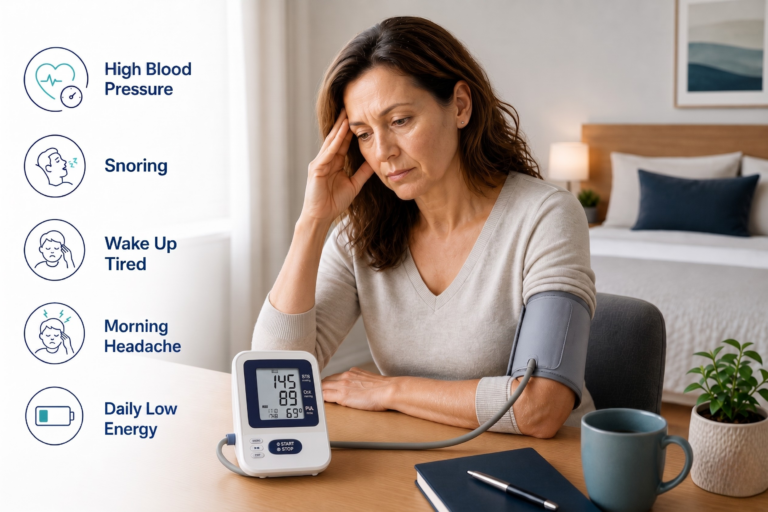
Sleep apnea symptoms in women tend to fall into two groups: the less obvious signs that are easy to attribute to something else, and the breathing-related warning signs that point more directly to a sleep-related breathing problem.
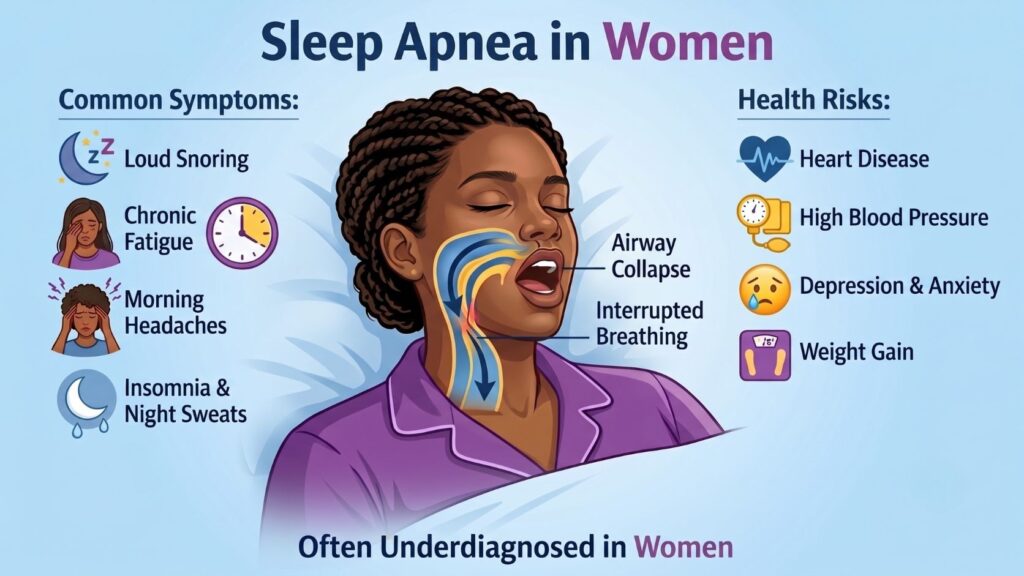
Less obvious symptoms
- Persistent fatigue
- Unrefreshing sleep
- Difficulty falling or staying asleep
- Morning headaches
- Dry mouth on waking
- Poor concentration or forgetfulness
- Irritability or mood changes
- Frequent nighttime urination
Breathing-related warning signs
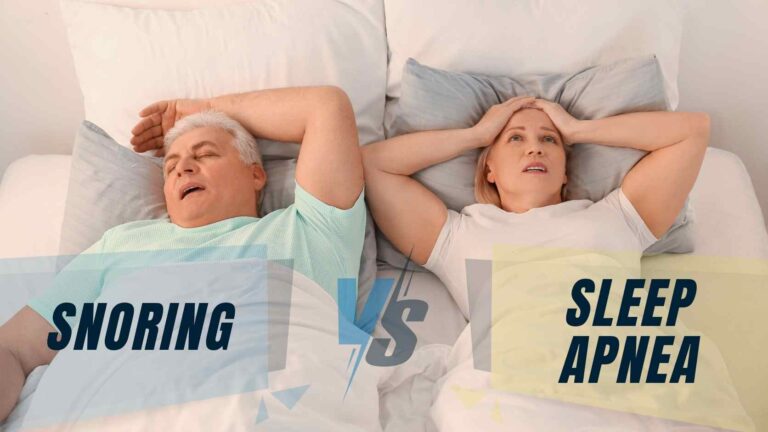
- Loud or frequent snoring
- Gasping or choking
- Witnessed breathing pauses
Any one of these can have another explanation. But when several appear together—especially alongside snoring, gasping, or witnessed breathing pauses—that’s a pattern worth looking into.
Why Is Sleep Apnea Often Missed in Women?
Part of the reason is overlap. Women’s symptoms frequently resemble other common experiences, including stress, insomnia, anxiety, depression, menopause, caregiving demands, and other medical conditions.
When fatigue and broken sleep can be plausibly explained by a demanding season of life, sleep-disordered breathing may not be the first thing anyone considers. Signs like insomnia or mood changes also don’t match the “loud snorer” stereotype, so the possibility of sleep apnea can quietly slip off the radar—for patients and clinicians alike.
This doesn’t mean women are always misdiagnosed. It simply means the signs can be subtler and easier to attribute elsewhere.
Sleep apnea does not need to look “typical” to be worth investigating.
Can Women Have Sleep Apnea Without Snoring?
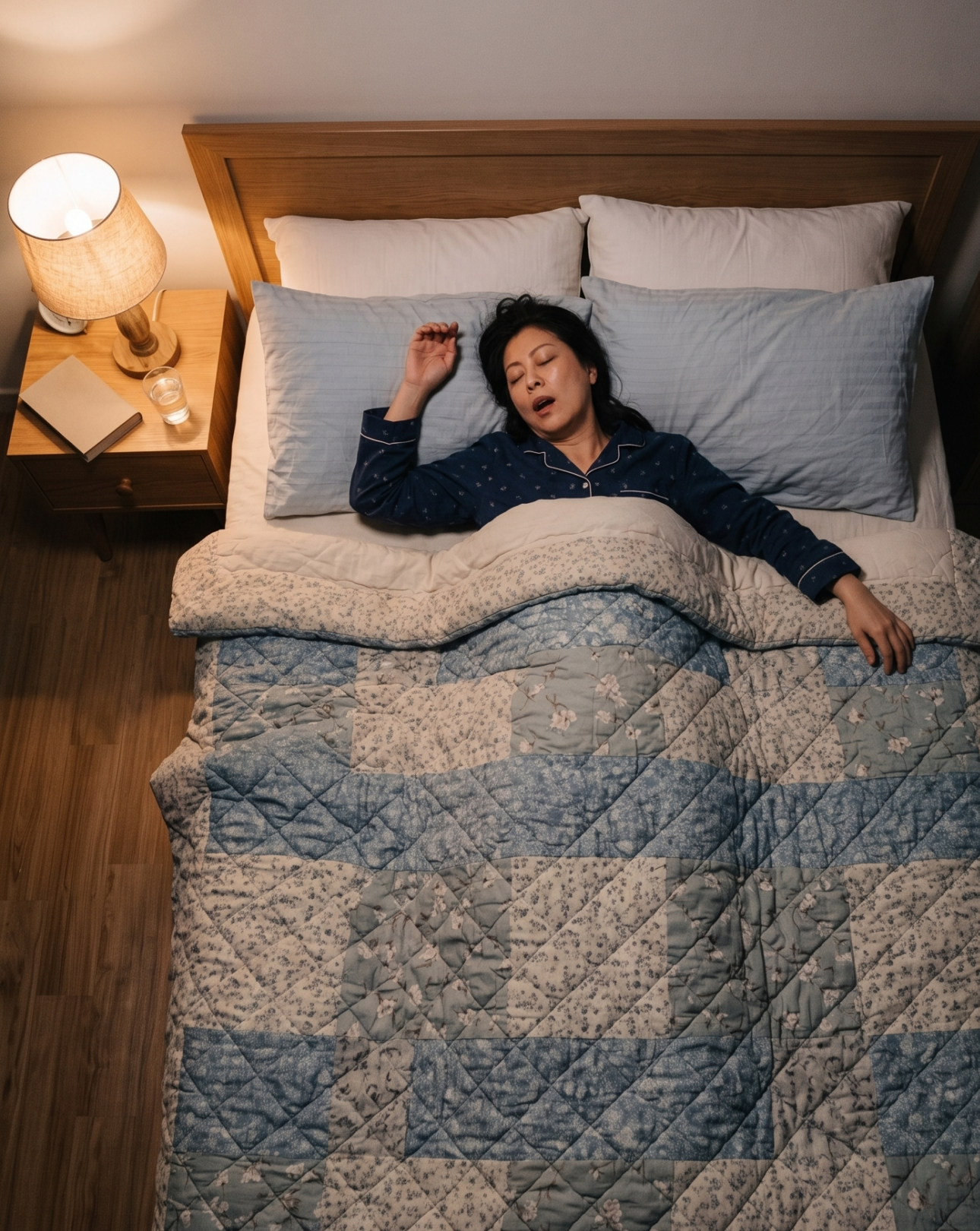
Yes. Women can have sleep apnea without obvious or consistently loud snoring. Some women snore very little, snore only occasionally, or aren't aware they snore at all. What they mainly notice is how they feel: ongoing fatigue, trouble sleeping through the night, morning headaches, sleep that never feels restorative, and difficulty concentrating during the day. Because these signs don't fit the familiar picture, the absence of loud snoring can create false reassurance. Feeling persistently unrested—even without a snoring complaint—is reason enough to ask the question.
How Can Menopause Affect Sleep Apnea Risk?
Sleep apnea risk may increase during and after menopause, likely tied to hormonal shifts that change how the airway behaves during sleep.
The tricky part is overlap. Hot flashes, night sweats, and disrupted sleep are common in menopause on their own, and they can look a lot like—or occur alongside—sleep apnea. Not every menopause-related sleep problem is sleep apnea.
The useful signal is persistence plus breathing changes. If symptoms continue and you also notice snoring, gasping, or witnessed pauses in breathing, that combination may justify testing.
What About Sleep Apnea During Pregnancy?
Pregnancy can also affect sleep and breathing. New or worsening snoring, gasping, breathing pauses, or severe daytime sleepiness during pregnancy should be discussed with your doctor.
Pregnancy is not the time to self-diagnose. Bring any new nighttime breathing symptoms to your healthcare provider, who can advise on the right next steps.
Sleep Apnea Symptoms vs Common Look-Alikes
Many sleep apnea symptoms overlap with other conditions. This table shows why symptoms alone can’t confirm or rule out sleep apnea.
Symptom
May occur with sleep apnea
May also have other causes
Fatigue
YES
Stress, insufficient sleep, anemia, thyroid issues
Insomnia
YES
Menopause, stress, pain
Morning headaches
YES
Migraine, dehydration, tension
Poor concentration
YES
Stress, poor sleep, mental health concerns
Loud snoring
Common warning sign
Simple snoring or congestion
Breathing pauses
Important warning sign
Requires professional assessment
Symptom
May occur with sleep apnea
May also have other causes
Fatigue
Yes
Stress, insufficient sleep, anemia, thyroid issues
Insomnia
Yes
Menopause, stress, pain
Morning headaches
Yes
Migraine, dehydration, tension
Poor concentration
Yes
Stress, poor sleep, mental health concerns
Loud snoring
Common warning sign
Simple snoring or congestion
Breathing pauses
Important warning sign
Requires professional assessment
Symptoms alone cannot diagnose sleep apnea.
What Happens If Sleep Apnea Goes Untreated?
Sleep apnea is a treatable condition—but left unaddressed, obstructive sleep apnea (OSA) is linked to a range of health effects that can build over time. The goal here isn’t to alarm; it’s to explain why clarifying the cause of persistent symptoms is worthwhile.
Untreated OSA has been associated with:
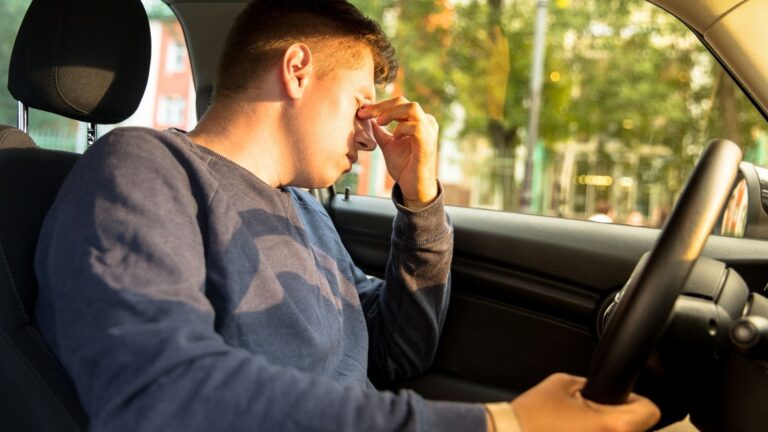
- Ongoing daytime drowsiness. Repeated nighttime awakenings prevent restorative sleep, which can affect focus, mood, and safety—raising the risk of accidents behind the wheel or on the job.
- High blood pressure and heart strain. Recurring drops in blood oxygen put stress on the cardiovascular system. OSA is linked to hypertension, as well as a higher risk of heart attack, stroke, and irregular heart rhythms such as atrial fibrillation.
- Type 2 diabetes. OSA is associated with insulin resistance and a greater risk of developing type 2 diabetes.
- Metabolic syndrome. This cluster of factors—elevated blood pressure, blood sugar, and cholesterol, plus increased waist size—is more common with OSA and raises cardiovascular risk.
- Surgery and medication risks. Because OSA affects breathing, it can complicate sedation and general anesthesia. It’s worth telling your care team if you have, or suspect, sleep apnea before any procedure.
- Liver changes. OSA is linked to abnormal liver function tests and to non-alcoholic fatty liver disease.
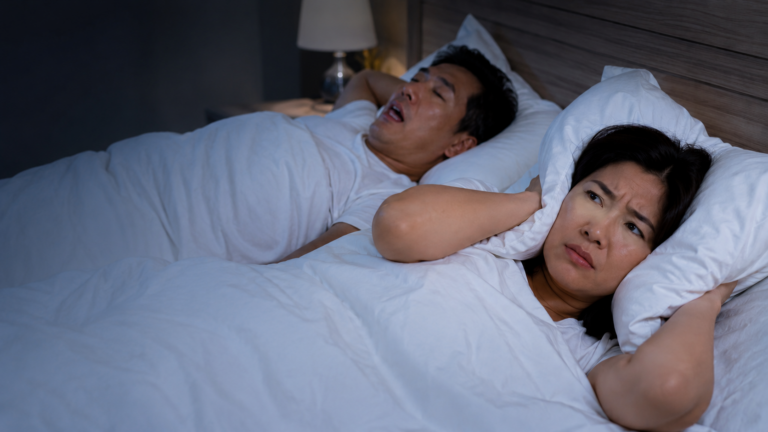
- Disrupted sleep for partners. Loud snoring doesn’t only affect you—it can keep a partner from resting well, too.
The reassuring part: once sleep apnea is identified, it can be managed. That starts with knowing whether it’s what’s going on in the first place.

When Should a Woman Consider Sleep Apnea Testing?
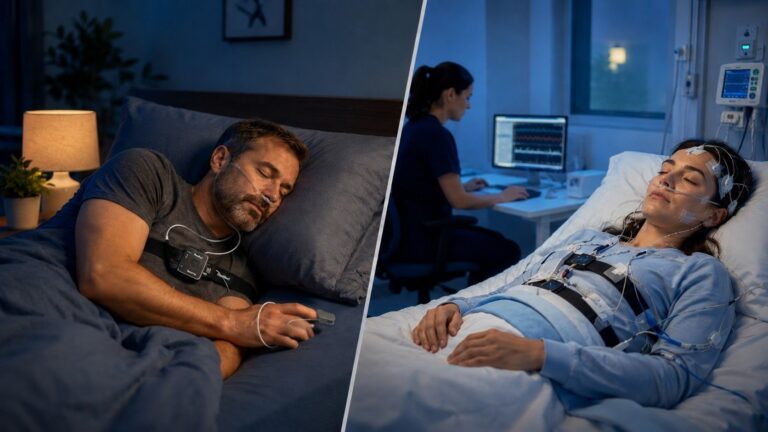
It may be worth considering a sleep test when:
- a partner notices breathing pauses
- gasping or choking occurs during sleep
- snoring is frequent or worsening
- sleep remains unrefreshing despite enough hours in bed
- headaches or fatigue persist
- symptoms affect work, driving, caregiving, or daily life
- symptoms worsen during or after menopause
- several less obvious symptoms occur together
Frequently Asked Questions About Sleep Apnea in Women
What are the most common sleep apnea symptoms in women?
Women often notice fatigue, unrefreshing sleep, insomnia, morning headaches, dry mouth, poor concentration, and mood changes. Breathing-related signs such as snoring, gasping, or witnessed pauses may also occur. Because the less obvious symptoms are easy to blame on stress or menopause, they’re worth taking seriously when they persist.
Can women have sleep apnea without snoring?
Yes. Women can have sleep apnea without loud or consistent snoring. Some mainly experience daytime fatigue, insomnia, headaches, or trouble concentrating. Because these don’t match the typical snoring stereotype, the condition can be overlooked. Feeling persistently unrested is reason enough to consider a sleep test.
Is sleep apnea more common after menopause?
Sleep apnea risk may rise during and after menopause. Hormonal changes can affect the airway, and menopause symptoms often overlap with sleep apnea. Not every sleep problem is sleep apnea, but persistent symptoms combined with snoring, gasping, or breathing pauses may justify testing.
When should a woman get tested for sleep apnea?
Consider testing if a partner notices breathing pauses, or if you experience gasping, worsening snoring, unrefreshing sleep, or persistent headaches and fatigue that affect daily life. Testing is also worth discussing when symptoms worsen around menopause or several less obvious signs occur together.
Written by: Snore MD Editorial Team
Medically reviewed by: Michael Davis, Registered Respiratory Therapist, Polysomnographic Technologist and Snore MD Clinical Director