Can My Smartwatch Tell If I Have Sleep Apnea?

You wake up, check your phone, and there it is: a notification from your watch or ring. Maybe it says possible sleep apnea. Maybe your “breathing disturbances” are marked elevated. Or maybe your blood oxygen dipped overnight and you’re not sure what that means.
So you do what many people now do: you search for it, or you ask an AI chat, “Does this mean I have sleep apnea?”
It’s a great question to ask. Wearables have made it easier than ever to notice that something might be off with your sleep. But there’s an important difference between a device that flags a possible problem and a test that can tell you what’s actually going on.
The short answer:
A smartwatch or smart ring can’t diagnose sleep apnea, but some can flag signs that are worth checking. If your wearable alerts you to possible sleep apnea or unusual breathing, the next step is a sleep test, which records your breathing, oxygen levels, and heart rate and is reviewed by a physician. An alert isn’t a reason to panic, and it isn’t a reason to ignore it, either.
What Is Your Wearable Actually Measuring?
Smartwatches and rings don’t watch you breathe the way a sleep test does. Instead, they use built-in sensors to pick up clues and estimate what’s happening while you sleep. Depending on the device, that may include:
- Small wrist movements that can shift when your breathing is interrupted
- Blood oxygen levels, using light sensors on the skin
- Heart rate and heart rate changes through the night
- Breathing rate estimates
- Sleep stages and restlessness, based on movement and heart rate
Some devices then use algorithms to look for patterns in that data over several nights. That’s how you end up with a notification, a score, or a chart in your health app.
These clues can be useful. But they’re indirect. Your wearable is making an educated guess based on signals from your wrist or finger, not directly measuring your airflow or breathing effort.

Not sure whether it’s snoring or something more? Here’s how to tell snoring from sleep apnea.
What a Wearable Alert Can (and Can’t) Tell You
What it can do:
- Notice patterns across many nights that you’d never spot yourself
- Give you an early nudge to pay attention to your sleep
- Provide a report or history you can bring to a healthcare professional
- Encourage you to take action sooner rather than later
What it can’t do:
- Diagnose sleep apnea. Only a proper sleep test, reviewed by a physician, can do that.
- Tell you how severe it is in the way a sleep test can.
- Tell you what type of sleep apnea you might have.
- Rule sleep apnea out. No alert doesn’t mean no problem.
- Recommend treatment. That depends on your test results, health history, and a physician’s assessment.
Think of a wearable alert like the check engine light in your car. It tells you something might need attention. It can’t tell you exactly what’s wrong, how serious it is, or how to fix it. That’s what a sleep test is for.
Smartwatch vs. Home Sleep Test: What’s the Difference?
| Smartwatch or smart ring | Home sleep test | |
|---|---|---|
| Purpose | General wellness tracking; some flag possible sleep apnea | Designed to test for sleep apnea |
| What it records | Indirect signals from wrist or finger | Breathing, oxygen levels, and heart rate during sleep |
| Who reviews it | An algorithm | A sleep medicine physician |
| Can it diagnose sleep apnea? | No | Yes, when reviewed by a physician |
| Shows severity? | Not in a clinical way | Yes |
| Leads to treatment? | No, it points you to the next step | Yes, results guide treatment options |
| Where you use it | Your own bed | Your own bed |
The best part? A home sleep test happens where your watch already tracks you: in your own bed. Most people don’t need an overnight hospital stay.
Curious how it compares with a lab study? See home sleep test vs. sleep study.
“My Watch Flagged Possible Sleep Apnea. What Should I Do?”
If you’ve received an alert, here’s a simple plan:
- Don’t panic. An alert means your device picked up a pattern worth checking, not that something is definitely wrong.
- Don’t ignore it, either. Wearable alerts are designed to catch signs that are often missed. Sleep apnea is common, often undiagnosed, and linked with serious health concerns like high blood pressure and heart problems when left untreated.
- Look at the bigger picture. Do you snore loudly? Has a partner noticed pauses in your breathing or gasping? Do you wake up tired, with headaches or a dry mouth? These symptoms, together with your alert, make a strong case for testing.
- Save your data. Some health apps let you export a report or share your sleep history. Bring it to your appointment. It’s helpful context, even though it isn’t a diagnosis.
- Book a sleep test. A doctor’s referral is needed. Don’t have easy access to a family doctor? Snore MD’s free online physician program connects you with a Snore MD partnered physician who can help you get started.
Got an alert? Get answers. Turn your watch’s warning into a clear answer with a home sleep test, reviewed by a physician and explained by our team.
“My Watch Says I’m Fine, but I Still Feel Exhausted”

This one matters just as much. A wearable that doesn’t send an alert isn’t giving you a clean bill of health.
Sleep apnea features are tuned to catch signs of moderate to severe sleep apnea. Many devices don’t screen for it at all. And no device catches everything. If you’re snoring loudly, someone has noticed you stop breathing, or you’re tired no matter how long you sleep, trust those signs over a quiet notification screen.
Consider a sleep test if you notice:
- Loud or frequent snoring
- Pauses in breathing or gasping during sleep (often noticed by a partner)
- Waking up unrefreshed, even after a full night in bed
- Morning headaches or a dry mouth
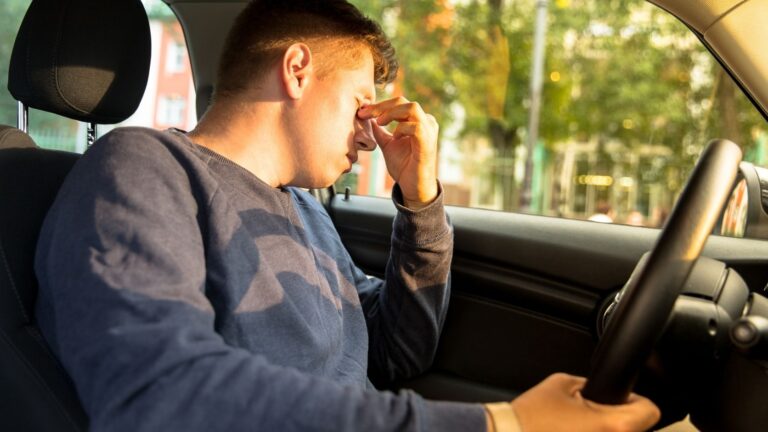
- Dozing off during the day, while reading, watching TV, or driving
- Trouble focusing or feeling irritable
- Frequent low blood oxygen readings or breathing alerts on your wearable
Safety note:
If you feel dangerously sleepy, don’t drive or operate machinery. Talk to a healthcare professional as soon as possible.
Already Diagnosed? Your Wearable Isn’t Your Treatment Tracker
If you’ve already been diagnosed with sleep apnea, wearable sleep apnea alerts generally aren’t meant for you, and they can’t tell you whether your treatment is working.
If you use CPAP, your machine is a better source of information about your therapy. Through Snore MD’s Care For Life program, our team can help you review how therapy is going, adjust your mask or settings with your care team, and keep your supplies up to date.
New to treatment? Here’s what happens after your sleep test.
Getting a Sleep Test With Snore MD Is Easy
Your watch got you thinking. Snore MD makes the next step simple:
- Getting referred. A doctor’s referral is needed for a sleep test. Don’t have easy access to a family doctor? Our free online physician program connects you with a Snore MD partnered physician.
- Testing at home. Sleep in your own bed with a small device that records your breathing, oxygen levels, and heart rate.
- Clear results. A sleep medicine physician reviews your results, and our team explains them in plain language.
- Treatment that fits your life. If treatment is recommended, we’ll help you find an option that suits your needs and lifestyle, whether that’s CPAP or another path your physician recommends.
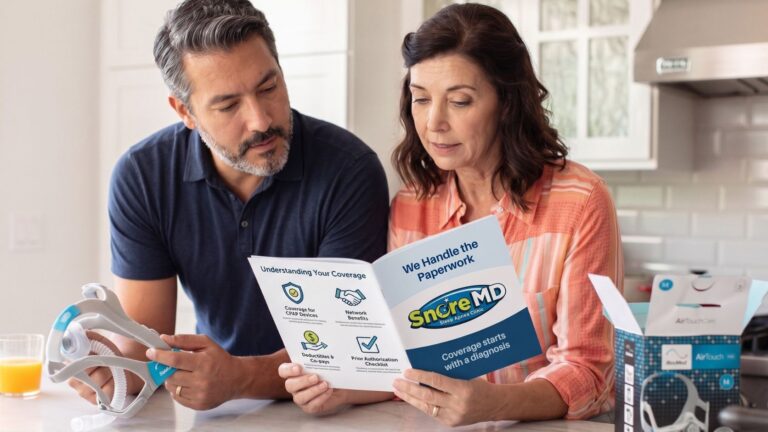
- Insurance coordination. Our team helps communicate with your insurer and handle the paperwork.
- Ongoing support. Through Care For Life, we’re here for follow-ups, mask fittings, supplies, and adjustments.
With clinics across British Columbia and Alberta, help is likely closer than you think.
Let Your Watch Start the Conversation, and Let a Sleep Test Finish It
Wearables are a great way to notice that something might be off. But a notification is just the beginning of the story, not the ending.
If your watch, ring, or your own body is telling you something isn’t right with your sleep, the smartest next step is a sleep test. It’s simple, it happens at home, and it gives you real answers instead of guesses.
Your watch raised the question. A sleep test can answer it.
→ Book a Sleep Test | Learn about our sleep test | Find a Snore MD clinic in BC or Alberta
Frequently Asked Questions
No. Some smartwatches can flag signs of possible sleep apnea, but none can diagnose it. If you get a notification, the next step is a sleep test reviewed by a physician.
It means your watch detected more signs of interrupted breathing than usual on that night. One elevated night isn’t cause for alarm, but a repeated pattern, especially with snoring or daytime tiredness, is worth discussing with a healthcare professional.
Wearable alerts can be a helpful early warning, but they’re designed to catch signs of moderate to severe sleep apnea and can miss milder cases. They also can’t show how severe sleep apnea is. A sleep test reviewed by a physician is the only way to know for sure.
Not necessarily. These devices track helpful signals but aren’t licensed to screen for sleep apnea, and readings can be affected by fit and movement. Frequent dips, especially with snoring, breathing pauses, or daytime tiredness, are a good reason to consider a sleep test.
No. Wearable data can be useful background information, but a diagnosis requires a proper sleep test reviewed by a physician. Bringing your wearable’s report to your appointment can still be helpful.
Yes. Wearables can miss sleep apnea, especially milder cases. Breathing pauses noticed by a partner are an important warning sign and worth discussing with a healthcare professional.
Yes, a doctor’s referral is required. If you don’t have easy access to a family doctor, Snore MD’s free online physician program can connect you with a partnered physician to help you get started.
Ready for a Clear Answer?
A home sleep test, reviewed by a physician and explained by our team, can tell you what your watch can’t.