The Nightmare Before the Sleep Test: Is a Snorezilla Haunting Your Bedroom?

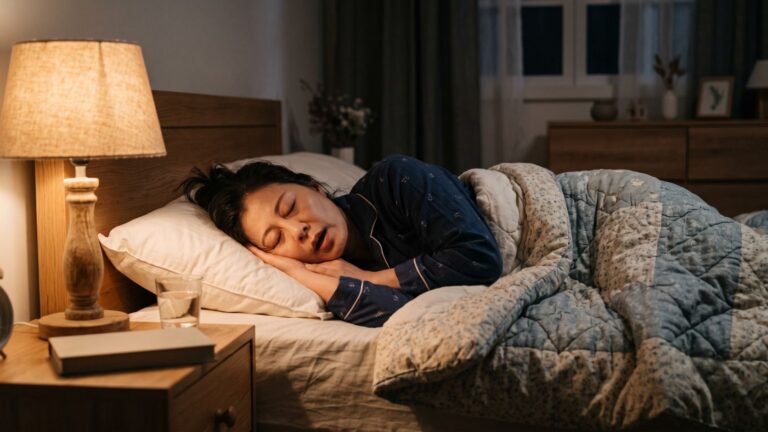
It’s midnight. The house is quiet. You’re finally drifting off…
And then it begins.
A low rumble. A rattle that shakes the headboard. A roar that could wake the neighbours, the dog, and possibly the dead. You poke. You nudge. You pull the pillow over your head. Nothing works.
You’re sleeping next to a Snorezilla.
Then something even creepier happens. The snoring stops. The room goes completely silent. Five seconds. Ten. You find yourself holding your own breath, waiting…
Until your Snorezilla lets out a huge gasp and roars back to life.
If that sounds like your nights, this Halloween is the perfect time to stop just surviving the horror and start doing something about it. Because the scariest part of this story isn’t the noise.
Meet the Snorezillas
Every bedroom monster is a little different. See if you recognize yours:
- The Chainsaw: Loud, steady, and relentless. Starts the moment their head hits the pillow and doesn’t let up until morning.
- The Freight Train: Builds slowly, gets louder and louder, then crashes into a snort that wakes everyone but them.
- The Silent Stalker: Snores, then goes quiet for an unsettling stretch, then gasps or chokes back into breathing.
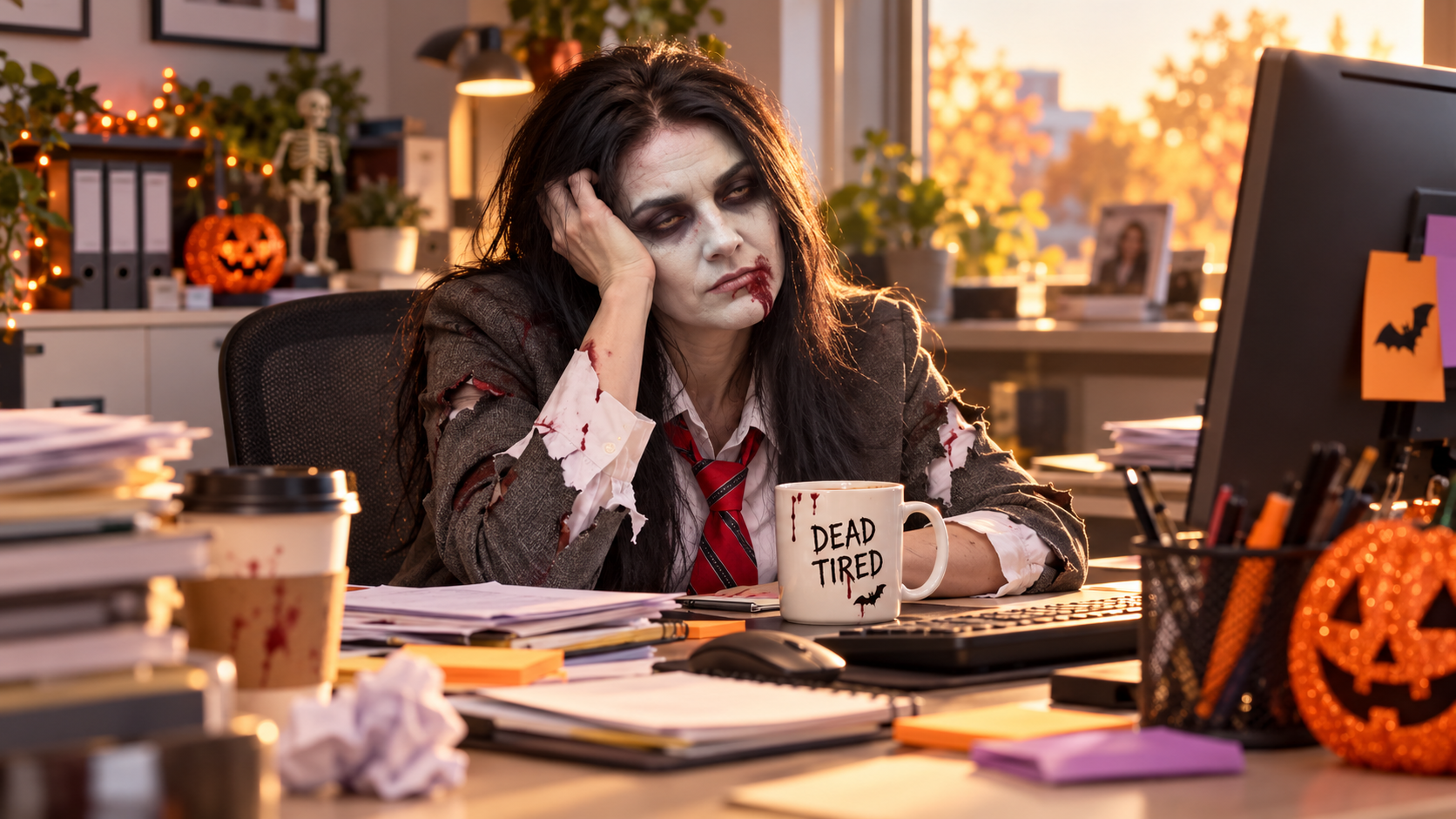
- The Daytime Zombie: Swears they slept great, but they’re dozing on the couch by 8 p.m. and dragging through every afternoon.

Here’s the twist: some Snorezillas are all four at once. And the last two are the ones to take most seriously.
Most snorers don’t know they’re monsters.
People with sleep apnea usually don’t remember their breathing pauses or the brief wake-ups that follow. That’s why the bed partner is often the first to notice something is wrong.
The Silence Is the Scary Part
Here’s where the fun stops for a moment.
Loud snoring on its own isn’t always a sign of a health problem. But snoring that’s interrupted by silence, then a gasp, choke, or snort, can be a sign of obstructive sleep apnea.
In plain language, sleep apnea happens when the airway gets blocked or narrowed again and again during sleep. Each time, breathing pauses or becomes very shallow. The brain notices, briefly wakes the person up, and breathing starts again, often with that dramatic gasp you’ve been hearing in the dark.
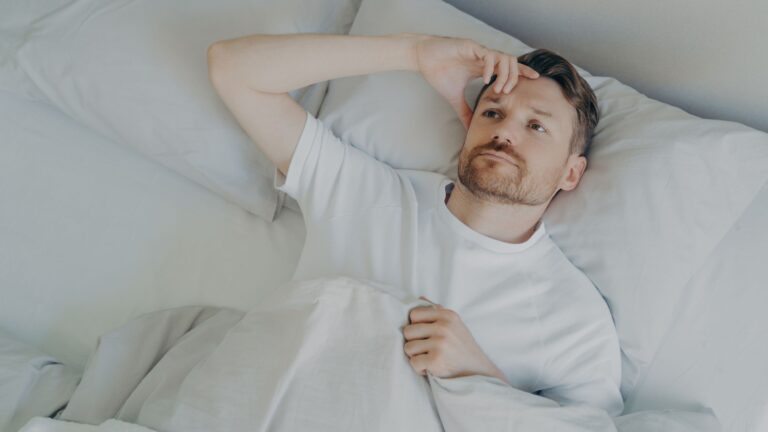
This can happen many times an hour, all night long. Your Snorezilla probably has no idea. They just wake up feeling like they never really slept.
So when the room goes quiet and you find yourself waiting for the next breath, trust that instinct. That silence is worth paying attention to.
Not sure whether it’s snoring or something more? Here’s how to tell snoring from sleep apnea.
The Real Horror Story: Untreated Sleep Apnea
Sleep apnea isn’t a costume you can take off after October 31. Left untreated, it can affect much more than a good night’s sleep.
Untreated sleep apnea has been linked with:
- High blood pressure and an increased risk of heart problems
- Daytime sleepiness that makes work, family time, and focus harder
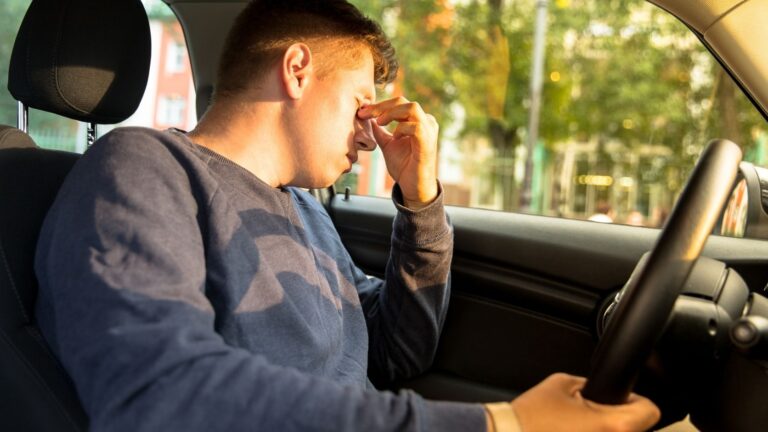
- Drowsy driving, which puts your Snorezilla and others on the road at risk
- Mood changes, like irritability or feeling down
- Trouble concentrating and remembering things

None of this happens overnight, and none of it is meant to frighten you. But it’s the reason a sleep test is worth taking seriously. The good news is that sleep apnea can be identified with a simple test, and there are treatment options that work.
Safety note:
If your partner often feels dangerously sleepy, especially while driving, encourage them not to drive drowsy and to talk to a healthcare professional as soon as possible.
Learn more about drowsy driving and sleep apnea.
The Horror Signs Checklist
Not sure whether your Snorezilla needs a sleep test? Count the signs you’ve noticed:
At night (what you see and hear):
- Loud snoring on most nights
- Snoring that stops, followed by silence
- Gasping, choking, or snorting awake
- Tossing, turning, or restless sleep
- Snoring that’s gotten louder or more frequent over time
During the day (what they feel):
- Waking up tired, even after a full night in bed
- Morning headaches or a dry mouth
- Dozing off while watching TV, reading, or driving
- Irritability, short temper, or trouble focusing
- Needing more and more coffee to get through the day
If you checked any of the first three, or several on the list, it’s a good idea for your partner to talk to a healthcare professional about a sleep test.
Seeing the signs?
A simple home sleep test can show what’s really happening while your Snorezilla sleeps.
It’s Your Nightmare Too
Living with a Snorezilla doesn’t just affect them. It affects you.
Bed partners of loud snorers often lose sleep, wake up repeatedly, or end up moving to the couch or the spare room. Over time, that can leave you tired, frustrated, and maybe a little resentful. And worrying about those silent pauses doesn’t exactly help you relax.
Getting your partner tested isn’t nagging. It’s taking care of both of you. Better sleep for them often means better sleep for you, too.
How to Get Your Snorezilla Tested (Without Starting a Fight)
Let’s be honest: telling someone they snore like a monster doesn’t always go well. Here are some tips to make the conversation easier.
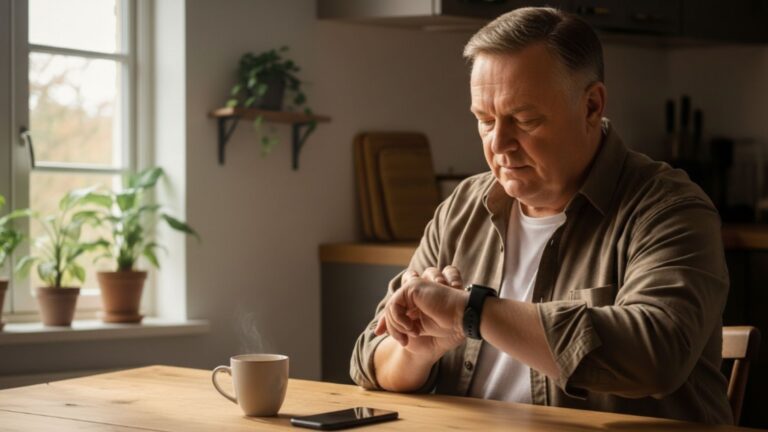
- Pick the right moment. Don’t bring it up at 2 a.m. when you’re both exhausted and annoyed. Choose a calm moment during the day, like over coffee or on a walk.
- Lead with care, not complaints. Instead of “Your snoring is driving me crazy,” try something like, “I’ve noticed you stop breathing sometimes at night, and it worries me.” Focusing on their health, not your lost sleep, makes it feel less like an accusation.
- Share what you’ve seen. Many people genuinely don’t believe they snore, or that it’s that bad. Tell them specifically what you’ve noticed: the pauses, the gasps, how tired they seem during the day.
- Try a snore-tracking app. Sometimes hearing is believing. Many snore-tracking apps are easy to use: download one, set your phone on the nightstand (with your partner’s OK), and let it record overnight. In the morning, your Snorezilla can hear their own snoring. Remember that an app can’t diagnose sleep apnea. It’s simply a great conversation starter, and a reason to book a proper sleep test.
- Connect it to what they care about. More energy for the kids or grandkids. Feeling sharper at work. Staying healthy for the long run. Being safer on the road. Find the reason that matters most to them.
- Make it easy. Offer to help look into testing or book the first step together. Let them know a sleep test can usually be done at home, in their own bed.
- Keep the humour, lose the blame. This is the perfect season for it. “I think there’s a monster in our bedroom, and I’d like to get it checked out” is a lot easier to hear than a lecture.
What if the Snorezilla is you?
If your partner has been telling you about loud snoring, pauses, or gasps, and you’ve been waking up tired, it’s worth listening. A sleep test can give you both answers.
Banishing the Monster: Getting Tested With Snore MD Is Easy
Here’s the part that’s not scary at all. Getting a sleep test with Snore MD is simple, and your partner won’t have to face it alone.
- Getting referred. A doctor’s referral is needed for a sleep test. Don’t have easy access to a family doctor? Our free online physician program connects you with a Snore MD partnered physician who can help you get started.
- Testing at home. Most people can do a home sleep test, sleeping in their own bed with a small device that records breathing, oxygen levels, and heart rate. No overnight hospital stay.
- Clear results. A sleep medicine physician reviews the results, and our team explains them in plain language.
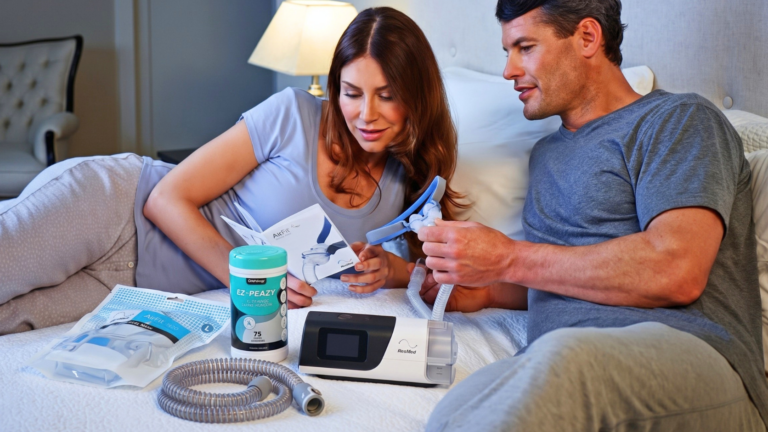
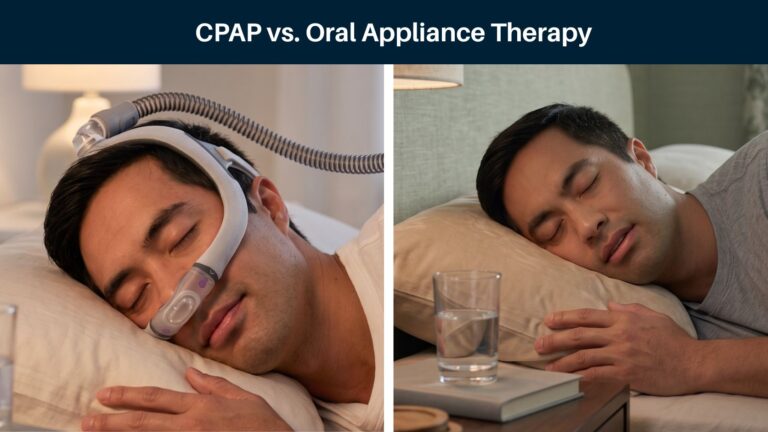
- Treatment that fits. If treatment is recommended, we’ll help find an option that suits your partner’s needs and lifestyle, whether that’s CPAP or another path their physician recommends.
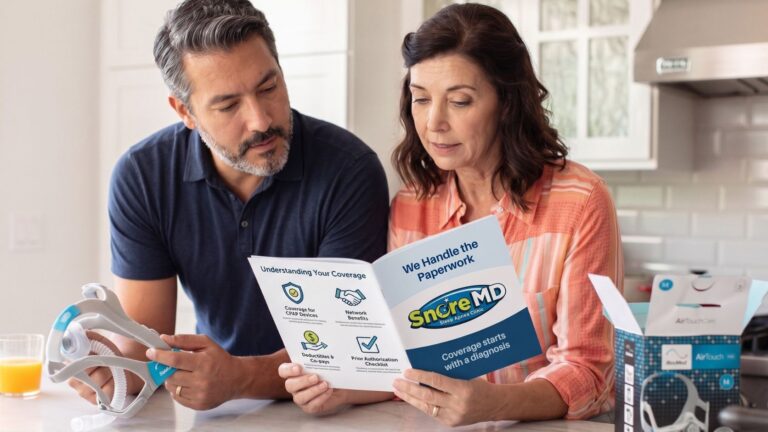
- Insurance coordination. Our team helps communicate with insurers and handle the paperwork.
- Support that continues. Through Care For Life, we’re there for follow-ups, mask fittings, supplies, and adjustments long after the first appointment.
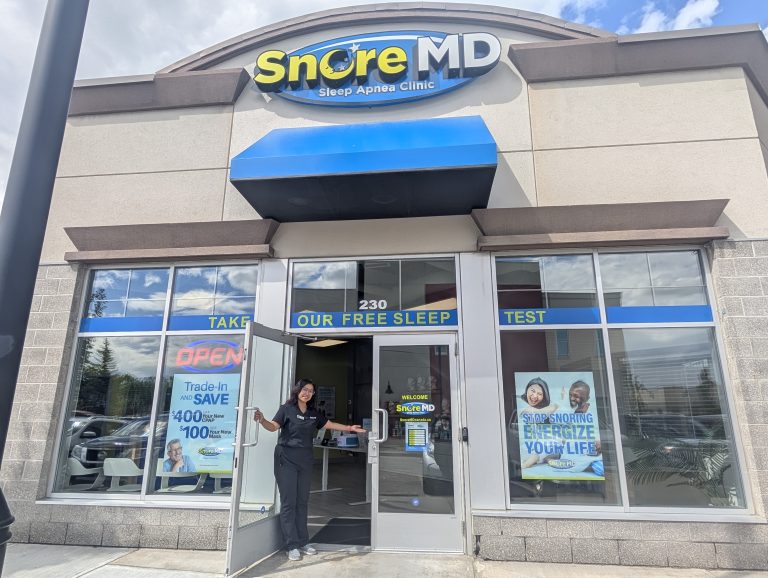
With clinics across British Columbia and Alberta, help is likely closer than you think.
Wondering what comes next? Here’s what happens after a sleep test.
Ready to tame your Snorezilla?
Help your partner find out what’s happening while they sleep, so you can both get some rest.
Don’t Wait for the Sequel
Halloween comes and goes. A Snorezilla doesn’t, at least not on its own.
If the snoring in your bedroom is loud, constant, or interrupted by those unsettling silences and gasps, don’t just wait for November and hope things get quieter. The real scare isn’t the noise. It’s what might be happening underneath it.
The happy ending starts with a sleep test. And the sooner your Snorezilla gets checked, the sooner you can both get back to sweet dreams.
End the nightmare. Start with a sleep test.
→ Book a Sleep Test | Learn about our sleep test | Find a Snore MD clinic in BC or Alberta
Frequently Asked Questions
No. Many people snore without having sleep apnea. Snoring is more concerning when it happens most nights and comes with breathing pauses, gasping, choking, or daytime tiredness.
Pauses in breathing that a partner notices are one of the most important warning signs of sleep apnea. They’re worth discussing with a healthcare professional, and a sleep test can help find out what’s going on.
Choose a calm moment, lead with concern for their health rather than complaints about the noise, and share specific things you’ve noticed. Offering to help with the first step, and letting them know testing can usually be done at home, can make it easier to say yes.
Yes. Most people with sleep apnea don’t remember the breathing pauses or brief wake-ups. They may only notice tiredness, morning headaches, or trouble focusing during the day.
For most people, yes. A home sleep test lets you sleep in your own bed with a small device that records breathing, oxygen levels, and heart rate. Your clinic team will confirm what type of test is right for you.
Yes, a doctor’s referral is required. If you don’t have easy access to a family doctor, Snore MD’s free online physician program can connect you with a partnered physician to help you get started.
End the Nightmare. Start With a Sleep Test.
A simple home sleep test, reviewed by a physician and explained by our team, can tell you what’s really happening while your Snorezilla sleeps.