
Can Magnesium or Melatonin Fix Your Sleep? What Supplements Can’t Do

Magnesium before bed. A melatonin gummy. A calming tea. A “sleep blend” from the pharmacy shelf.
If you’ve ever tried one (or all) of these, you’re not alone. Magnesium for sleep is one of the most searched sleep topics online, and sleep supplements are more popular than ever. When you’re exhausted, reaching for something simple and easy makes sense.
And for some sleep problems, these products may help you wind down. But there’s one thing no supplement can do, and it’s a big one: keep your airway open while you sleep.
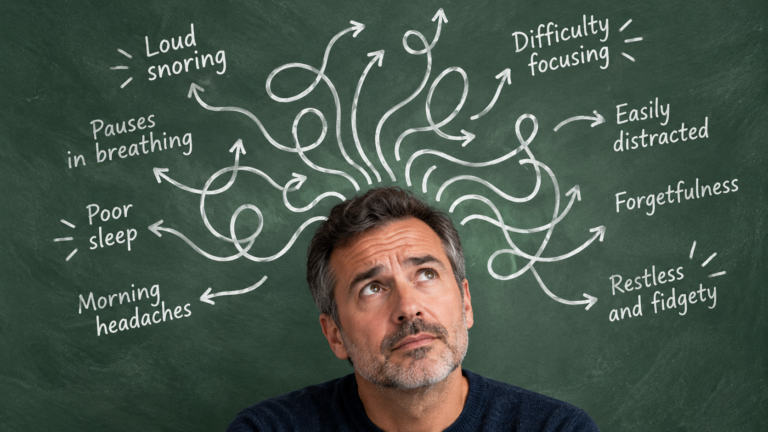
If you’re snoring, waking up gasping, or feeling tired no matter how long you sleep, the real problem might not be a missing supplement. It might be your breathing.
The short answer:
Supplements like magnesium and melatonin are generally used to help people relax or fall asleep. They can’t treat sleep apnea, which happens when your airway is repeatedly blocked during sleep. If you still wake up tired after trying sleep supplements, especially if you snore or someone has noticed pauses in your breathing, a sleep test can help find out what’s really going on.
Why So Many People Reach for Sleep Supplements
It’s easy to see the appeal. Sleep supplements are:
- Easy to find at any pharmacy or grocery store
- Available without a prescription
- Marketed as natural and gentle
- Simple. Take something, go to bed, hope for the best.

Most people reach for them because they’re tired. They’re tired of lying awake, tired of waking up groggy, and tired of feeling drained all day.
The problem is that “I’m tired” can have many different causes. Some are about falling asleep. Others are about what happens after you’re asleep. And supplements don’t treat both.
What Magnesium and Melatonin Are Commonly Used For

Here’s a plain-language look at the two most popular options. This isn’t medical advice, and it’s always a good idea to talk to your pharmacist or healthcare provider before starting any supplement.
Melatonin. Melatonin is a hormone your body makes naturally to help signal that it’s time to sleep. As a supplement, it’s often used to help with falling asleep, adjusting to a new sleep schedule, or jet lag. It works on your body’s sleep timing. It doesn’t change how you breathe during sleep.
Magnesium. Magnesium is a mineral your body uses for many everyday functions, including muscle and nerve function. Many people take it hoping it’ll help them relax or sleep better. Research on magnesium and sleep is still mixed, and results vary from person to person.
The bottom line: These supplements are generally used to help people fall asleep or relax. Neither is a treatment for a sleep breathing problem.
Still tired, even with supplements?
Our quick online sleep assessment takes just a few minutes and can help you see whether your tiredness could be more than a sleep habit problem.
What Supplements Can’t Do: Open a Blocked Airway
This is the part most supplement labels won’t tell you.
Obstructive sleep apnea happens when the muscles and tissues in your throat relax during sleep and block or narrow your airway. Your breathing pauses or becomes shallow, your brain briefly wakes you up to restart it, and this can happen many times an hour without you remembering.
That means you could fall asleep quickly, with or without a supplement, and still have your sleep broken up all night long.
So you might:
- Fall asleep easily, but still wake up exhausted
- Sleep a full eight hours, but feel like you barely slept
- Take melatonin every night, but still need three coffees by noon

That’s often a sign that the problem isn’t getting to sleep. It’s staying in deep, restful sleep, because your breathing keeps getting interrupted.
No vitamin, mineral, or gummy can keep your airway open. That’s why sleep apnea needs to be properly diagnosed, and treated with options that address the airway itself.
Not sure whether it’s snoring or something more? Here’s how to tell snoring from sleep apnea.
When Sleep Aids Might Make Things Worse

Here’s something many people don’t realize: some things people take to help them sleep can actually make sleep apnea worse.
Alcohol as a “nightcap.” A drink before bed can make you feel sleepy, but alcohol relaxes the muscles in your throat. That can make snoring louder and breathing pauses more likely.
Sedating sleep aids. Some over-the-counter and prescription sleep aids work by making you drowsy and relaxing your body, which can include the muscles that help keep your airway open. They may also make it harder for your body to wake up when your breathing pauses.
Covering up the warning signs. Even when a sleep aid doesn’t make breathing worse, it can mask the symptoms. You feel like you’re sleeping, so you don’t look for the real cause.
Important:
Don’t stop or change any prescription medication on your own. If you take sleep aids and also snore, wake up gasping, or feel exhausted during the day, talk to your doctor or pharmacist. They can help you decide what’s right for you.
Find out what’s really behind your tiredness.
Is It a Supplement Problem or a Sleep Problem?
This quick comparison can help you think through what might be going on. It can’t diagnose anything, but it can help you decide whether it’s time to look deeper.
| If your main issue is… | A supplement or habit change might help if… | Consider a sleep test if… |
|---|---|---|
| Trouble falling asleep | Your mind races or your schedule is off | You also snore or wake up tired |
| Jet lag or shift changes | It’s temporary and tied to your schedule | Tiredness continues after your schedule settles |
| Feeling wired at bedtime | Stress or screen time is keeping you up | You fall asleep fine but wake up unrefreshed |
| Waking up tired | Your sleep was short or interrupted by something obvious | You sleep enough but still wake up exhausted |
| Loud snoring | Not a supplement issue | Snoring happens most nights |
| Partner notices breathing pauses | Not a supplement issue | Always worth checking |
| Waking up gasping or choking | Not a supplement issue | Always worth checking |
| Dozing off during the day | Not a supplement issue | It happens often, or while driving |
Signs Your Tiredness Isn’t a Supplement Problem
Consider talking to a healthcare professional about a sleep test if you notice:
- ☐ Loud or frequent snoring
- ☐ Pauses in your breathing during sleep (often noticed by a partner)
- ☐ Waking up gasping, choking, or snorting
- ☐ Feeling unrefreshed after a full night in bed
- ☐ Morning headaches or a dry mouth
- ☐ Dozing off while reading, watching TV, or driving
- ☐ Trouble focusing or feeling irritable
- ☐ Trying supplement after supplement without feeling better
Safety note:
If you feel dangerously sleepy, don’t drive or operate machinery. Talk to a healthcare professional as soon as possible.
Wondering why you’re so wiped out? Here’s more on why you’re tired all the time.
Testing is easier than you think.
Sleep in your own bed with a small device that records your breathing, oxygen levels, and heart rate. A physician reviews your results, and our team explains them in plain language.
Simple Habits That Support Better Sleep
While you’re figuring out what’s behind your tiredness, a few everyday habits can help support better sleep for most people:
- Keep a consistent schedule. Go to bed and wake up at roughly the same time every day.
- Limit alcohol close to bedtime. It can disrupt sleep and make snoring worse.
- Try sleeping on your side. Back sleeping can make snoring and breathing pauses worse for some people.
- Wind down without screens. Give yourself 30 minutes before bed to relax.
- Keep your bedroom cool, dark, and quiet.
- Watch late-day caffeine. It can stay in your system for hours.
These habits are healthy for everyone. But if you have sleep apnea, they won’t fix it on their own, and that’s when a sleep test can make a real difference.
Getting Tested With Snore MD Is Simple
If supplements haven’t helped, a sleep test can give you real answers. Here’s how it works with Snore MD:
- Take our online sleep assessment. It only takes a few minutes.
- Get referred. A doctor’s referral is required. Don’t have easy access to a family doctor? Our free online physician program connects you with a Snore MD partnered physician.
- Sleep at home. Most people can do a home sleep test in their own bed.
- Understand your results. A sleep medicine physician reviews your results, and our team explains them in plain language.
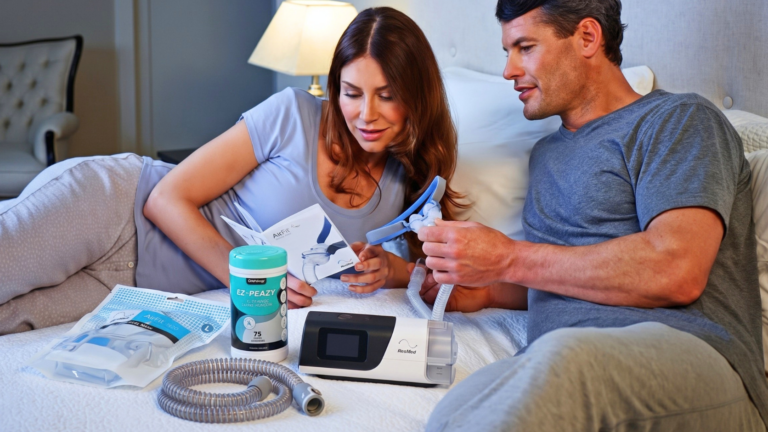
- Find a treatment that fits your life. If treatment is recommended, we’ll help you explore options that suit your needs and lifestyle, whether that’s CPAP or another path your physician recommends.
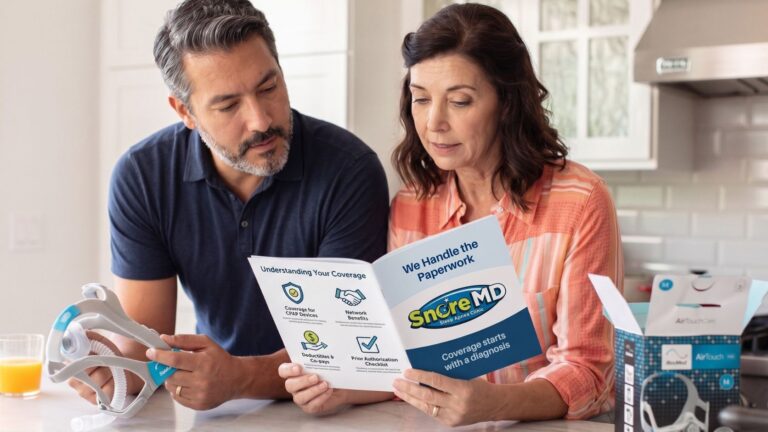
Our team also helps coordinate with your insurance provider, and through Care For Life, our support continues long after your first appointment.
Wondering what comes next? Here’s what happens after your sleep test.
There’s a Snore MD clinic near you.
With clinics across British Columbia and Alberta, help is likely closer than you think.
Stop Guessing. Start Getting Answers.
Supplements can be part of a healthy bedtime routine for some people. But if you’ve tried magnesium, melatonin, and everything in between and you’re still waking up exhausted, it may be time to stop adding things to your nightstand and start finding out what’s happening while you sleep.
The answer might be simpler than you think, and it starts with a few minutes online.
Find out what’s really keeping you tired.
→ Take our online sleep assessment | Learn about our Home Sleep Test | Find a Clinic in BC or Alberta
Frequently Asked Questions
No. Magnesium is a mineral some people take to help them relax, but it can’t keep your airway open during sleep, so it doesn’t treat sleep apnea. If you snore or feel tired despite enough sleep, a sleep test can help find the cause.
Melatonin helps signal your body’s sleep timing, but it doesn’t change how you breathe during sleep, so it isn’t a treatment for sleep apnea. Talk to your healthcare provider or pharmacist before using any sleep supplement, especially if you snore.
Melatonin may help some people fall asleep, but it can’t fix sleep that’s being interrupted during the night. If you’re still exhausted, especially with snoring or breathing pauses, sleep apnea could be a possible cause worth checking.
Some sleep aids, along with alcohol, relax the body in ways that may make snoring and breathing pauses worse. If you snore and use sleep aids, talk to your doctor or pharmacist, and consider asking about a sleep test.
No. Supplements can’t treat a blocked airway. If you’ve been diagnosed with sleep apnea, follow the treatment plan recommended by your physician, and talk to your care team before making changes.
Don’t stop or change any medication or supplement on your own. Let your clinic team and healthcare provider know what you’re taking, and they’ll tell you if anything should change before your test.
Yes, a doctor’s referral is required. If you don’t have easy access to a family doctor, Snore MD’s free online physician program can connect you with a partnered physician to help you get started.
Ready to Find Out What’s Really Keeping You Tired?
Start with a quick online sleep assessment. It only takes a few minutes.