How to Stop Snoring: 10 Tips That Help, and When It’s a Sign of Something More

Maybe you’ve been elbowed awake one too many times. Maybe your partner has started sleeping in the spare room. Or maybe you’ve caught yourself snoring on the couch and thought, okay, I need to do something about this.
You’re not alone. “How to stop snoring” is one of the most searched sleep questions out there, and for good reason. Snoring can disrupt your sleep, your partner’s sleep, and sometimes your relationship.
The good news is that some simple changes can help reduce snoring for many people. But it’s also important to know when snoring isn’t just a nuisance, and when it could be a sign of a breathing problem like sleep apnea.
Let’s look at both.
The short answer:
To reduce snoring, try sleeping on your side, limiting alcohol before bed, easing nasal congestion, keeping a regular sleep schedule, and maintaining a healthy weight. But if your snoring is loud, happens most nights, or comes with breathing pauses, gasping, or daytime tiredness, it may be a sign of sleep apnea, and a sleep test can help find out.
Why Do People Snore?
Snoring happens when air can’t flow freely through your nose and throat while you sleep. As you breathe, the relaxed tissues in your airway vibrate, creating that familiar rumbling sound.
Some common things that can make snoring more likely include:
- Sleeping on your back
- Nasal congestion from colds, allergies, or dry winter air
- Alcohol close to bedtime
- Being overtired
- Weight changes
- The natural shape of your nose, mouth, or throat
For some people, snoring is occasional and harmless. For others, it’s a sign that the airway is narrowing or collapsing during sleep, and that’s when it may point to something more.
10 Practical Tips to Help Stop Snoring
These tips are simple, safe, and worth trying for most people.
- Sleep on your side. Back sleeping lets your tongue and soft tissues fall back toward your throat, which can narrow your airway. Side sleeping often helps. A body pillow can make it easier to stay on your side.
- Raise the head of your bed slightly. Lifting your head and upper body a few inches with a wedge pillow or an adjustable bed may help keep your airway more open.
- Limit alcohol before bed. Alcohol relaxes the muscles in your throat, which can make snoring louder. Try avoiding alcohol for a few hours before sleep.
- Be careful with sedating sleep aids. Many sleep aids relax your body in ways that can make snoring worse. If you take any, talk to your doctor or pharmacist, and don’t stop prescription medication on your own.
- Ease nasal congestion. A stuffy nose forces you to breathe through your mouth, which can increase snoring. Saline rinses, treating allergies, and keeping your nose clear can help.
Been trying for a while without much luck?
Our quick online sleep assessment takes just a few minutes and can help you see whether your snoring might be more than snoring.
- Add moisture to dry air. Dry indoor air, especially in winter, can irritate your nose and throat. A bedroom humidifier may help you breathe more comfortably.
- Keep a consistent sleep schedule. Being overtired can make your muscles relax more deeply during sleep, which can increase snoring. Aim for regular bedtimes and wake-up times.
- Maintain a healthy weight. Extra weight, especially around the neck, can put pressure on your airway. For some people, weight changes make a noticeable difference in snoring.
- Avoid tobacco. Tobacco can irritate and inflame the lining of your nose and throat, which may make snoring worse.
- Stay hydrated and keep your bedroom clean. Staying hydrated helps keep nasal and throat tissues less sticky. Washing bedding regularly and reducing dust can also help if allergies play a role.

Curious how the two differ? What Is the Difference Between Snoring and Sleep Apnea?.
What About Anti-Snoring Devices?
Walk down any pharmacy aisle or search online and you’ll find plenty of anti-snoring products. Here’s a quick look at the most common types:
| Option | May help with | Keep in mind |
|---|---|---|
| Nasal strips or dilators | Snoring caused by a stuffy or narrow nose | Won’t help if snoring comes from the throat (most common) |
| Positional pillows or wedges | Snoring that happens mostly on your back | Works only for position-related snoring |
| Chin straps | Mouth breathing during sleep | Not designed to treat sleep apnea |
| Store-bought mouthguards | Some types of snoring | Fit and comfort vary, and they may make snoring quieter without addressing sleep apnea |
| Custom oral appliances | Snoring and some cases of milder sleep apnea | Should be fitted and monitored by a qualified sleep dentist after an assessment |
The key takeaway: a product that makes snoring quieter doesn’t necessarily mean your breathing is normal. If you have sleep apnea, some devices may reduce the noise while breathing pauses continue underneath.
Make sure you’re treating the real problem.
Why Home Fixes Don’t Always Work
If you’ve tried side sleeping, nasal strips, new pillows, and cutting back on wine, and you’re still snoring loudly, there may be a reason.
For people with obstructive sleep apnea, the airway doesn’t just vibrate. It narrows or collapses again and again during sleep. Each time, breathing pauses or becomes very shallow, and your brain briefly wakes you up to restart it. This can happen many times an hour, usually without you remembering.

No pillow, strip, or spray can fix an airway that keeps collapsing. And because the snoring is only one sign of what’s happening, focusing on the noise alone can mean missing the bigger health picture.
Untreated sleep apnea has been linked with high blood pressure, heart problems, daytime fatigue, and drowsy driving. That’s why it’s worth finding out what’s behind persistent snoring, rather than just trying to make it quieter.
When Snoring Is a Sign of Something More
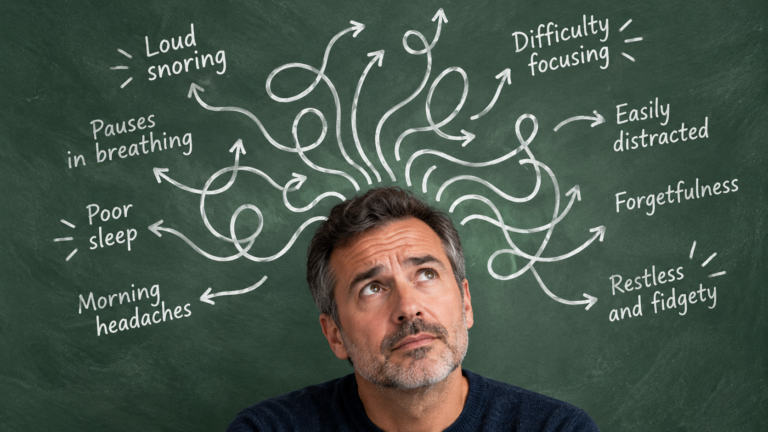
Consider talking to a healthcare professional about a sleep test if you or your partner notice:
- ☐ Loud snoring on most nights
- ☐ Snoring that stops, followed by silence, then a gasp or snort
- ☐ Pauses in breathing during sleep
- ☐ Waking up gasping or choking
- ☐ Waking up tired, even after a full night in bed
- ☐ Morning headaches or a dry mouth
- ☐ Dozing off during the day, while watching TV, reading, or driving
- ☐ Snoring that hasn’t improved after trying home fixes

Safety note:
If you feel dangerously sleepy, don’t drive or operate machinery. Talk to a healthcare professional as soon as possible.
Find out what’s happening while you sleep.
A home sleep test lets you sleep in your own bed while it records your breathing, oxygen levels, and heart rate. A physician reviews your results, and our team explains them in plain language.
Trying to Stop Someone Else From Snoring?

If you’re the one lying awake, you’re probably searching for how to stop a snorer, not how to stop snoring yourself. The tips above can help, but the most useful thing you can do is share what you’ve noticed, especially any pauses, gasps, or silence in their breathing.
Lead with concern rather than frustration, pick a calm moment to talk, and suggest taking the online sleep assessment together. For more ideas, check out our tips on getting your partner tested without starting a fight.
Getting Tested With Snore MD Is Easy
If home fixes haven’t worked, a sleep test can give you real answers. Here’s how it works:
- Take our online sleep assessment. It takes just a few minutes.
- Get referred. A doctor’s referral is required. Don’t have easy access to a family doctor? Our free online physician program connects you with a Snore MD partnered physician.
- Sleep at home. Most people can do a home sleep test in their own bed.
- Understand your results. A sleep medicine physician reviews your results, and our team explains them in plain language.
Treatment That Fits Your Life
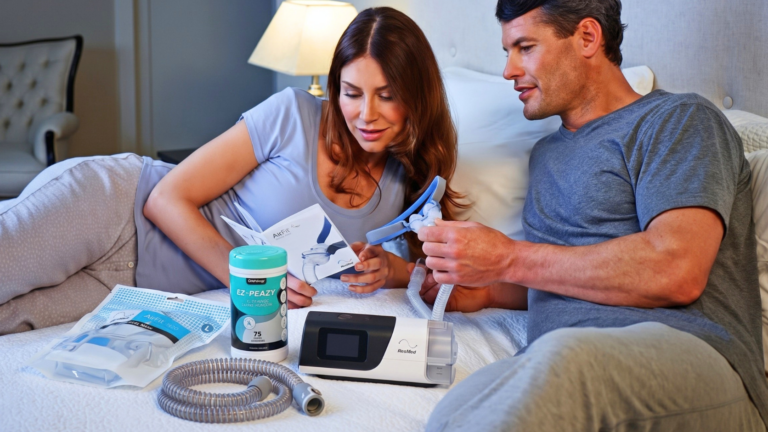
If your results show sleep apnea, our team helps you find an option that works for how you live and sleep. That might be CPAP therapy, the most common treatment for moderate to severe sleep apnea, or an oral appliance for some people with milder sleep apnea, depending on your results and your physician’s recommendation.
Our team also helps coordinate with your insurance provider, and through our Care For Life program, support continues long after your first appointment, with follow-ups, mask fittings, supplies, and adjustments.
Weighing your options? See CPAP vs. oral appliance therapy.
There’s a Snore MD clinic near you.
With clinics across British Columbia and Alberta, help is likely closer than you think.
Stop Guessing. Start Sleeping Better.
Snoring is common, and for many people, a few simple changes can make a real difference. But if your snoring is loud, happens most nights, or comes with breathing pauses or constant tiredness, it’s worth finding out whether sleep apnea is part of the picture.
You don’t have to keep trying fix after fix. A few minutes online can be the first step toward quieter nights and more energy during the day.
Find out what’s really behind your snoring.
→ Take our online sleep assessment | Learn about our Home Sleep Test | Find a Clinic in BC or Alberta
Frequently Asked Questions
Try sleeping on your side, raising the head of your bed slightly, limiting alcohol before bed, easing nasal congestion, keeping a regular sleep schedule, and maintaining a healthy weight. If snoring continues, especially with breathing pauses or tiredness, consider a sleep test.
Loud snoring usually happens when your airway is narrowed during sleep, causing tissues to vibrate more. Sleeping position, alcohol, congestion, and weight can all play a role. Loud snoring on most nights can also be a sign of sleep apnea.
Some devices, like nasal strips or positional pillows, may help with certain types of snoring. But a device that makes snoring quieter doesn’t necessarily mean your breathing is normal. If you might have sleep apnea, a sleep test is the best next step.
Some mouthguards may reduce snoring, but store-bought versions vary in fit and comfort. Custom oral appliances fitted by a qualified professional can be an option for snoring and some cases of milder sleep apnea, after a proper assessment.
Snoring may be a sign of sleep apnea when it’s loud, happens most nights, or is interrupted by silence followed by gasping or choking. Daytime sleepiness, morning headaches, and waking up unrefreshed are also warning signs.
Share what you’ve noticed, especially any breathing pauses or gasps, and suggest simple changes like side sleeping and limiting alcohol before bed. If the snoring continues or comes with warning signs, encourage them to take an online sleep assessment.
Yes, a doctor’s referral is required. If you don’t have easy access to a family doctor, Snore MD’s free online physician program can connect you with a partnered physician to help you get started.
Ready to Find Out What’s Behind Your Snoring?
Start with a quick online sleep assessment. It only takes a few minutes.