How Sleep Apnea Can Affect Your Blood Pressure
You’re doing the right things.
Eating well.
Staying active.
Trying to take care of your health.
But your blood pressure still isn’t improving.
And you still feel… off.
Tired. Low energy. Not quite yourself.
So you assume:
👉 It’s just part of getting older
👉 I need to try harder
👉 It’s just stress
But what if there’s another factor being overlooked?
Can Sleep Apnea Cause High Blood Pressure?
Yes! Sleep apnea is a common but often missed cause of high blood pressure.
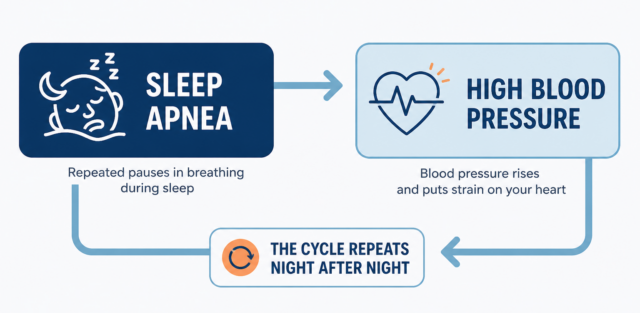
Sleep apnea can contribute to high blood pressure by repeatedly interrupting breathing during sleep, lowering oxygen levels, and triggering stress responses that raise blood pressure overnight.
These interruptions can happen dozens—or even hundreds—of times per night.
And most people don’t realize it’s happening.
👉 Learn more about the condition on our Sleep Apnea & Risks page
Who This Article Is For
This may be worth looking into if you:
If this sounds familiar, your sleep may be playing a bigger role than you think.
How Sleep Apnea Affects Blood Pressure
When breathing is disrupted during sleep, your body reacts immediately.
Here’s what happens:
- Breathing pauses
- Oxygen levels drop
- Stress hormones increase
- Heart rate rises
- Blood pressure spikes
This cycle can repeat throughout the night. Over time, it can make blood pressure harder to manage—even if you’re doing everything else right.
Learn more about High Blood Pressure here.
Why This Matters for Heart Health
High blood pressure isn’t just a number—it puts strain on your body. When sleep apnea is involved:
- Blood pressure may be harder to control
- The heart experiences repeated overnight stress
- Long-term cardiovascular risk may increase
Sleep is one piece of the puzzle, not a replacement for medical care (but it’s often an overlooked one).
Signs Your Blood Pressure Issues May Be Sleep-Related
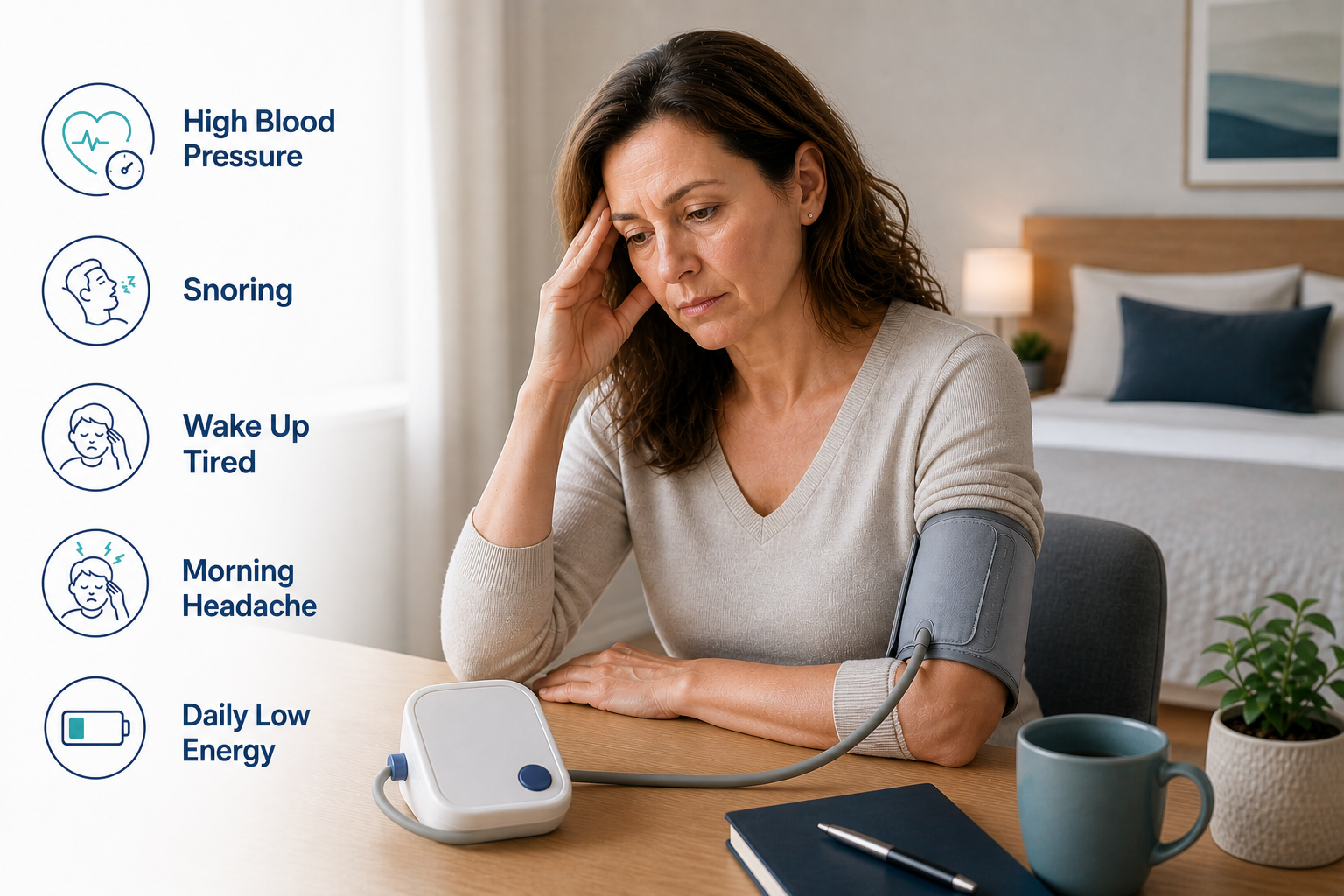
You may want to look closer at your sleep if you:
- Have high blood pressure that isn’t improving
- Snore loudly or regularly
- Wake up feeling tired
- Experience morning headaches
- Feel fatigued throughout the day
These signs are often dismissed—but together, they can point to disrupted sleep.
When to Consider a Sleep Test

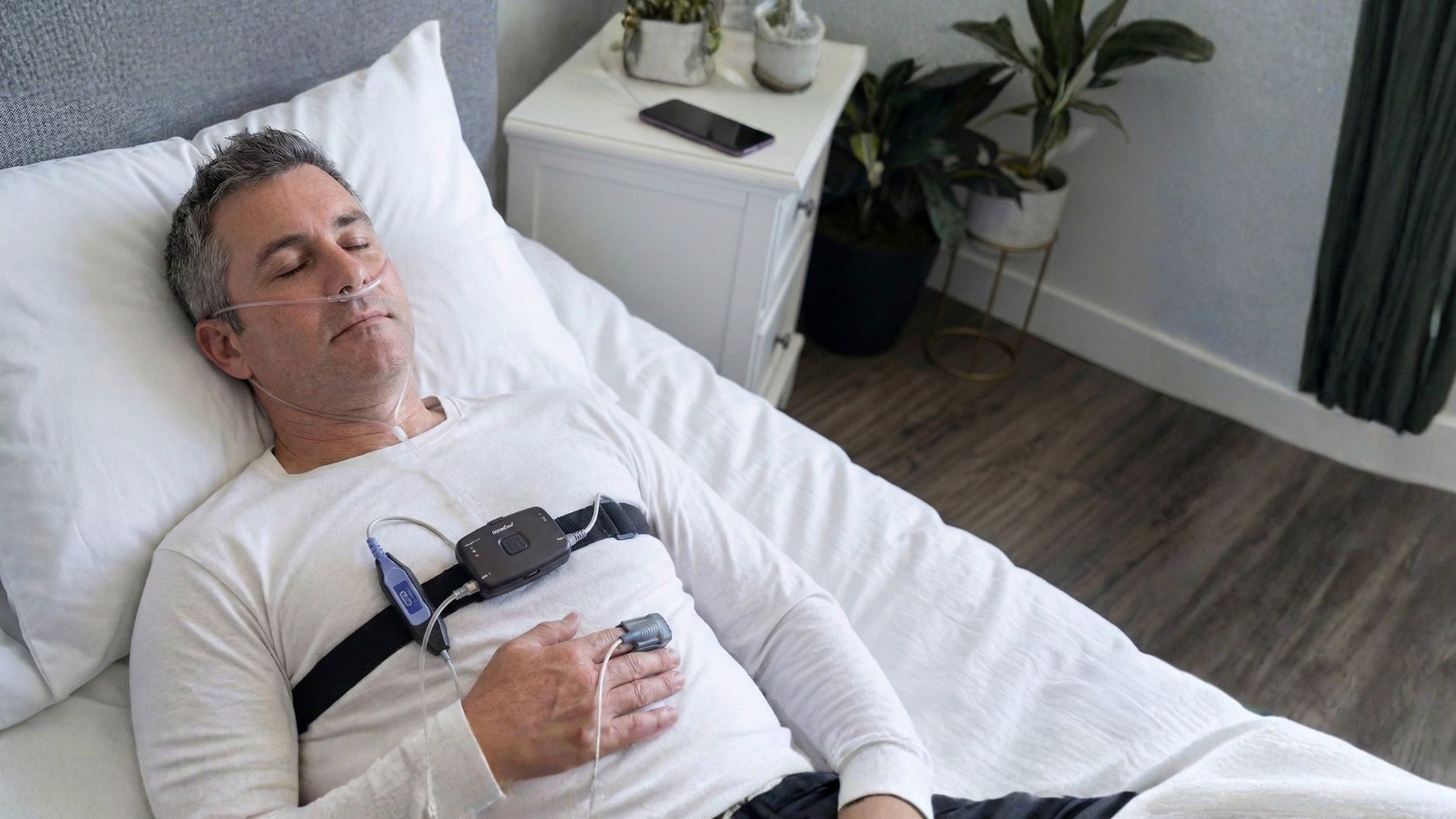
If your blood pressure remains difficult to manage—especially alongside fatigue or snoring—it may be worth evaluating your sleep. A sleep test can help determine whether sleep apnea is a contributing factor. In many cases, testing can be done at home and is simple to complete.
How Treatment Can Help
If sleep apnea is part of the issue, treatment can make a meaningful difference. Sleep Apnea treatment can:
- Support more consistent breathing during sleep
- Reduce nighttime strain
- Improve daytime energy and well-being
- help identify whether sleep is contributing to blood pressure issues
Many patients also report feeling more rested and clear-headed during the day.
Read the stories from our patients on how sleep apnea treatment changed their lives.
What You Can Do Next
If your blood pressure isn’t improving and something still feels off— It may be time to look at your sleep.
Snore MD has over 30 clinics across British Columbia and Alberta, making it easy to get assessed and understand your next steps.
FAQ
Can sleep apnea cause high blood pressure?
Yes. Sleep apnea can lead to repeated drops in oxygen levels during sleep, which may increase blood pressure over time.
How does sleep apnea affect the heart?
It places stress on the cardiovascular system by increasing heart rate and blood pressure during repeated breathing interruptions.
Why is my blood pressure high even if I’m healthy?
Sleep quality is often overlooked. Conditions like sleep apnea may contribute even when lifestyle factors are well managed.
Does treating sleep apnea help lower blood pressure?
In many cases, yes. Treating sleep apnea can reduce nighttime stress on the body and support more stable blood pressure.
What are the signs that sleep apnea is affecting my health?
Snoring, fatigue, morning headaches, and waking up unrested are common indicators.
When should I get tested for sleep apnea?
If high blood pressure persists alongside sleep-related symptoms, a sleep test can help identify the cause.
👉 Read more on our full FAQ page
Final Thought
If you’re doing everything right but your blood pressure still isn’t improving, it might not be what you think.
Sometimes, the missing piece isn’t more effort: It’s better sleep.