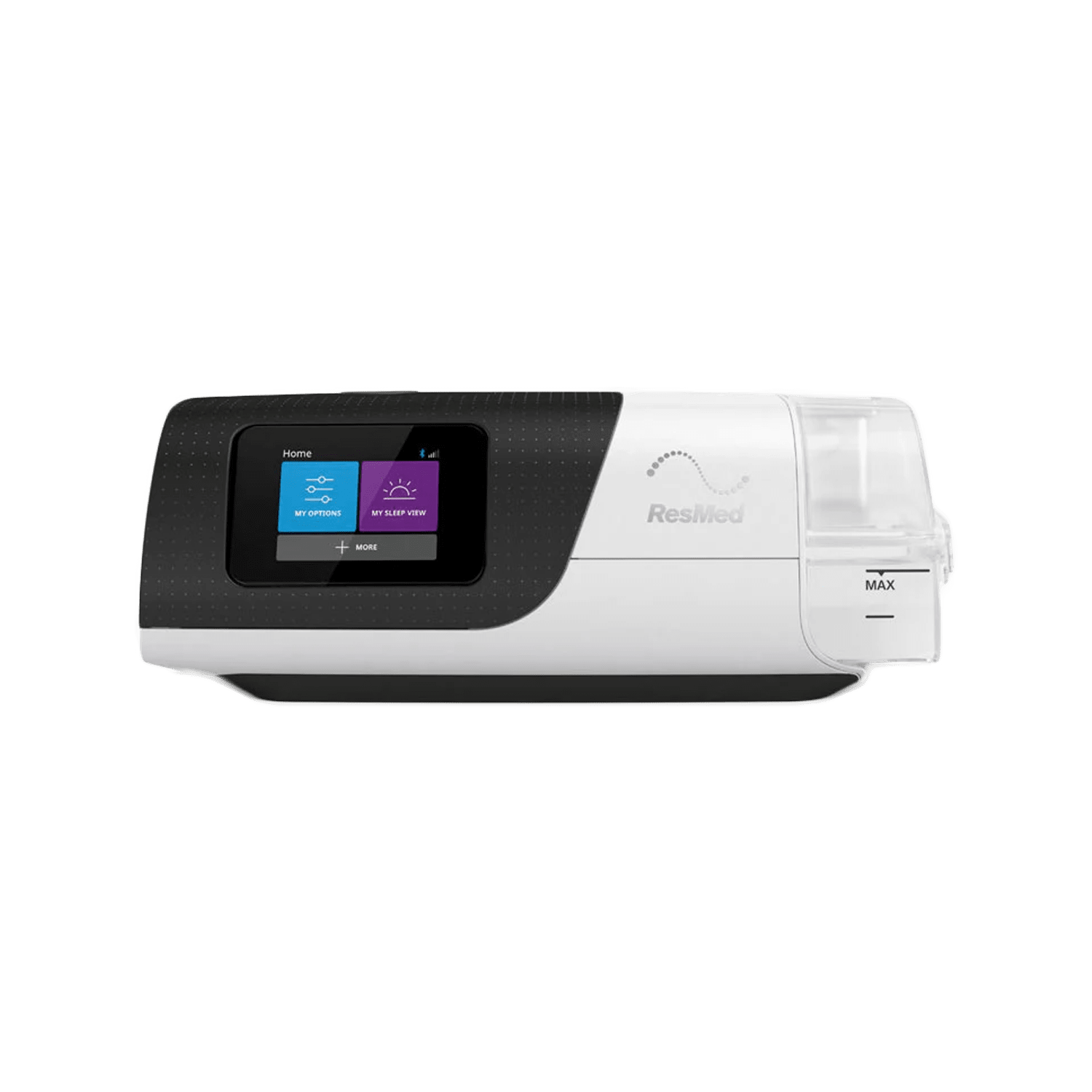
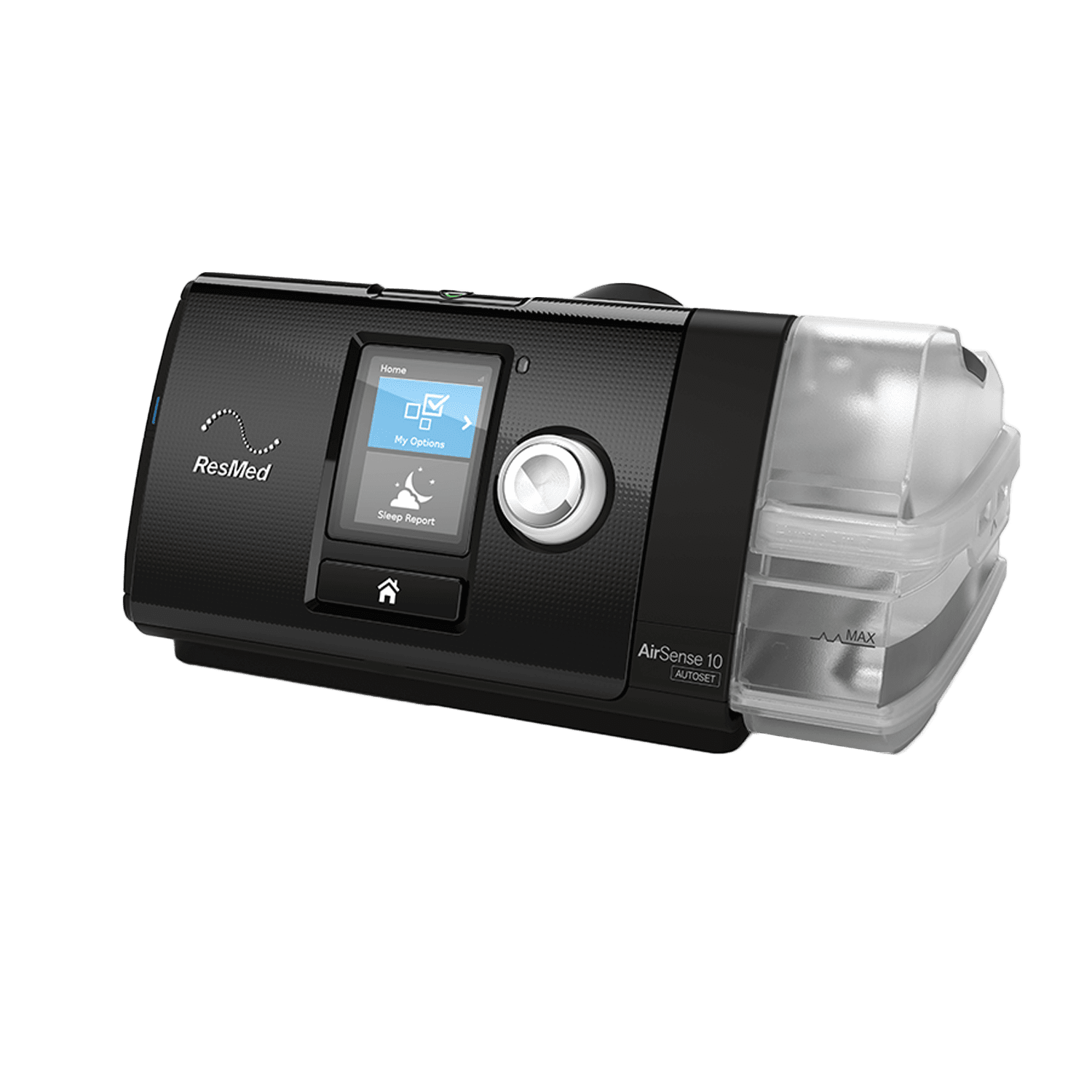
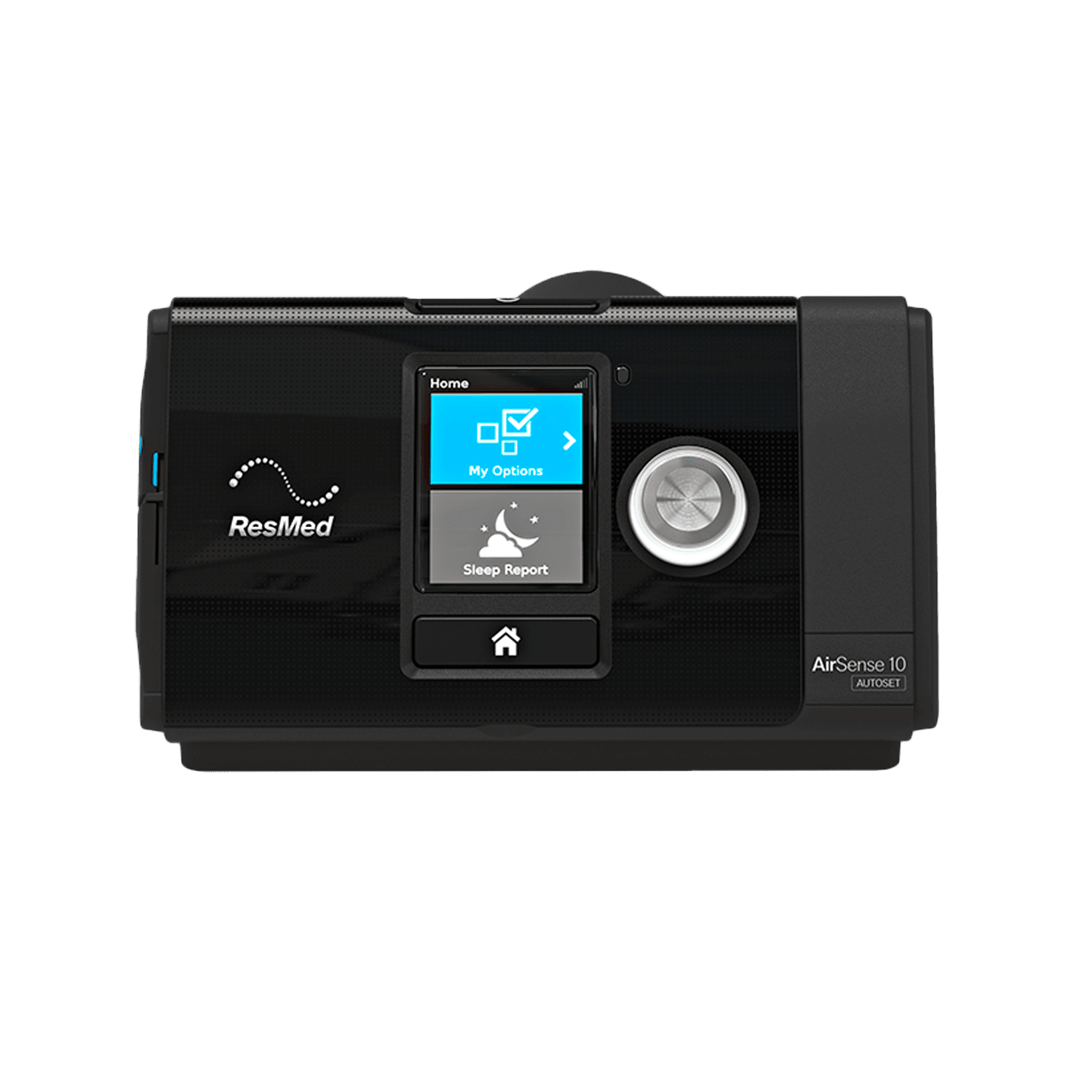
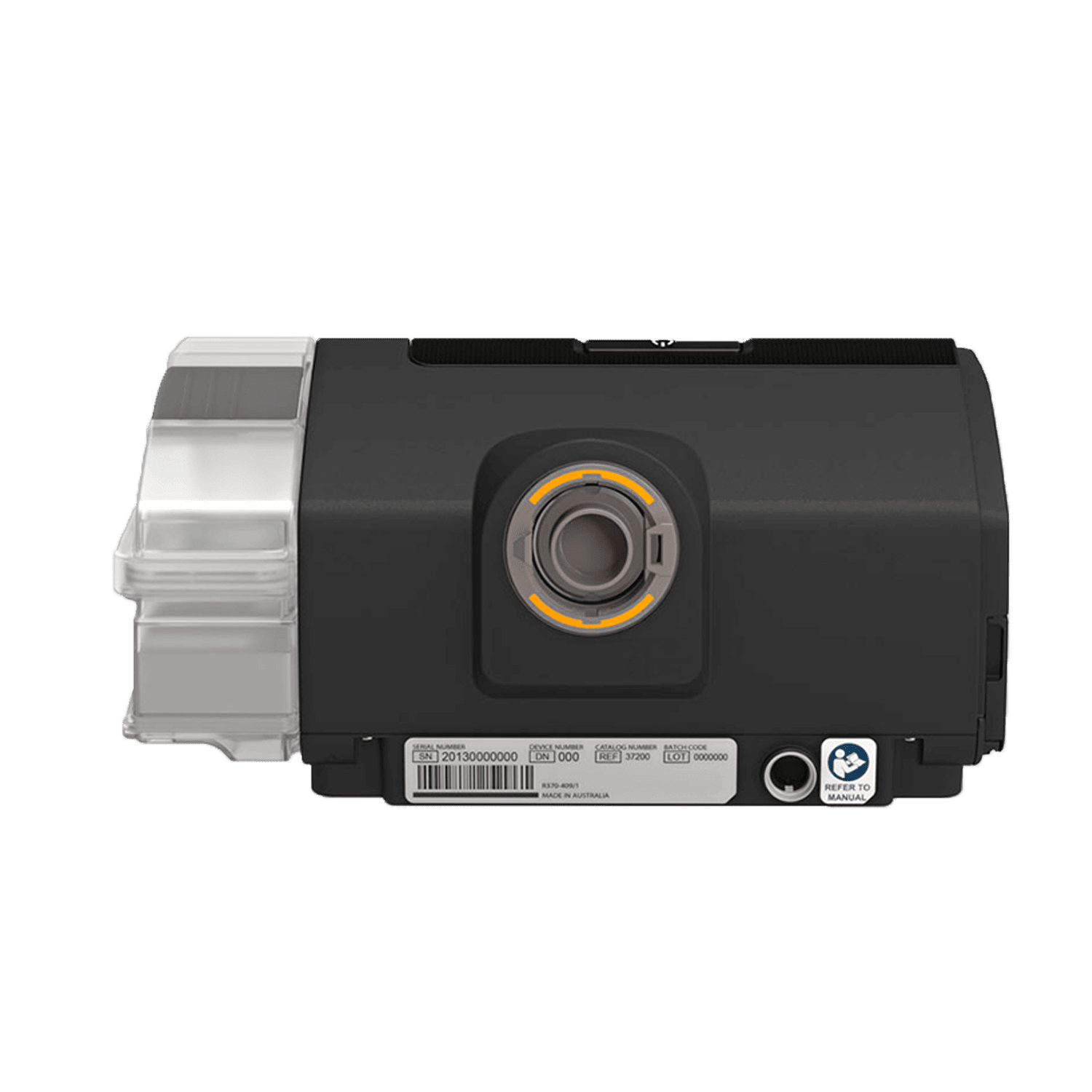

AirSense 10 AutoSet Frequently Asked Questions
The average lifespan of a CPAP machine is 3 to 5 years, and insurance usually covers the cost of first-time and upgrade product purchases. Great news! Insurance often covers between 80% and 100% of any costs incurred. To learn more and find out about insurance coverage, call our patient care line at 1.833.766.7363.
There are no costs at Snore MD for ongoing patient care, it is Part of our Legendary Care For Life!
You will need to regularly replace your Airsense filters and masks. Great news! Insurance often covers between 80% and 100% of any costs incurred.
All our CPAPs have warranties provided by Snore MD, and most are valid for three years. We also offer an exclusive low-cost add-on of two years, to bring the Airsense machine warranty to a total of five years.
The effects of a good night's sleep are immediate. Within a few weeks, you will notice changes which may include waking up less during the night, more energy during the day, or less snoring.
All of our CPAP devices connect remotely to our system, so we always have the latest information about your sleep at hand. During regular no charge remote follow-up appointments, we will review your sleep data, explain what it means, answer any questions you may have, and advise on any changes to your sleep health plan.
Care For Life is included with this AIRSENSE CPAP purchase
All masks Snore MD carries are compatible with the Airsense unit.
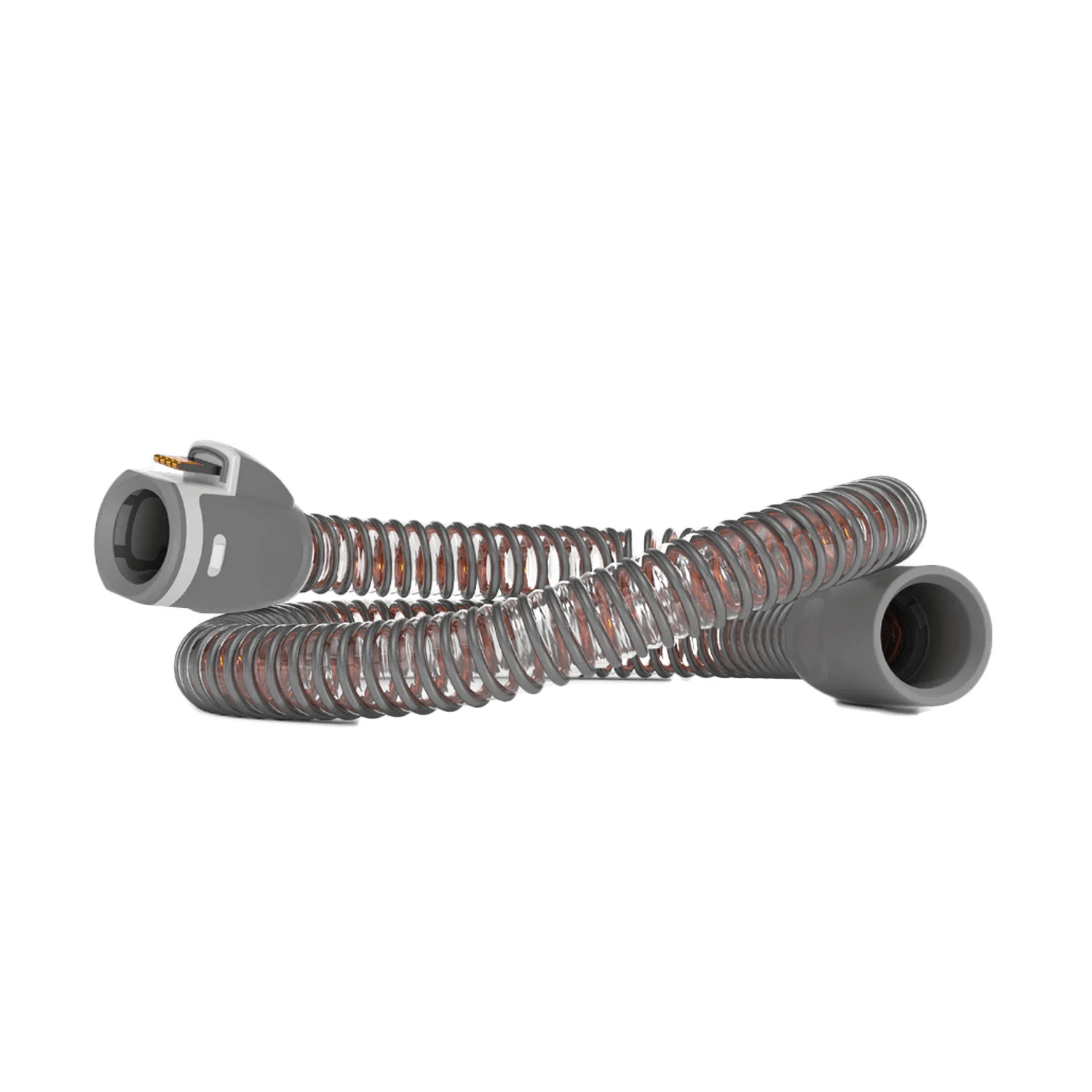
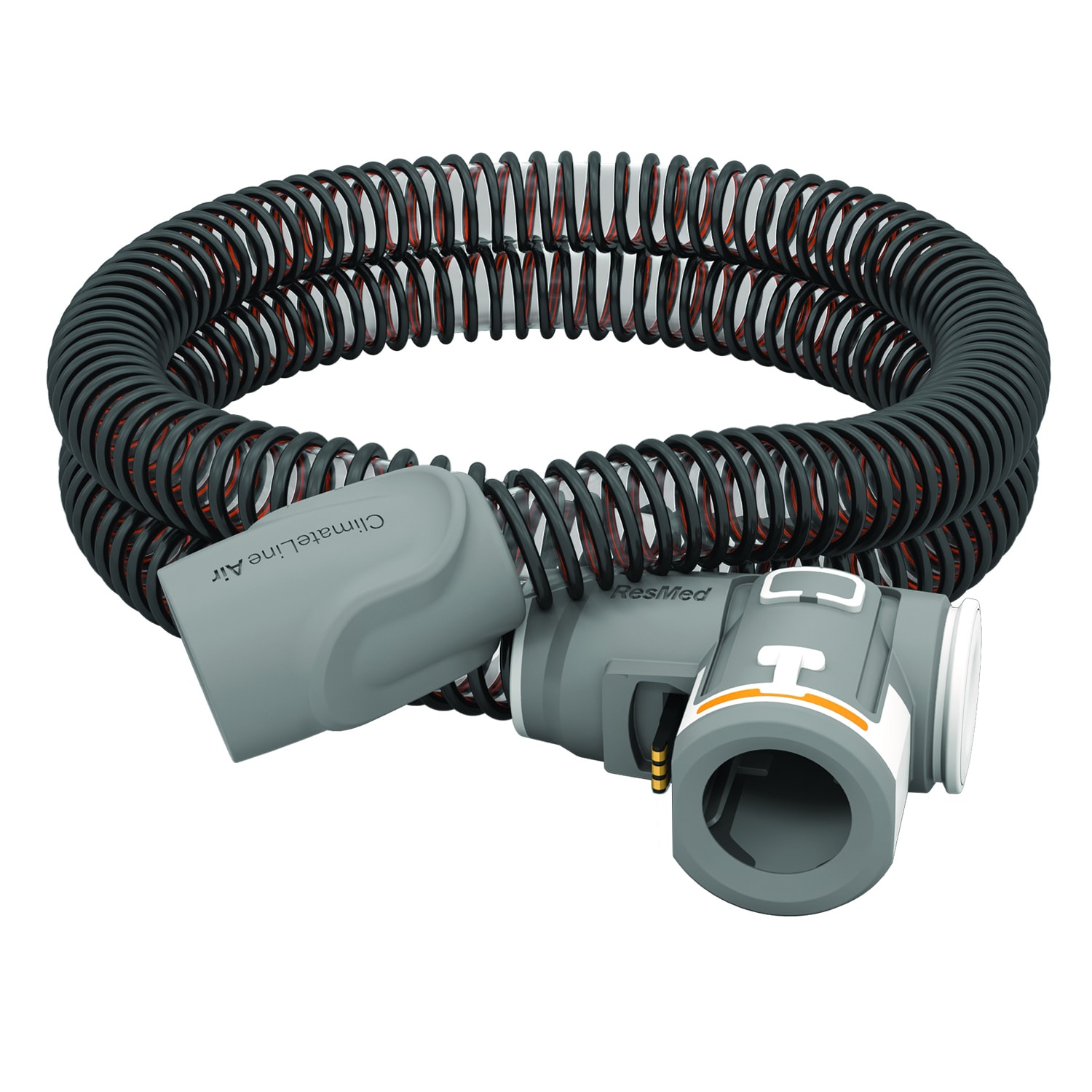
It’s important to regularly inspect, clean and replace your CPAP supplies which can be affected by dirt and general wear. You should regularly check the water tub, air tubing and the air filter for any wear or damage.
Here are some replacement tips for your CPAP parts:
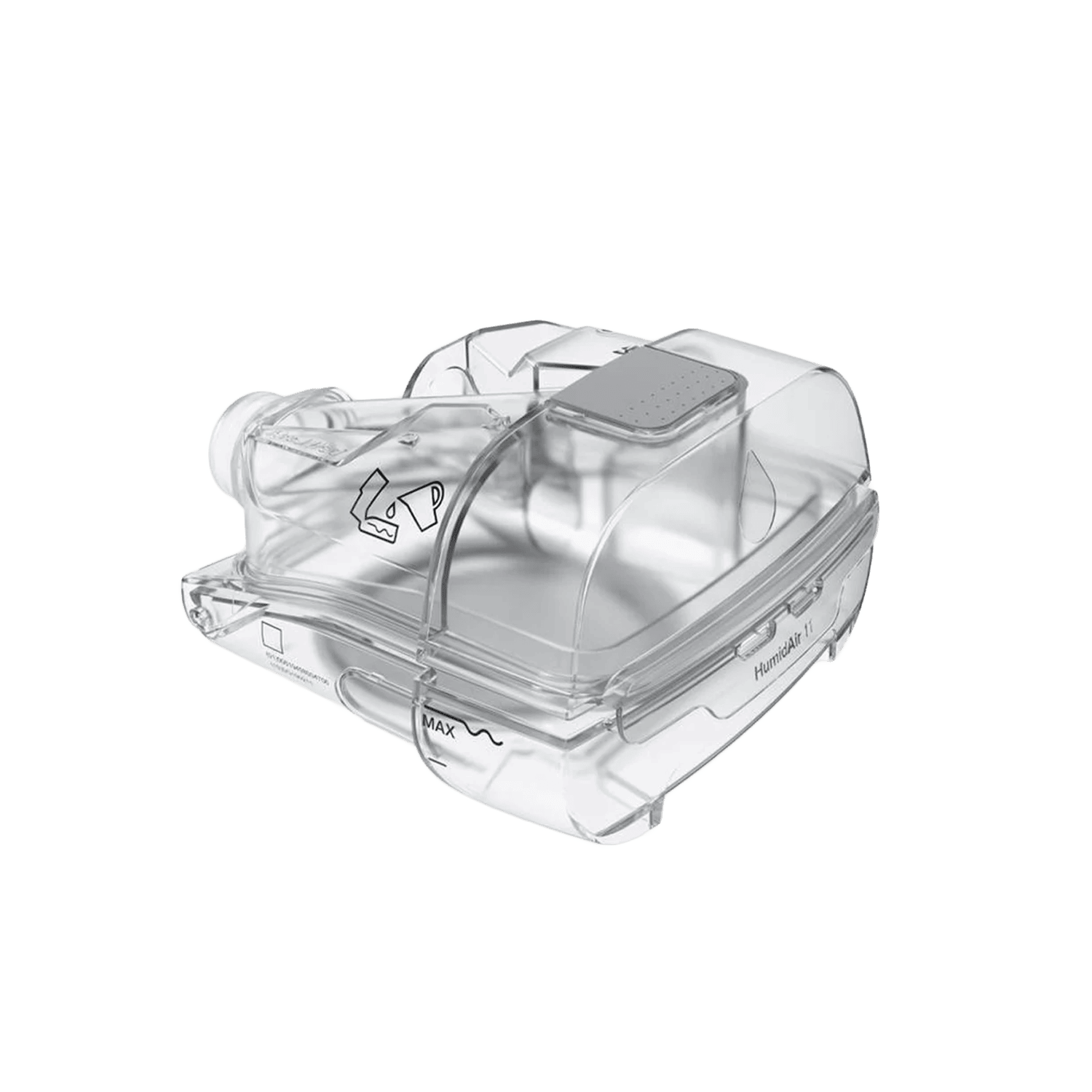
Water tub:Replace if it begins leaking or has become cracked, cloudy or pitted.
Replace if the seal is cracked or torn.
Regular Replacement suggested every 6 months
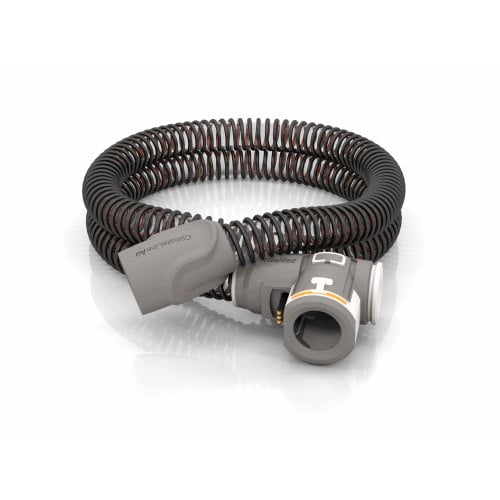
Air tubing:
Replace if there are any holes, tears or cracks.
Regular Replacement suggested every 6 months
Air filter:
CPAP device air filters can wear out or become clogged over time, potentially exposing you to airborne particles, mold and bacteria. We recommend checking them twice per month.